Home
Explore
Notifs
Profile

Black-owned · Built for the global diaspora · Curated pins from Black and melanated creators across hair, style, beauty, home, and art.

Formerly Melaninterest.com

m
melanin
AboutHelpTermsPrivacyCommunity GuidelinesCreators

© 2026 Melanin. All rights reserved.

Mmelanin
HomeExploreCreatorsNewsCreate
Ctrl+K
Log inSign up
Mmelanin
HomeExploreCreatorsNewsCreate
Ctrl+K
Log inSign up
Yosemite's No-Reservation Policy Leads to 'Disneyland' Crowds — Melanin News | Melanin
Mmelanin
HomeExploreCreatorsNewsCreate
Ctrl+K
Log inSign up
All news
Yosemite's No-Reservation Policy Leads to 'Disneyland' CrowdsCulture

Yosemite's No-Reservation Policy Leads to 'Disneyland' Crowds

1w ago

Yosemite National Park, a jewel of American wilderness, is currently grappling with an unprecedented surge of visitors. A recent policy shift by the National Park Service has transformed its serene landscapes into a bustling hub, prompting many to compare the experience to a crowded theme park.

In February 2026, Yosemite officially scrapped its advance reservation requirements for general entry, a move intended to boost accessibility and draw more people to the iconic destination. Superintendent Ray McPadden had stated the park was "committed to visitor access, safety, and resource protection" and that data from 2025 suggested a season-wide reservation system wasn't the "most effective approach" for the coming year. The park initially planned to rely on "real-time traffic management measures," including temporary diversions and additional staff for high-use areas.
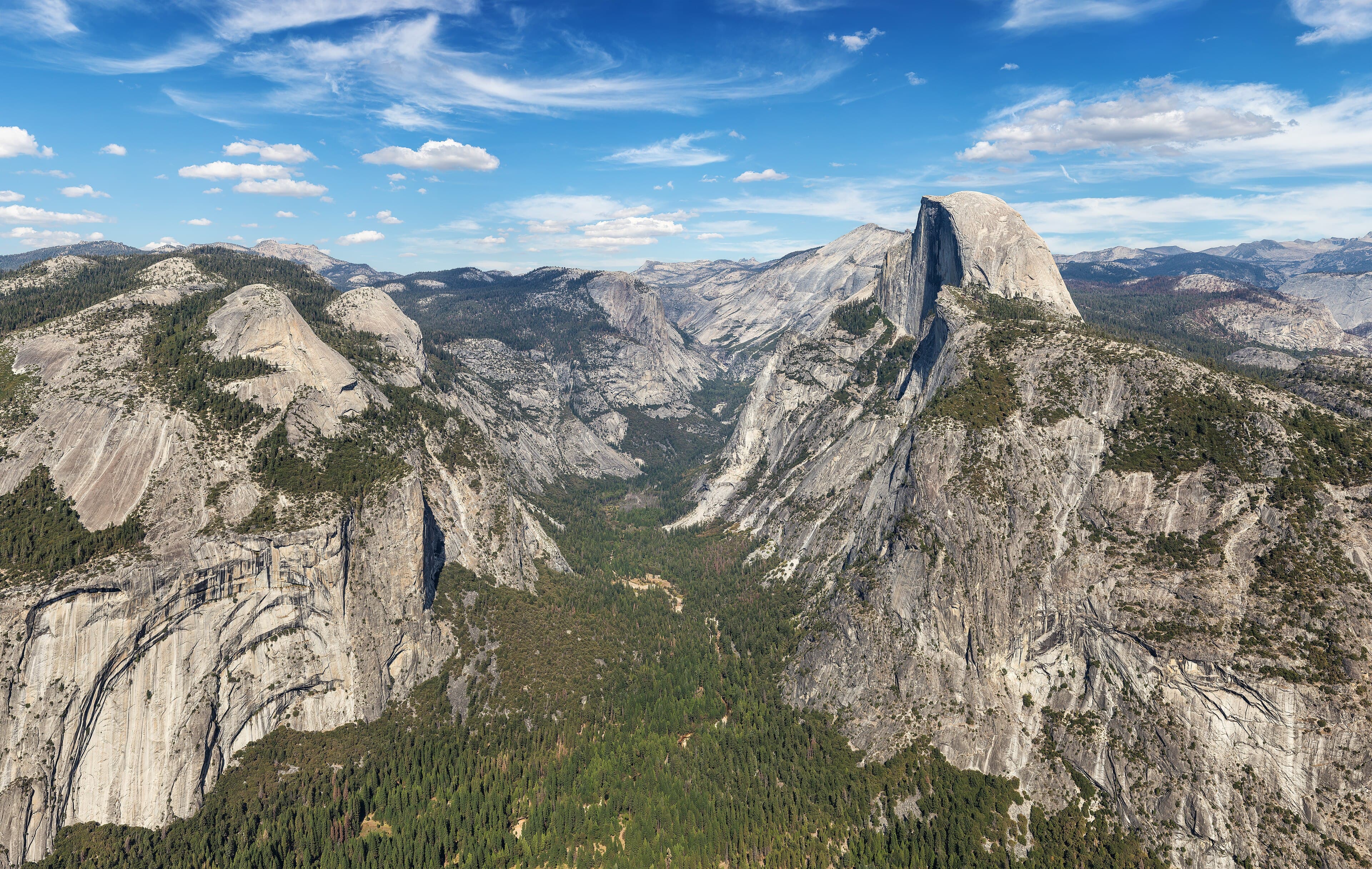
Yosemite National Park
Yosemite National Park Source

However, the consequences of this decision quickly became apparent. March 2026 saw a staggering 225,817 recreational visitors, a 45% jump from the previous year and the busiest March the park had experienced since 2016. By early May, widespread reports of severe congestion emerged, with visitors enduring hour-long waits at park entrances and parking lots in Yosemite Valley often reaching capacity by morning. The Memorial Day weekend further intensified the issue, bringing hours-long traffic jams and shuttle lines stretching endlessly. Delays of up to 90 minutes were reported at the south entrance on Highway 41.

The park's history with reservation systems provides crucial context for the current situation. Timed entry requirements were first introduced in 2020 as a measure to manage crowds during the initial phases of the COVID-19 pandemic. These systems later evolved into a tool for general congestion management. While they were paused in 2023, a pilot program had been reinstated, suggesting the park had found value in such controls.
The decision to eliminate reservations in Yosemite was not isolated. Other major national parks, including Arches, Glacier, and Mount Rainier, also made adjustments or entirely removed their reservation systems for 2026. This broader shift by the National Park Service aimed to make these natural treasures more accessible to the public, but it appears Yosemite's unique appeal and infrastructure have struggled to absorb the resulting influx.

Traffic park
Traffic park Source

Public reaction has been largely negative, with visitors expressing frustration over the difficulty of finding parking, the overwhelming congestion, and shuttle buses packed beyond comfort. Kunal Khandwala, a San Jose resident, described the shuttle service waits as "insane" after his struggle to secure a parking spot. Another visitor, quoted by environmental advocates, directly compared the experience to "spending a day at Disneyland," noting the "wall-to-wall" crowds that now define popular areas of the park.

Conservation organizations have also voiced significant alarm. John Buckley, Executive Director of the Central Sierra Environmental Resource Center, observed that "Especially on Saturdays and sometimes also on Fridays and Sundays, the amount of crowding in the Park exceeds capacity of the parking lots, results in vehicles parked inappropriately wherever they can squeeze in along roads, and results in a crammed-together visitor experience." Buckley further suggested that prioritizing business interests might have overshadowed environmental protection in this decision. Mark Rose, Senior Sierra Nevada Program Manager for the National Parks Conservation Association (NPCA), had foresightedly warned in February 2026 that "Eliminating Yosemite's seasonal reservation system will undoubtedly lead to hours-long traffic jams, damage to park resources, strain on remaining park staff, and ruined experiences for visitors." The NPCA condemned the Department of the Interior's decision, arguing it overlooked expert advice and failed to address unsustainable visitation. Conservationist and author Beth Pratt underscored this sentiment, stating, "These are the best protected places on the planet, and we cannot be managing them like an amusement park." Even U.S. Senator Alex Padilla weighed in, criticizing the decision for potentially diminishing the national park experience.

In response to the mounting criticism, an NPS spokesperson maintained that recent characterizations of overcrowding "are not an accurate characterization of current park operations." The spokesperson acknowledged that Yosemite, like other popular parks, "experiences periods of high visitation, particularly around weather-dependent events and holiday weekends," and reiterated that the policy changes were meant to "support strong visitation in 2026." They added that "America's national parks are open and accessible, and we are pleased to see strong public interest in experiencing these treasured places." Superintendent Ray McPadden reportedly holds the view that having more visitors is preferable to implementing measures that would reduce vehicles and congestion. Cassius M. Cash, President & CEO of Yosemite Conservancy, offered advice to visitors: "come prepared, be patient, and treat the park — and each other — with respect." Kevin Lilly, Acting Assistant Secretary for Fish, Wildlife and Parks, echoed the NPS's commitment to public access, stating, "Our national parks belong to the American people, and our priority is keeping them open and accessible."

The unfolding situation at Yosemite highlights a critical tension within the National Park Service's mission: balancing public access with resource protection and visitor experience. While the desire to make national parks accessible to all is laudable, the current outcome in Yosemite suggests that unbridled access without adequate management can inadvertently degrade the very experience visitors seek. The economic benefits of increased tourism must be weighed against the ecological impact and the quality of the wilderness encounter.

As the summer season progresses, all eyes will be on Yosemite to see if "real-time traffic management measures" can effectively mitigate the severe congestion and overcrowding. The park's ability to adapt to this unprecedented visitor surge, while preserving its natural integrity and ensuring a positive experience for guests, will be a significant test for the National Park Service's new approach to visitor management.