 CultureCulture
It’s a sound many have heard, and perhaps made themselves, during intimate moments. But what exactly drives those involuntary vocalizations during sex? New scientific insights suggest that moaning is far more than just a turn-on; it’s a complex interplay of brain chemistry, ancient evolutionary instincts, and learned social behaviors.
A report published on May 22, 2026, offered a deep dive into the scientific reasons behind these sounds, asserting they provide a window into human brain chemistry, patterns of breath, and the deeper, often unspoken, language of intimacy. This analysis posits that moaning isn't primarily a performance, but rather a reflection of neuroscience, rooted in the body’s chemistry, its need for communication, and its drive for connection.
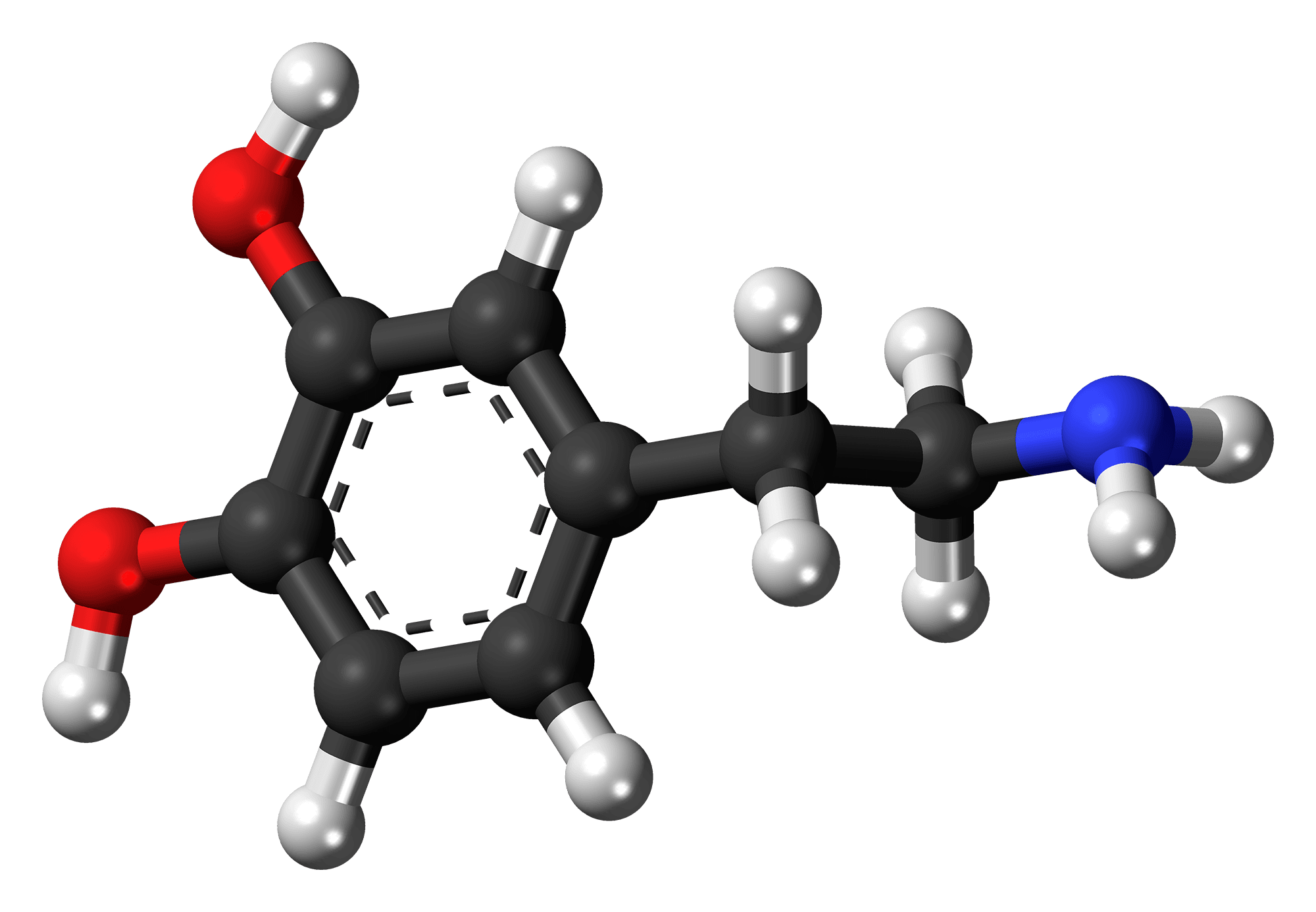
The scientific explanation often starts in the brain. When the body experiences pleasure, such as during sexual activity, the brain releases dopamine. This neurotransmitter is vital for the brain's gratification processing, as noted by the Cleveland Clinic. This flood of chemicals can then manifest physically, frequently resulting in audible sounds. Margo Badzioch, a certified intimacy and wellness coach, described moaning as an “instinctive way the body communicates with a partner,” acting as a non-verbal signal that pleasure is being experienced and should continue. She elaborated that it is “less a conscious choice than a physiological echo of enjoyment, emerging in the moment before words can catch up.”
Beyond neurological responses, these vocalizations serve a critical communicative role in sexual relationships. Badzioch pointed out that sounds can bridge the gap when words fall short or are simply unnecessary, conveying real-time feelings that language often struggles to articulate. The involuntary nature of these sounds, she suggested, amplifies their impact by signaling an authentic, unfiltered response. This idea is supported by a 2012 study in the *Journal of Social and Personal Relationships*, which found that vocal expression during sex can enhance the intimate experience between partners. Badzioch also highlighted how the vibrations generated by moaning, coupled with deliberate breathwork, can intensify physical sensation and even mimic a meditative state, drawing the mind into the body and potentially leading to a more profound climax.
Yet, the reasons for sexual vocalizations, sometimes referred to by scientists as "copulatory vocalizations," are multifaceted, extending beyond simple expressions of pleasure. Both evolutionary and psychological aspects have been explored. British primatologist Stuart Semple observed that "in a wide variety of species, females vocalize just before, during or immediately after they mate." He noted that such vocalizations are particularly common among primates and that evidence suggests "by calling, a female incites males in her group… provoking sperm competition." Primatologist Meredith Small has also contributed to our understanding of the link between sound and sex in the animal kingdom. Christopher Ryan Ph.D., author of *Sex at Dawn: How We Mate, Why We Stray, and What It Means for Modern Relationships*, proposed that human female vocalizations might similarly function as a call to nearby males. This evolutionary perspective suggests a deep-seated biological origin for these sounds, potentially signaling health, fertility, and even ovulatory cycle to prospective partners.

Conversely, psychological and social elements also play a significant role. A 2011 study conducted by Gayle Brewer of the University of Central Lancashire and Colin Hendrie of the University of Leeds, published in the *Archives of Sexual Behavior*, investigated why women make noises during sex. Their findings, based on a survey of 71 sexually active heterosexual women, indicated that many women vocalized not necessarily during their own orgasm, but often to influence their partner's experience. Specifically, 66 percent of respondents reported moaning "just to speed up their partner's orgasm," while 87 percent admitted to moaning "to pretend they are reaching their peak." The study noted that "while female orgasms were most commonly experienced during foreplay, copulatory vocalizations were reported to be made most often before and simultaneously with male ejaculation." Women in the study also reported making noise to alleviate boredom, fatigue, or discomfort during sex. Kristen Mark, a sexuality researcher at Indiana University, commented on how media influences these perceptions, stating, “we're bombarded with images through mainstream media that tell us moaning is associated with orgasm and sexual pleasure.” This cultural conditioning, reinforced by depictions in popular films and pornography, can lead individuals to believe that moaning is an expected part of sexual performance.
Despite these varied findings, the true purpose and authenticity of sexual vocalizations remain a subject of ongoing research. While some vocalizations may indeed be strategic or performative, others are undeniably spontaneous expressions of genuine pleasure. Nicole Buratti, a sex and relationship coach, affirmed that “women moan during sex to communicate to their partners they're enjoying what they are doing,” describing it as a “pleasure-filled response that a partner is doing all of the right things.” She also acknowledged that it is “often an involuntary response to all that physical exertion.” Dr. Nikki Goldstein, a sexologist and relationship expert, noted that vocalizations can be a “great way to have some more fun and really express to your partner how good it feels,” adding that hearing a partner express pleasure can, in turn, heighten a partner's arousal.
More recent research continues to shed light on this intricate topic. A 2024 study titled "Why do people make noises in bed?" from Lund University's Division of Cognitive Science in Sweden, analyzed over 30 hours of authentic sexual vocalizations. This research found that both men and women make noises during sex, with vocalizations becoming “longer, louder, higher-pitched, voiced, and unpredictable at orgasm in both men and women,” suggesting a loss of volitional control at peak arousal. The researchers ultimately concluded that human sexual vocalizations likely encompass both consciously controlled and spontaneous moans of pleasure, perhaps best understood as “sounds of liking rather than signals specific to copulation.” The complex story of moaning during sex continues to unfold, revealing it as a deeply ingrained, multifaceted aspect of human intimacy and biology.