 Sports
Unsold Tickets for US World Cup Opener Raise FIFA Concerns
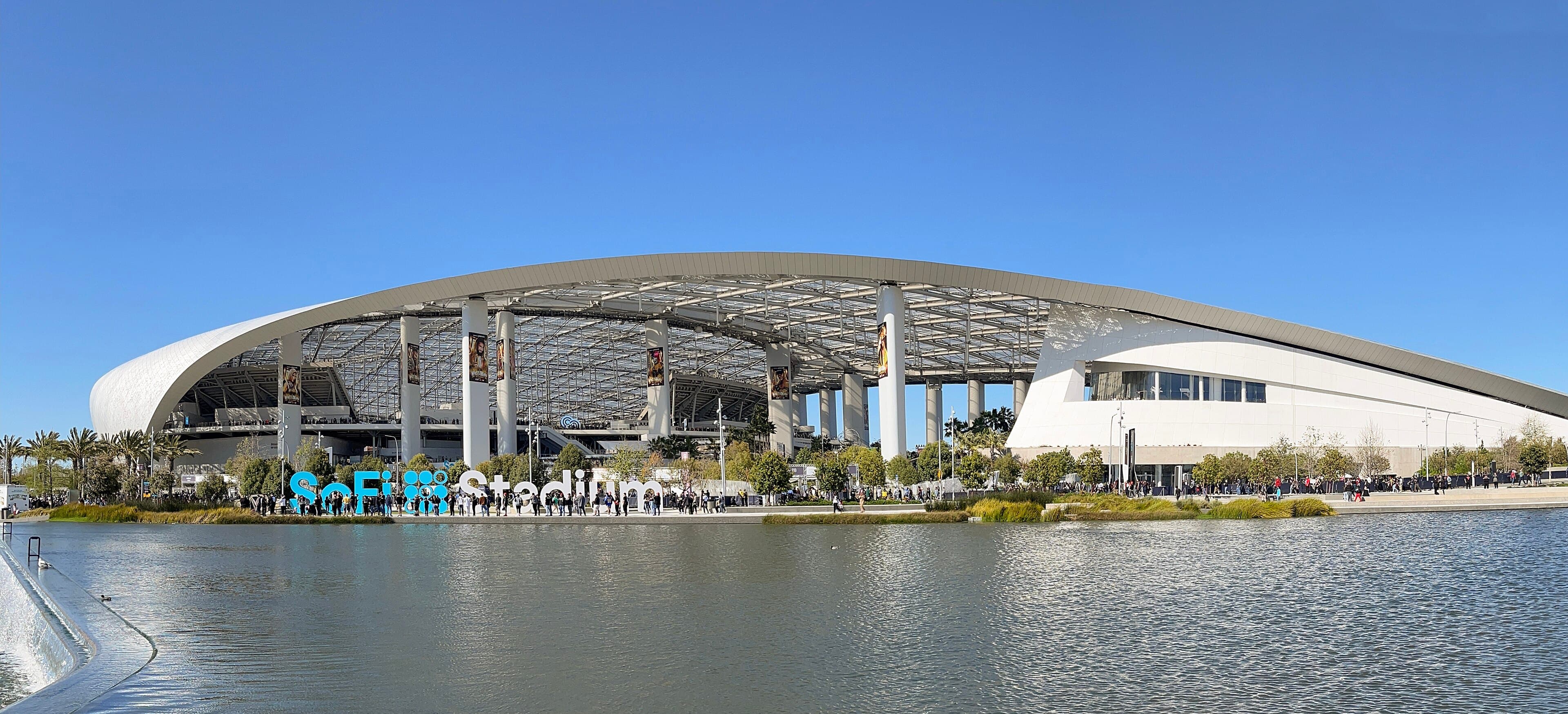
The 2026 FIFA World Cup is still two years away, but an early warning sign has emerged regarding ticket sales for a crucial match. Over 3,500 tickets for the United States men's national team's opening game against Paraguay at SoFi Stadium, near Los Angeles, reportedly remained unsold as of Thursday evening, just two weeks out from the June 12, 2026 kickoff.
This specific figure, surfacing well in advance of the tournament, has brought into focus a long-standing concern for FIFA: the challenge of fully captivating the American sports market. The organization has ambitious plans for the 2026 World Cup, which is set to be co-hosted by the United States, Canada, and Mexico. The tournament will feature an expanded format, growing to 48 teams and a record 104 matches, with the majority of those games, including the final, slated for US venues like MetLife Stadium in East Rutherford, New Jersey.
FIFA's primary objective in bringing the global spectacle to North America, particularly the United States, is to significantly boost the sport's popularity and commercial footprint in a lucrative market. Projections indicate the 2026 tournament could generate an unprecedented $11 billion in revenue, a figure partly underpinned by the expanded format and the anticipated financial success in the US. However, a less-than-stellar demand for tickets, especially for an opening match involving the host nation's team, could complicate these lofty financial and growth targets.
The selection of SoFi Stadium, a state-of-the-art venue known for hosting major events like the Super Bowl, was part of a broader strategy to utilize modern, large-capacity stadiums across the host cities. SoFi Stadium itself can accommodate over 70,000 spectators for soccer matches. The reported number of unsold tickets for a USMNT game, even with a considerable lead time, could be interpreted as a potential indicator of softer demand than FIFA might have hoped for, especially given the typical enthusiasm surrounding World Cup openers.
The broader context for this situation involves the ongoing effort to convert casual American sports fans into dedicated soccer enthusiasts. While leagues like Major League Soccer (MLS) have seen growth, and international tournaments attract significant viewership, a consistent, widespread passion for the sport comparable to other global markets remains a goal. The United States previously hosted the FIFA World Cup in 1994, a tournament that was financially successful but prompted discussions about its long-term impact on soccer's mainstream appeal in the country.

For the 2026 tournament, FIFA aims to leave a more profound and sustained legacy. Strong attendance, particularly for games involving the US men's national team, is considered crucial to achieving this. While specific statements from FIFA officials directly addressing the unsold tickets for the USMNT vs. Paraguay match have not been widely publicized, the underlying concern regarding attendance and engagement in the US market has been a consistent theme in discussions surrounding the 2026 World Cup. No specific individuals or organizations, beyond FIFA itself, have been named in direct reaction to these particular ticket sales figures in publicly available information.
This emerging situation could be seen as an early litmus test for the market's enthusiasm. It may also serve as a potential harbinger of broader attendance trends for the tournament in the United States. The success of the 2026 World Cup hinges not only on its expanded format and record matches but critically on the ability to fill stadiums and generate a palpable excitement among the host nation's populace. The coming months will reveal whether this early concern about ticket sales is an anomaly or a sign of deeper challenges ahead for FIFA's grand North American ambitions.