 Culture
Texas Storms Ground DFW: Hundreds of Flights Canceled
North Texas skies turned chaotic on Tuesday, May 19, 2026, as severe thunderstorms unleashed widespread disruptions across the region's major airports. Hundreds of flights were grounded or delayed, leaving thousands of travelers scrambling.
The Federal Aviation Administration (FAA) issued a ground stop at Dallas-Fort Worth International Airport (DFW) in response to the hazardous conditions, which included heavy rain, lightning, and reduced visibility. This critical measure effectively halted incoming flights and significantly reduced departures. By 11:30 a.m. local time, flight tracking data showed more than 300 cancellations at DFW alone, with average delays for operational flights stretching to approximately 45 minutes. The ground stop was ordered to remain in effect until at least noon, impacting a crucial travel window.
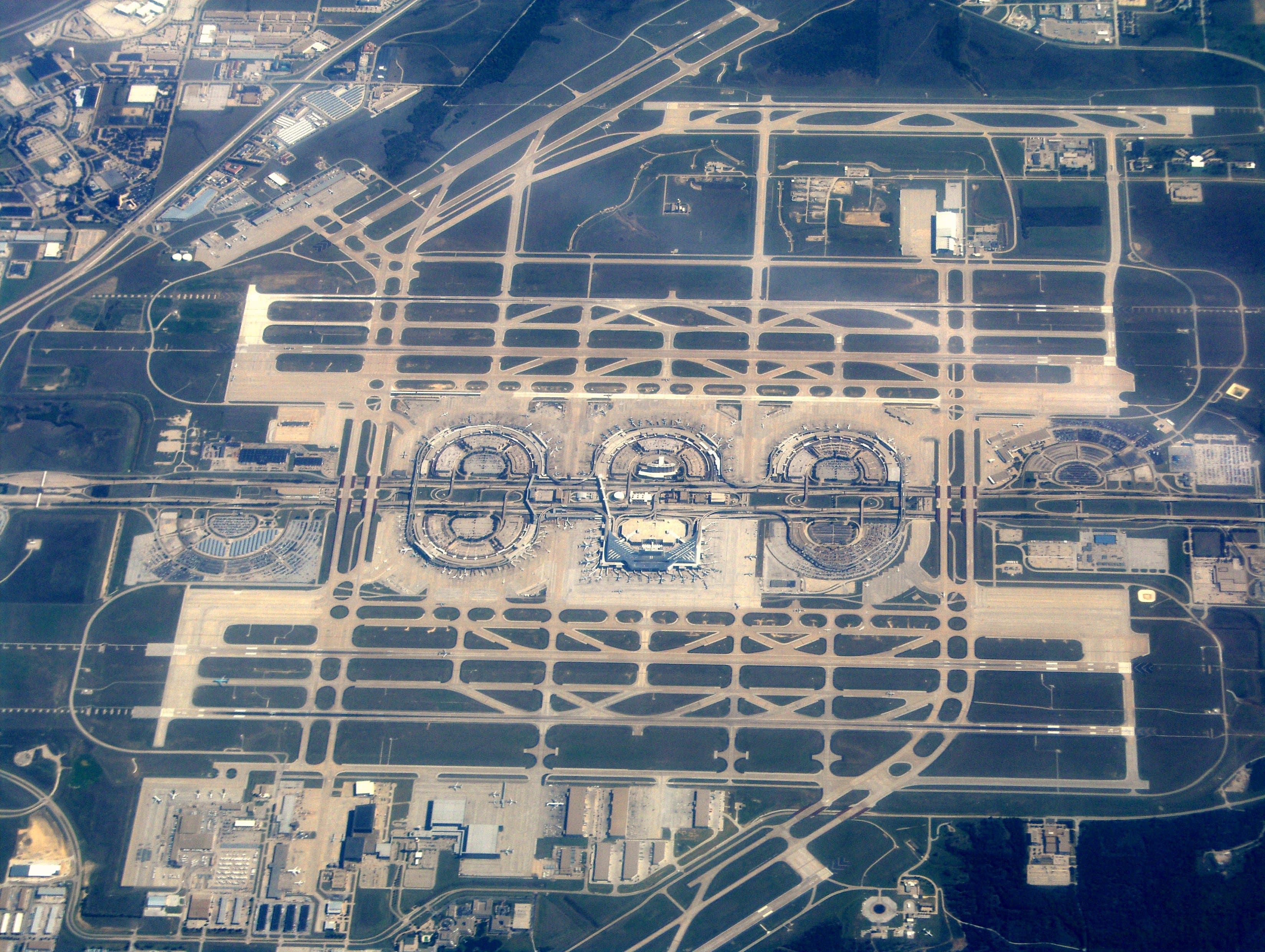
Dallas Love Field Airport also felt the storm's wrath, experiencing its own set of challenges. The FAA implemented a separate departure delay program for Love Field, leading to 55 cancellations and nearly 90 additional delays, with average wait times around 30 minutes. Major carriers like American Airlines, which operates its largest hub out of DFW, bore a substantial share of the cancellations. Other airlines, including United Airlines and Delta Air Lines, also faced considerable operational hurdles, working to rebook passengers and reposition crews.
The disruptions on May 19 underscored the critical role DFW plays in the national air travel network. As one of the busiest airports in the United States, and a primary hub for American Airlines, issues at DFW often create ripple effects that extend across the country, impacting schedules and seat availability for days. Ground stops are standard FAA traffic management tools, essential for ensuring safety by maintaining safe aircraft separation and protecting ground crews during adverse weather conditions.
This incident was not an isolated event but rather contributed to what has been a challenging spring for U.S. airline passengers. Just two days prior, on Sunday, May 17, 2026, tracking data indicated 385 delayed flights and eight cancellations across Houston's George Bush Intercontinental and William P. Hobby airports, as well as San Antonio International Airport, due to similar weather patterns.

Earlier in the month, on May 11, 2026, DFW International Airport experienced what analysts described as an "operational collapse." That event saw 617 delays and between 20 and 232 cancellations, also attributed to severe Texas thunderstorms and a phenomenon termed "Day 41 network depletion," which points to exhausted crew and aircraft positioning reserves from prolonged disruptions. The May 11 incident involved a ground stop lasting approximately nine hours, followed by a second ground stop due to high traffic volume as the airport struggled to manage a backlog of diverted flights. American Airlines was again the most affected carrier during that earlier disruption.
Previous years also saw similar weather-related issues. On March 2, 2023, DFW canceled 309 flights in anticipation of strong thunderstorms and hail in North Texas, leading American Airlines and Southwest Airlines to issue travel warnings and waivers. More recently, on May 22, 2024, severe storms caused over 300 flight delays and at least 188 cancellations at DFW, highlighting a recurring pattern of weather-induced travel chaos in the region.
The National Weather Service Fort Worth Office had been tracking a cold front traversing North and Central Texas, forecasting the potential for large hail and damaging winds. A public statement from the office confirmed the ongoing weather event: "A line of thunderstorms along a cold front will push from north to south across North and Central Texas through the day Tuesday." This alert provided crucial context for the FAA's decision to implement the ground stops and delay programs.
The cascading effect of these cancellations extends far beyond North Texas. Even brief ground stops can leave aircraft and crews out of position across multiple time zones, forcing airlines to cancel subsequent departures and disrupting intricate flight networks. Passengers face rebooking challenges, extended waits, and missed connections, underscoring the delicate balance required to maintain a functioning air travel system. The financial and logistical burdens on airlines are also significant, as they scramble to adjust timetables and manage displaced resources.
As North Texas continues to navigate its unpredictable spring weather, the May 19, 2026, ground stop serves as a stark reminder of how quickly even a localized storm can ripple through the entire national air travel infrastructure. Travelers are advised to stay vigilant and check flight statuses, as airlines work to recover from these significant disruptions and prepare for any further weather-related challenges.