CultureGamers looking to get their hands on a Steam Deck OLED are now facing substantially higher price tags. Valve, the developer behind the highly-regarded handheld gaming PC, announced major price increases for its devices on May 27, 2026, pointing to a global surge in memory and storage component costs.
The 512GB Steam Deck OLED model, which previously sold for $549, has jumped to $789 – a significant $240 increase, representing a 43% hike. Even more dramatic, the 1TB model saw its price surge from $649 to $949, marking a $300 increase or approximately 46%. These new price points are not limited to the United States; corresponding adjustments have been implemented globally, affecting currencies like CAD, EUR, GBP, AUD, and PLN.
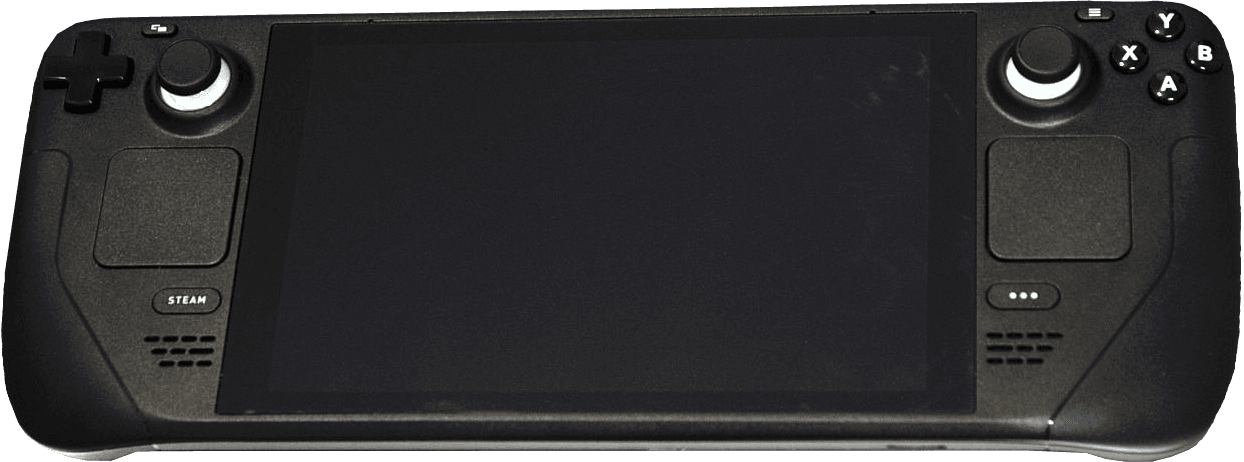
This announcement coincided with the Steam Deck OLED models finally becoming available for purchase again. The devices had been largely out of stock since February 2026, experiencing intermittent availability due to ongoing component shortages. The company’s public statement addressed the changes directly, noting, "Steam Deck itself hasn't changed; these new prices reflect the current state of component costs and other global logistical challenges across the industry as a whole. We'll keep you updated if anything changes."
The core reason for these increases, as indicated by Valve, is the "rising memory and storage costs." This issue stems from a global hardware shortage that has been impacting the gaming industry for several months, often referred to as "RAMmageddon" or the "RAMpocalypse." This crisis, which began in 2024, is characterized by severe supply constraints and rapid price escalation within the semiconductor memory market, specifically affecting DRAM and NAND flash memory.
Experts suggest this current memory shortage is distinct from the global chip shortage experienced between 2020 and 2023, which was largely a consequence of pandemic-related supply chain disruptions. Instead, the present scarcity is primarily driven by a structural reallocation of manufacturing capacity. The industry is reportedly shifting focus towards high-margin products essential for artificial intelligence (AI) infrastructure.
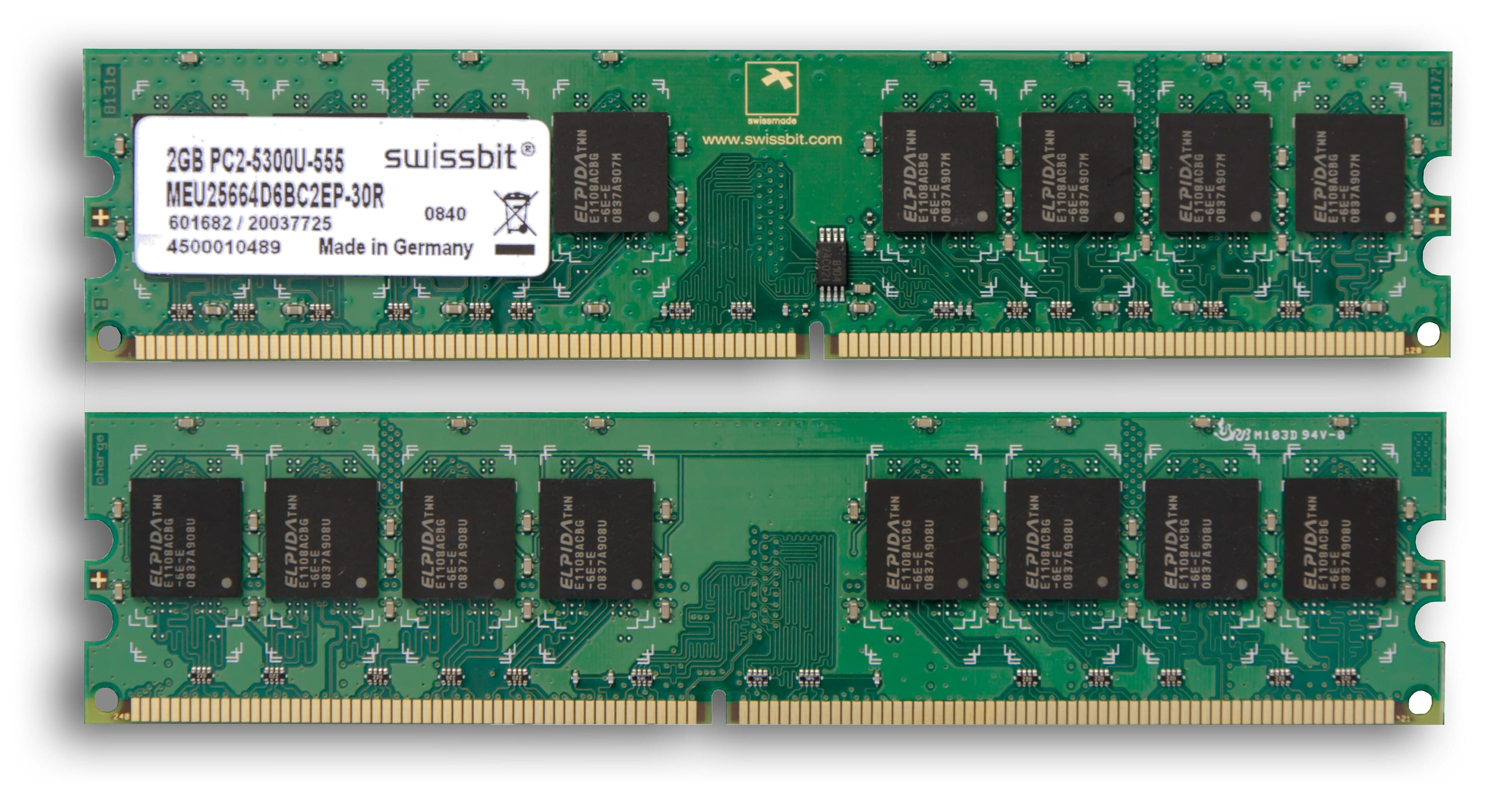
The rapid expansion of generative AI services has created unprecedented demand for specialized memory products, particularly High Bandwidth Memory (HBM) used in AI accelerators and data center GPUs. Reports indicate a dramatic financial impact: DRAM prices surged by 172% throughout 2025, and NAND Flash, a critical storage component for devices like the Steam Deck, saw its prices skyrocket by 500% over the six-month period ending in March.
Major AI companies, including industry giants like OpenAI, Google, Anthropic, and Meta, are reportedly consuming vast quantities of memory. OpenAI alone is estimated to be purchasing approximately 40% of the global DRAM production monthly. This intense demand has led some memory manufacturers, such as Micron, to reportedly exit the consumer memory market entirely to concentrate on the more lucrative business-to-business supply for AI applications.
The ripple effects of these component shortages and escalating costs are being felt throughout the entire gaming hardware industry. Other major console manufacturers have also recently announced price increases for their devices. Microsoft reportedly raised the price of its standard Xbox Series X to $649, while Sony’s PlayStation 5 recently climbed to $649.99 for the base model, with the PS5 Pro reaching $899. Even Nintendo is reportedly set to increase the price of its upcoming Nintendo Switch 2 by $50 in September, and handheld gaming competitors like Lenovo have also adjusted prices for their devices.
The Steam Deck OLED, which launched in 2023, quickly garnered a reputation as one of the best handheld gaming PCs, offering a compelling value proposition to consumers. However, these substantial price increases now significantly reduce that competitive advantage when compared to other handhelds on the market, such as the Asus ROG Ally and the Lenovo Legion Go 2.
Valve had previously discontinued the more affordable Steam Deck LCD 256GB model in late 2025, effectively removing a lower-cost entry point into the Steam Deck ecosystem. The ongoing memory crisis has also impacted other anticipated Valve hardware. The releases of the upcoming Steam Machine PC and the Steam Frame VR headset, originally slated for the first quarter of 2026, have reportedly been delayed indefinitely. Industry reports suggest that these new systems, which would utilize even newer technologies, are likely to be even more expensive upon their eventual release.
The current situation suggests that the gaming hardware market will continue to face considerable challenges. Consumers may opt to hold onto their existing devices for longer periods or explore more affordable gaming alternatives, such as mobile gaming or cloud gaming services, as the cost of new hardware continues to climb.