CultureSpring feels like a fresh start, but for many, it quietly throws off one of the body's most vital systems: sleep. As daylight hours stretch and morning light breaks earlier, our internal clocks, which got used to darker winter days, have to adjust all over again. This shift often means later bedtimes, tougher mornings, and a lingering grogginess that just won't quit, a common issue recently highlighted by Gesi Lloyd.
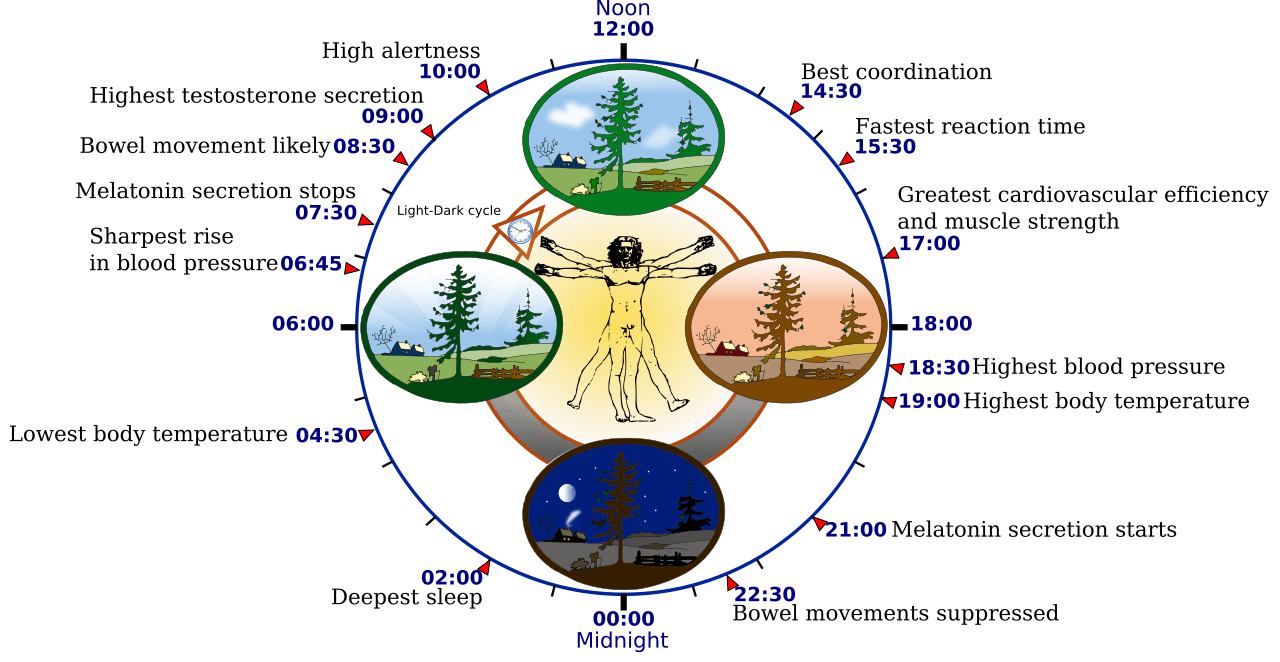
The root of this disruption is deeply biological. Light acts as the primary signal for melatonin production, the hormone that tells your brain it's time to wind down and prepare for sleep. During winter, shorter days gradually delay this signal, allowing our bodies to adapt to a different rhythm. However, when spring arrives and daylight hours lengthen significantly, the body's internal clock doesn't just snap back into place automatically. This often leads to a disconnect between our natural sleep drive and the external light cues.

This seasonal shift gets even more complicated with the spring clock change associated with Daylight Saving Time. Losing just one hour might seem minor on the surface, but it constitutes a genuine biological disturbance. It's akin to suddenly crossing a time zone, forcing your body to recalibrate without the usual gradual adjustment. While some individuals may adapt within a few days, many others require a week or two to stabilize. During this period, falling asleep and waking at desired times can prove unexpectedly difficult, even for those who typically experience no sleep issues. Furthermore, winter habits, such as reduced physical activity, heavier evening meals, increased screen time, and inconsistent bedtimes, can accumulate over months, contributing to a pre-existing sleep deficit that carries directly into spring, making the adjustment even harder.
Sleep and well-being experts consistently point to the body's internal clock, or circadian rhythm, as the key player in distinguishing day from night. Lucy Shrimpton, a sleep and well-being expert, noted that despite the constant presence of artificial light and light-emitting devices in modern life, new research suggests that human manipulation is insufficient to override seasonal changes to sleep needs. This implies a powerful biological predisposition to require more sleep in winter, challenging the notion that we can simply power through with artificial light.
Dr. Andrea Klemes, chief medical officer at MDVIP, observed that while humans do not hibernate in the traditional sense, it is common to see people sleeping more from late fall through winter and less during late spring and summer. She identified daylight exposure as the most significant environmental factor influencing this pattern. Supporting this observation, German researchers conducted sleep studies on 188 participants, finding compelling evidence: those tested in winter slept an hour longer and experienced 30 minutes more rapid eye movement (REM) sleep than those tested in summer. Dr. Klemes remarked on these significant findings, stating, "This is a small study, but it's not the only one that found our bodies overcompensate for less daylight with more REM." This increased REM sleep during winter is believed to be directly influenced by light and darkness cycles, occurring even in urban environments with abundant artificial light, further underscoring the deep biological connection to seasonal light changes.

So, how do you know if your sleep rhythm needs a tune-up? There are clear signs that your internal clock requires active support rather than passive waiting for things to improve. These include lying awake while feeling utterly exhausted, waking up without feeling rested despite a full night in bed, experiencing a significant energy crash in the mid-afternoon that makes focus impossible, and relying heavily on caffeine through the late morning just to maintain functionality and alertness. These patterns suggest your circadian rhythm is out of sync and needs deliberate intervention.
To actively address these disruptions, various effective strategies are highly recommended by sleep professionals. Morning sunlight is considered the most potent and accessible tool. Exposing oneself to bright, natural light early in the day, ideally shortly after waking, helps to effectively advance the circadian rhythm and encourages earlier, more natural wake times. Conversely, protecting evening darkness is equally crucial. As daylight extends later into the evening, consciously dimming indoor lighting and significantly reducing exposure to artificial light, particularly the blue light emitted from screens on phones, tablets, and computers, can prevent the delay of melatonin release, allowing the body to prepare for sleep more naturally. Dr. Chester Wu, who is double board-certified in Psychiatry and Sleep Medicine, strongly advised this dual approach, stating, "The most important thing to focus on is light exposure. Get out in sunlight as soon as you wake up, spend more time in daylight during the day, and make your evenings and nights as dark as you can. This will keep your body clock, and therefore sleep cycle, running smoothly."
Gradual adjustment of sleep and wake times is another key recommendation for easing into a new spring schedule. Experts suggest shifting both bedtime and wake-up time by a manageable increment of 15 to 30 minutes every few days. This incremental approach allows the body to adapt without the shock of a sudden, drastic change, until the desired schedule is comfortably achieved. Dr. Chelsie Rohrscheib, a sleep specialist and neuroscientist, even suggested a proactive approach: starting to go to bed a half-hour earlier for one to two weeks leading up to the time change to adequately prepare the body for the shift. Maintaining a consistent sleep schedule, even on weekends, is vitally important for reinforcing the body's natural sleep-wake cycle and preventing a "social jet lag" that can undo progress made during the week.
Beyond light exposure and consistent timing, optimizing the sleep environment plays a significant role in fostering restorative sleep. Keeping the bedroom at a comfortable, cool temperature, ideally between 60° and 67°F, is known to promote better sleep quality. Utilizing blackout curtains or a comfortable sleep mask can effectively block out unwanted light during those increasingly early mornings and late evenings. Furthermore, choosing natural, breathable bedding and mattresses that facilitate proper air circulation can significantly improve sleep continuity during warmer months by preventing micro-awakenings caused by overheating.
Lifestyle adjustments are also critical components of a healthy spring sleep strategy. Regular, moderate physical activity can significantly enhance sleep quality, but it's important to time it right; strenuous workouts should be avoided within a few hours of bedtime as they can be stimulating and interfere with winding down. Instead, incorporating relaxing activities like gentle yoga or meditation into your evening routine can aid in preparing your body for rest. A balanced diet supports good sleep, while heavy, rich, or spicy meals consumed too close to bedtime can cause discomfort, indigestion, and disrupt the sleep process. Limiting caffeine and alcohol intake, especially in the hours before bed, is strongly advised, as both substances can significantly disrupt sleep patterns and interfere with the natural production of melatonin, leading to fragmented or poor-quality sleep. Establishing a calming evening routine, one that is free from stressful media, demanding work tasks, and bright screens, helps signal to the brain that it is time to transition from the demands of the day to a state of rest.
The widespread impact of Daylight Saving Time and the natural shift of spring extends far beyond just a few sleepy days, affecting productivity, mood, and overall health. By proactively understanding and addressing these changes with intentional strategies—from managing light exposure to fine-tuning your daily habits—individuals can effectively recalibrate their internal clocks. This allows for a smoother transition into the season, ensuring that the fresh start of spring truly feels restorative and energetic.