Home
Explore
Notifs
Profile

Black-owned · Built for the global diaspora · Curated pins from Black and melanated creators across hair, style, beauty, home, and art.

Formerly Melaninterest.com

m
melanin
AboutHelpTermsPrivacyCommunity GuidelinesCreators

© 2026 Melanin. All rights reserved.

Mmelanin
HomeExploreCreatorsNewsCreate
Ctrl+K
Log inSign up
Mmelanin
HomeExploreCreatorsNewsCreate
Ctrl+K
Log inSign up
SpaceX IPO Set for June 12 with Record-Breaking $2 Trillion Valuation Target — Melanin News | Melanin
Mmelanin
HomeExploreCreatorsNewsCreate
Ctrl+K
Log inSign up
All news
SpaceX IPO Set for June 12 with Record-Breaking $2 Trillion Valuation TargetCulture

SpaceX IPO Set for June 12 with Record-Breaking $2 Trillion Valuation Target

2w ago

Elon Musk's aerospace giant, SpaceX, is on the cusp of a monumental financial leap, with its initial public offering (IPO) slated for June 12, 2026. The company is reportedly targeting an unprecedented valuation of up to $2 trillion, which would eclipse Saudi Aramco's 2019 record and mark the biggest IPO in history.

The highly anticipated debut on the Nasdaq exchange will see SpaceX trading under the ticker symbol "SPCX." This move follows a strategic 5-for-1 stock split, a decision designed to make shares more accessible to a wider range of investors by lowering the per-share price. Reports indicate SpaceX aims to raise between $75 billion and $80 billion through the offering, solidifying its position as a dominant force in both the aerospace and technology sectors.

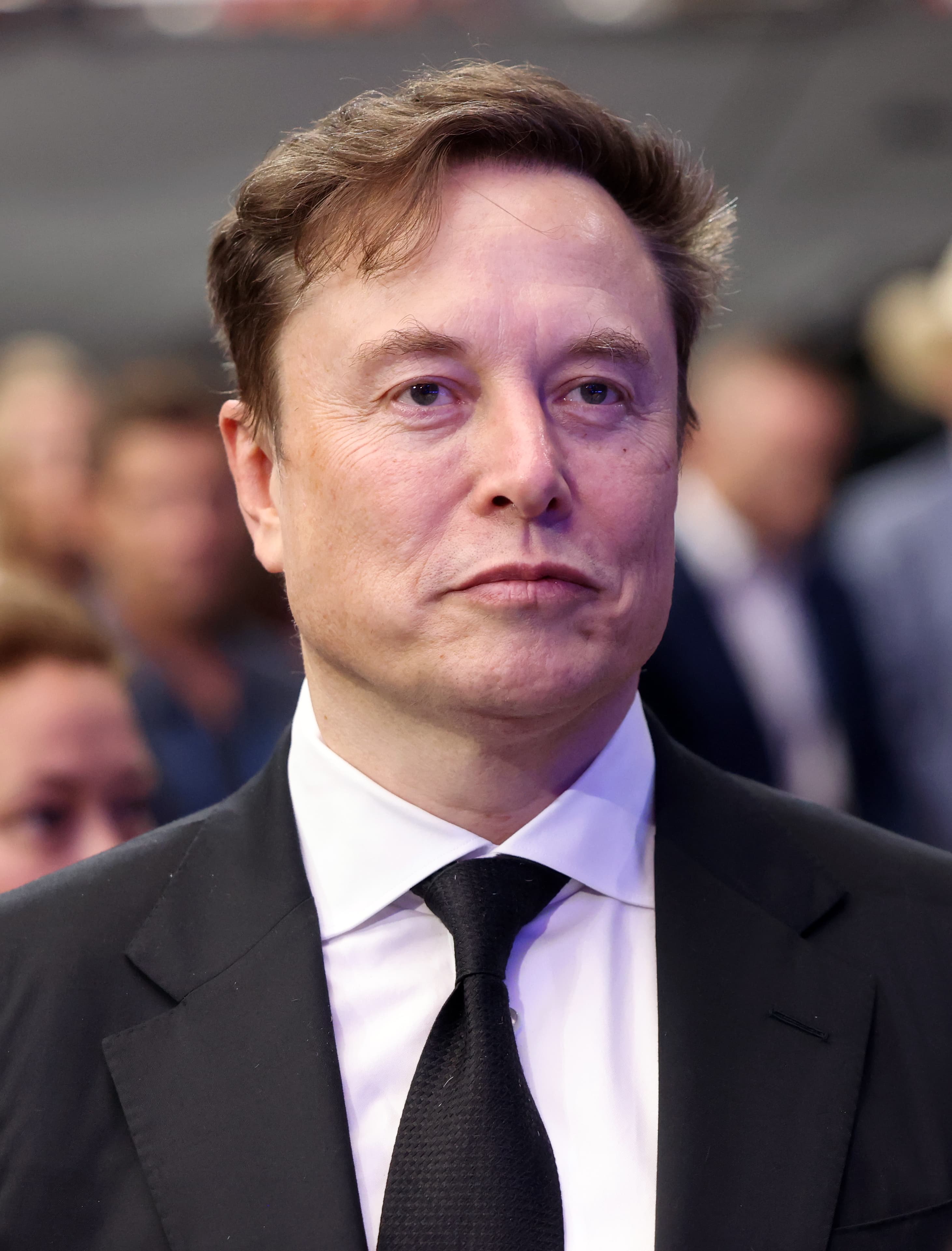
Image related to SpaceX IPO Set for June 12 with Record-Breaking $2 Trillion Valuation Target
Related image from the original report Source

The journey to this historic public offering has been notably swift. SpaceX confidentially submitted its S-1 registration statement to the U.S. Securities and Exchange Commission (SEC) in April 2026 to gather initial feedback. Following a faster-than-anticipated review process, the company accelerated its timeline, with the official IPO prospectus expected to be made public by May 20, 2026. Investor roadshows, crucial for pitching the offering to major institutions and brokerages, are scheduled to kick off on June 4, 2026, with the final offering price to be determined on June 11, 2026, just one day before public trading begins.

The 5-for-1 stock split, which received shareholder approval, was announced in the week of May 18, 2026, and is expected to be finalized by May 22, 2026. This adjustment means the fair market value per share will shift from approximately $526.59 to about $105.32. The move is a clear signal of intent to attract a diverse investor base, including retail investors who might find a lower entry price more appealing.

Elon Musk, the founder and CEO of SpaceX, remains a central figure in this process. Known for his leadership at Tesla and recent oversight of SpaceX's acquisition of his artificial intelligence company xAI—which includes the Grok AI assistant and the social media platform X—Musk has publicly affirmed his commitment. He stated on the X platform that he "will not sell any stock" in the IPO, underscoring SpaceX's long-term mission to establish humanity as a multi-planetary species. This stance is widely seen as potentially creating a "Musk premium" and providing a stable floor for the stock price.

SpaceX Starship
SpaceX Starship Source

The IPO has sparked significant market buzz. Analysts like Franco Granda of PitchBook have suggested that SpaceX's stock could exhibit volatility akin to "Tesla's stock on steroids." New York University finance professor Aswath Damodaran, often called the "Dean of Valuation," has scrutinized SpaceX's financials, identifying its core businesses: space launch services, satellite internet via Starlink, and its AI lab (xAI). While Damodaran's own valuation sits at $1.22 trillion, he acknowledges that the target of $1.75 trillion falls within a reasonable range, given the substantial business uncertainties that often lean towards upside potential. Ark Investment Management, an existing SpaceX investor, supports the $1.75 trillion valuation, considering it "grounded in a plausible trajectory" due to Musk's ambitious vision and SpaceX's proven track record. However, Michael O'Rourke, Chief Market Strategist at Jonestrading Institutional Services, has voiced caution regarding the high valuation, pointing out that it represents "100-times revenue" compared to reported 2025 sales of approximately $20 billion.

SpaceX's choice to list on Nasdaq is partly influenced by the exchange's "fast entry" provision, implemented on May 1, 2026. This provision allows a sufficiently large newly public company to qualify for the Nasdaq-100 index after just 15 trading sessions, which could prompt index-tracking funds to invest in SpaceX shortly after its market debut. Major financial institutions, including Morgan Stanley, Bank of America, Citigroup, JPMorgan, and Goldman Sachs, are spearheading the offering, supported by 16 additional banks in smaller roles. These underwriting efforts could generate up to $1 billion in fees.

The company's business model is robust, built upon three primary pillars. Its launch services, powered by reusable rocket technology, have drastically reduced space transportation costs. In 2025 alone, SpaceX completed 165 orbital launches and serves as the exclusive provider for NASA astronaut missions to the International Space Station. Starlink, its extensive low-Earth-orbit satellite network, delivers global internet access and is a significant revenue generator, reportedly bringing in $11.4 billion in revenue in 2025 with 63% EBITDA margins and over 9 million users. The recent acquisition of xAI, valued at $250 billion within a $1.25 trillion overall valuation for the combined entity, adds a third growth engine focused on space-based AI infrastructure and large language models like Grok. Proceeds from the IPO are primarily designated to accelerate the large-scale launch of the next-generation Starship program and to heavily invest in a low-Earth-orbit "space data center" network.

Concerns have been raised regarding SpaceX's governance structure, which features a dual-class share system that grants Elon Musk a "supermajority of class B stock." This effectively provides him with absolute voting control and could prevent his removal. Some analysts also note that Musk's simultaneous leadership of SpaceX and Tesla, alongside his political activities, might give institutional investors adhering to ESG (Environmental, Social, and Governance) investment frameworks pause. The company's ambitious stated goal of "establishing a self-sufficient city on Mars" is also highlighted as a unique risk factor in its prospectus. The accelerated IPO timeline is viewed by some as a strategic maneuver to preemptively secure market capital and liquidity, especially with other high-profile AI companies like OpenAI and Anthropic reportedly planning IPOs in 2026.