Home
Explore
Notifs
Profile

Black-owned · Built for the global diaspora · Curated pins from Black and melanated creators across hair, style, beauty, home, and art.

Formerly Melaninterest.com

m
melanin
AboutHelpTermsPrivacyCommunity GuidelinesCreators

© 2026 Melanin. All rights reserved.

Mmelanin
HomeExploreCreatorsNewsCreate
Ctrl+K
Log inSign up
Mmelanin
HomeExploreCreatorsNewsCreate
Ctrl+K
Log inSign up
Southwest Airlines Reverses Controversial Plus-Size Seating Policy — Melanin News | Melanin
Mmelanin
HomeExploreCreatorsNewsCreate
Ctrl+K
Log inSign up
All news
Southwest Airlines Reverses Controversial Plus-Size Seating PolicyCulture

Southwest Airlines Reverses Controversial Plus-Size Seating Policy

4d ago

Southwest Airlines has once again shifted its stance on seating for plus-size passengers, quietly adjusting its long-standing 'Customer of Size' policy. The Dallas-based carrier's latest update, which reportedly took effect in late May 2026, marks a significant return to a more accommodating approach after a period of widespread criticism.

Under the new guidelines, airport agents are now authorized to provide an additional adjacent seat at no extra charge to travelers who require more space, contingent on availability. Should an extra seat not be open on the desired flight, Southwest has committed to rebooking the passenger on a later flight without any additional fees. A spokesperson for the airline stated that this revised policy aims to foster "a more consistent and seamless experience for customers who require an additional seat."
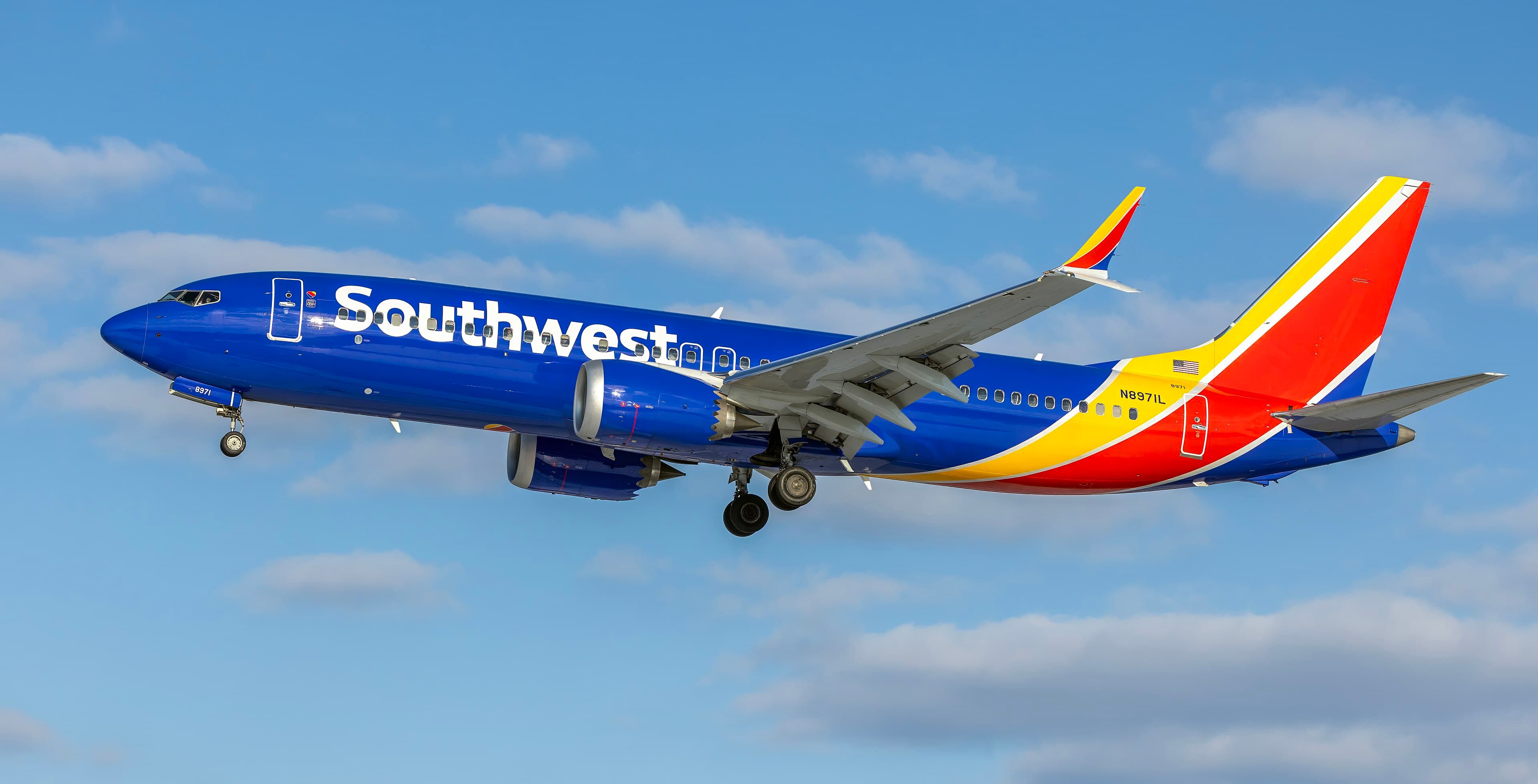
Southwest Airlines
Southwest Airlines Source

This recent policy adjustment represents a notable pivot from a stricter mandate that had been in place for only a few months. On January 27, 2026, Southwest officially rolled out an updated 'Customers of Size' policy. This change coincided with the airline's decision to end its decades-old open seating model, introducing assigned seating across all flights for the first time. The January 2026 policy stipulated that passengers unable to comfortably fit within a single seat, as defined by the armrests, were required to purchase an additional seat in advance. While refunds for this extra seat were technically possible, they were subject to specific conditions: the flight needed to depart with at least one open seat, both seats had to be booked in the same fare class, and the refund request had to be submitted within 90 days of travel. Passengers arriving at the airport without a pre-booked second seat and deemed to need one faced the risk of being denied boarding, forced to pay a significantly higher day-of fare, or rebooked on a later flight if no adjacent seats were available.

Southwest's approach to accommodating plus-size travelers has a history spanning over 30 years. For many years prior to the January 2026 changes, the airline was widely recognized for having one of the most inclusive and equitable policies in the industry. During that period, travelers needing extra room could either request an additional seat at the gate if available, or purchase a second seat in advance and then apply for a refund, even if the flight was completely sold out. This long-standing practice cultivated significant loyalty among plus-size passengers, many of whom often felt overlooked by other airlines. Tigress Osborn, executive director of the National Association to Advance Fat Acceptance (NAAFA), observed that "Southwest was the only beacon of hope for many fat people who otherwise wouldn't have been flying." She further noted that the airline "was not just an industry leader — it was an example to other industries that accommodating people in the body they have today is an important business practice."

The January 2026 policy changes, particularly the requirement for advance purchase of an extra seat, ignited immediate and widespread backlash across social media platforms and within various travel communities. Critics swiftly labeled the controversial mandate a "fat tax." Numerous reports emerged detailing embarrassing public encounters at airport gates, where passengers were reportedly singled out and asked to discuss their body size in front of other travelers. For instance, TikTok user Grace Simpson publicly shared her experience of being "flagged" and pulled aside at the gate by a Southwest employee who informed her that "it had been flagged to me that you might be a customer of size." She expressed considerable anger at being the sole larger person approached on her flight. Kenny Slack, a 36-year-old hairstylist from Houston, recounted a similar incident in March 2026 at Kansas City International Airport, where gate agents attempted to compel him to purchase an extra seat, despite his recent weight loss and prior flights without issue. He described the incident as occurring "in front of a lot of people, so it was pretty embarrassing." Emily Treischel, another plus-size TikTok creator, also shared a negative experience in March, which she said triggered increased travel anxiety and prompted her to spend hundreds of dollars on a last-minute second seat.

Boeing Commercial Airplanes
Boeing Commercial Airplanes Source

Advocacy groups were quick to voice their disapproval. The National Association to Advance Fat Acceptance (NAAFA) criticized the January policy as "more restrictive" and something that caused "deep concern" within their community. Tigress Osborn of NAAFA explicitly stated, "Southwest should have improved inclusion, not backpedaled on it." The Obesity Action Coalition also publicly urged Southwest to "immediately establish clear, consistent and respectful standards for its Customer of Size (CoS) policy," citing complaints about inconsistent enforcement. The lack of standardized measurements for determining who qualified as a "Customer of Size" was a key factor contributing to confusion and the potential for discriminatory treatment.

These policy adjustments were part of a broader "transformation strategy" at Southwest, which also included the elimination of its "bags fly free" policy, a long-standing perk for travelers. The decision to transition to assigned seating, initially announced in July 2024 and implemented on January 27, 2026, marked the end of a practice that had distinguished Southwest for over five decades. This strategic shift brought Southwest's operational model more in line with other major carriers, which typically require passengers needing additional space to purchase an extra seat, often without the assurance of guaranteed refunds.

The recent reversal, announced in late May 2026, has largely been met with positive reactions from the plus-size community and travel experts. Emily Treischel, the TikTok creator who previously shared her negative experience, expressed relief, calling it "the best news ever" for larger travelers. Katy Nastro, a travel expert from the flight deals website Going, commented that "This rollback feels like, for the first time in a while, Southwest is bringing back some of the LUV to its passengers." While NAAFA praised the policy reversal, Tigress Osborn acknowledged it as only a "tiny adjustment," indicating that the carrier has not fully returned to its "former glory" as the most magnanimous airline in the industry. Despite the latest change, Southwest continues to advise customers who anticipate needing an additional seat to book it in advance, aiming to prevent potential last-minute inconveniences at the airport.