CultureThe slow cooker has been a kitchen staple for decades, promising ease and delicious meals with minimal effort. Yet, despite its 'fix-it-and-forget-it' appeal, experts warn that some common ingredients are not only ill-suited for the appliance's unique cooking environment but can also lead to significant food safety hazards.
At the heart of the issue is the slow cooker's gradual heating process. While perfect for tenderizing tough cuts of meat, this method can turn delicate ingredients into mush and, more critically, fail to properly cook or detoxify others. Foods like lean meats, certain vegetables, and dairy often suffer in quality, while frozen poultry and specific dried beans can become outright dangerous if not handled correctly before hitting the pot.
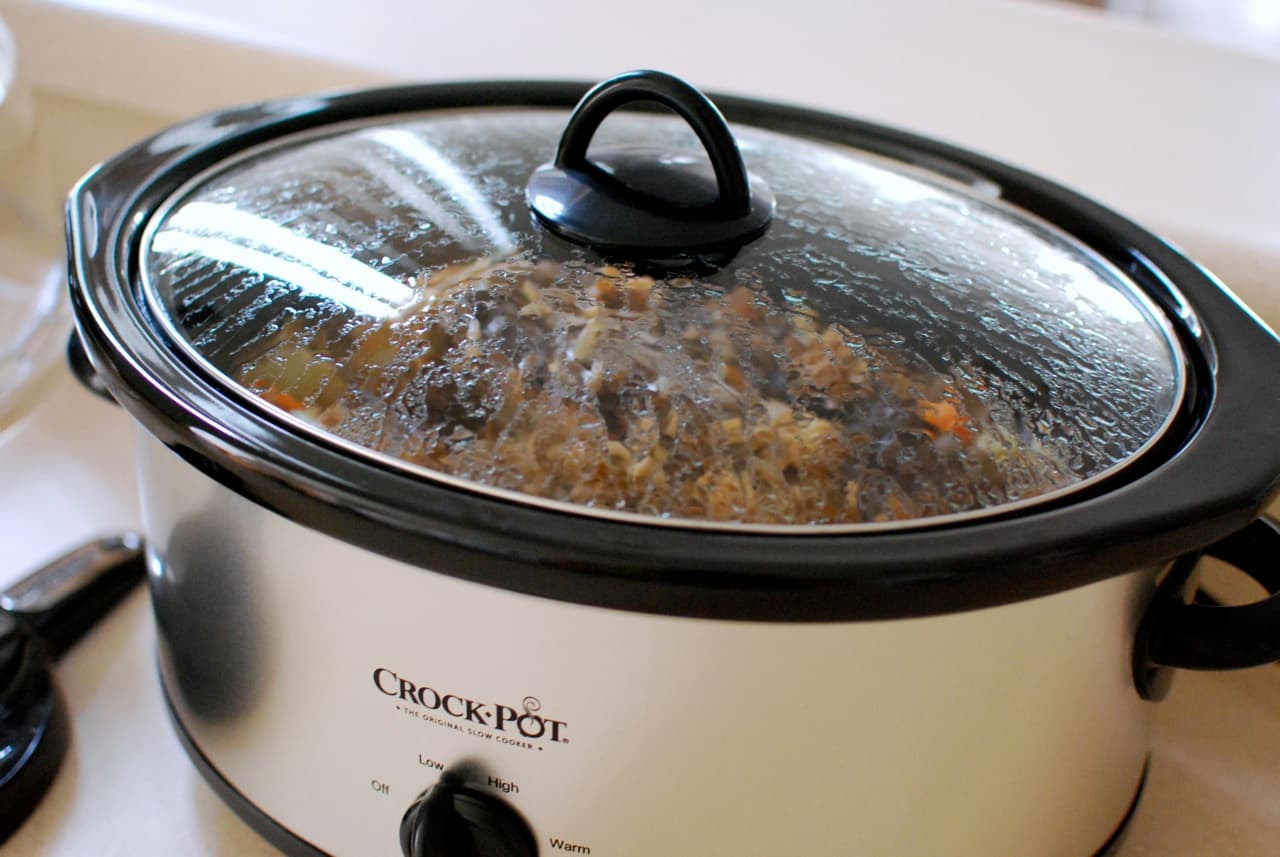
The slow cooker, often generically known by the brand name Crock-Pot, revolutionized home cooking. Its origins trace back to inventor Irving Naxon, who filed a patent in 1936 for a portable cooking device. Naxon's inspiration came from his Lithuanian great-grandmother's traditional cholent, a bean and barley stew that required hours of slow cooking. He brought his invention, the Naxon Beanery, to market in the 1950s. The appliance's widespread popularity surged in the mid-1970s after Rival Manufacturing acquired Naxon in 1970 and rebranded the Beanery as the Crock-Pot in 1972. This coincided with a significant increase in women entering the workforce, making the slow cooker's convenience particularly attractive for busy families. Its energy efficiency also proved valuable during the 1973 and 1979 energy crises.
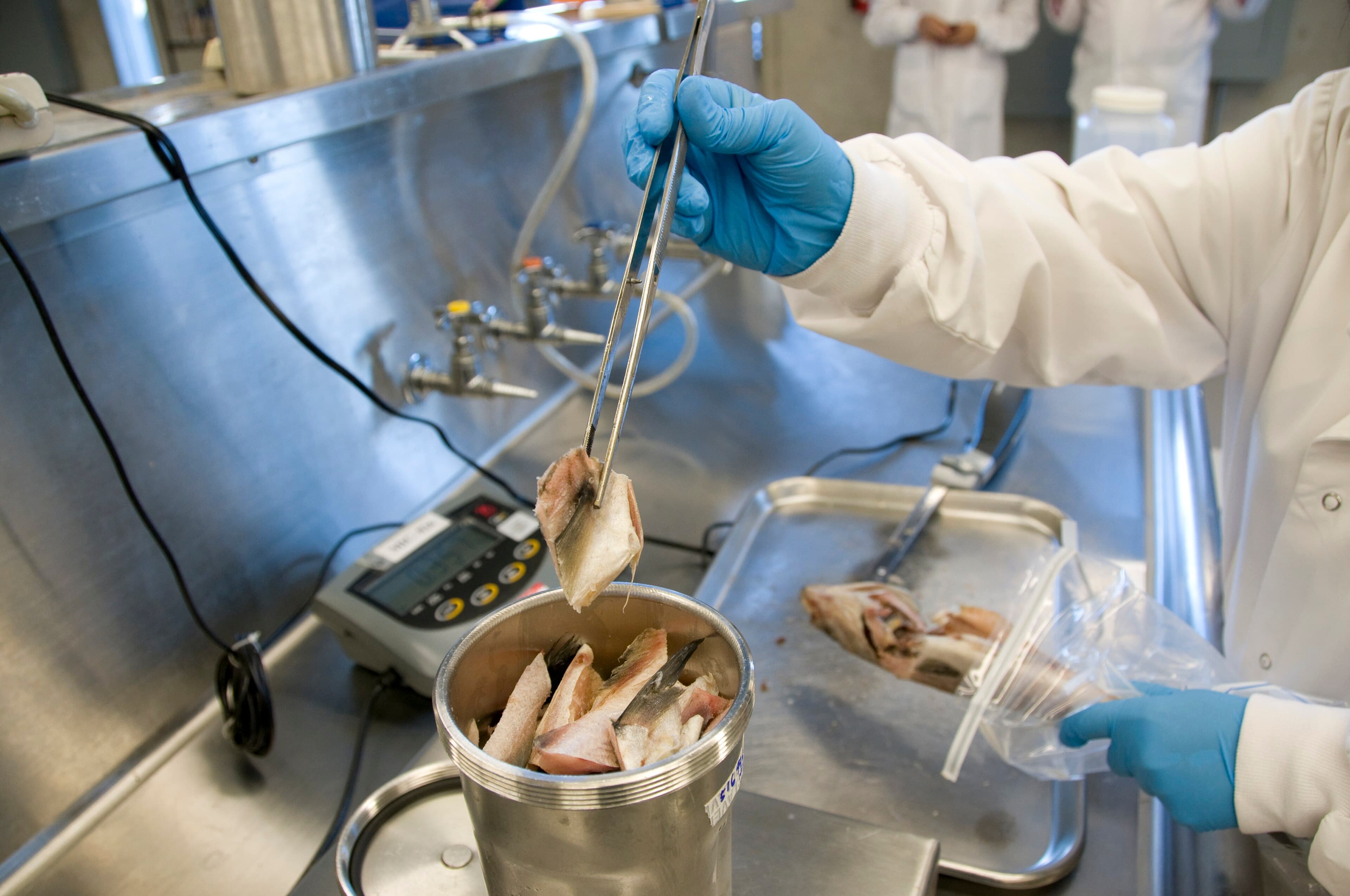
New York Private Chef Clare Langan highlighted common pitfalls, noting, "Slow cookers are excellent at braising or cooking things like tough cuts of meat and vegetables in a small amount of liquid. Problems arise a lot when home cooks put quick-cooking proteins in the slow cooker." She specifically mentioned fish and white meat poultry, adding, "Using lean proteins in a slow cooker misses the point. You are much better pan-searing or oven-roasting and cooking until just done." Indeed, lean cuts such as chicken breast, tenderloin, fish, and seafood tend to become dry, tough, or rubbery with prolonged low-heat exposure, lacking the collagen and fat that benefit from slow braising.
Beyond proteins, delicate vegetables like zucchini, asparagus, spinach, kale, and broccoli often turn mushy and lose their vibrant color and nutrients during extended slow cooking. Fresh herbs such as basil, parsley, cilantro, sage, and oregano also suffer, losing flavor and turning an unappetizing brown. Culinary advice suggests adding fresh herbs at the very end or opting for dried varieties, which hold up better. Dairy products, including milk, cream, and yogurt, are prone to curdling or splitting, resulting in an undesirable lumpy texture. Stephanie O'Dea, author of "Make it Fast, Cook it Slow" cookbooks, acknowledged that while "curdling milk is part of the recipe for making yogurt," it's generally not the desired outcome for other dishes. Pasta, rice, and couscous are also typically not recommended from the start, as they can absorb too much liquid and become mushy or gummy. O'Dea remarked, "Rice can get overly starchy when it cooks too long, so it tastes gummy," and for pasta, "If you don't follow a recipe for pasta that is written specifically for a slow cooker and take note of the timing, it loses shape and becomes wallpaper paste." These starches are best cooked separately or added near the end of the cycle. Additionally, excessive liquid in a slow cooker can lead to watery, flavorless dishes due to minimal evaporation, and alcohol like wine or beer will not evaporate as it would on a stovetop, potentially leaving an overpoweringly bitter taste. Meat cooked with the skin on will also result in unappetizing, flabby skin.

The most critical warnings, however, involve food safety. Food safety guidelines consistently advise against placing frozen meat or poultry directly into a slow cooker. The gradual heating process means that frozen items can remain in the "danger zone"—between 40°F and 140°F—for too long, allowing harmful bacteria to multiply to unsafe levels. Experts stress that meat and poultry must be completely thawed in the refrigerator, under cold water, or in the microwave before being added to the slow cooker.
Another significant health concern involves certain dried beans, particularly kidney beans. These beans naturally contain a toxin called phytohaemagglutinin. To neutralize this toxin, dried beans must be boiled vigorously for at least 10 minutes before they are slow-cooked. The lower temperatures of a slow cooker are often insufficient to destroy this toxin without prior boiling, which could lead to severe gastrointestinal illness. The University of Minnesota specifically recommends soaking dried beans for 12 hours and then boiling them for 10 minutes before incorporating them into a slow cooker recipe. These warnings underscore that while slow cookers offer unparalleled convenience, understanding the specific requirements for different ingredients is paramount to ensure both culinary success and, more importantly, food safety.
Proper preparation and ingredient selection are key to harnessing the full potential of your slow cooker. Neglecting these crucial steps can transform a simple meal into a disappointing dish or, worse, a health risk. Always verify that your ingredients are compatible with the slow cooker's unique cooking method to ensure delicious and safe results.