Home
Explore
Notifs
Profile

Black-owned · Built for the global diaspora · Curated pins from Black and melanated creators across hair, style, beauty, home, and art.

Formerly Melaninterest.com

m
melanin
AboutHelpTermsPrivacyCommunity GuidelinesCreators

© 2026 Melanin. All rights reserved.

Mmelanin
HomeExploreCreatorsNewsCreate
Ctrl+K
Log inSign up
Mmelanin
HomeExploreCreatorsNewsCreate
Ctrl+K
Log inSign up
Silver Soars: Price Jumps and Volatility Reshape Its Future — Melanin News | Melanin
Mmelanin
HomeExploreCreatorsNewsCreate
Ctrl+K
Log inSign up
All news
Silver Soars: Price Jumps and Volatility Reshape Its FutureCulture

Silver Soars: Price Jumps and Volatility Reshape Its Future

1w ago

Silver, long overshadowed by gold, is now commanding serious attention from investors and analysts alike. The precious metal has staged a dramatic comeback, with prices more than doubling over the past year, fundamentally reshaping its market trajectory for the decade ahead. This surge is driven by a powerful combination of escalating industrial demand and a renewed appeal as a monetary asset.

The price action has been nothing short of breathtaking, and at times, volatile. Silver began 2025 trading at approximately $30 per ounce, only to rocket to $79 by early 2026. In a late December 2025 frenzy, it briefly broke the $80-per-ounce barrier, hitting an intraday high of around $84. However, this peak was followed by a sharp drop, dubbed the "Christmas Crash," where prices fell nearly 10% in a single trading session. Despite this, reports indicate the iShares Silver Trust actually increased its physical metal holdings, suggesting institutional players were accumulating even as the paper market saw selling pressure. The volatility continued into early January 2026, when silver briefly surpassed $113 per ounce, only to retreat significantly to $77 per ounce by February, marking a 32 percent decline in a matter of weeks. More recently, on May 13, 2026, front-month Comex silver for May delivery recorded a 4.4% gain, settling at $88.888 per ounce, its strongest value since March 10. This was followed by a decline on May 26, 2026, when futures dropped 2.61%, settling at $76.041.
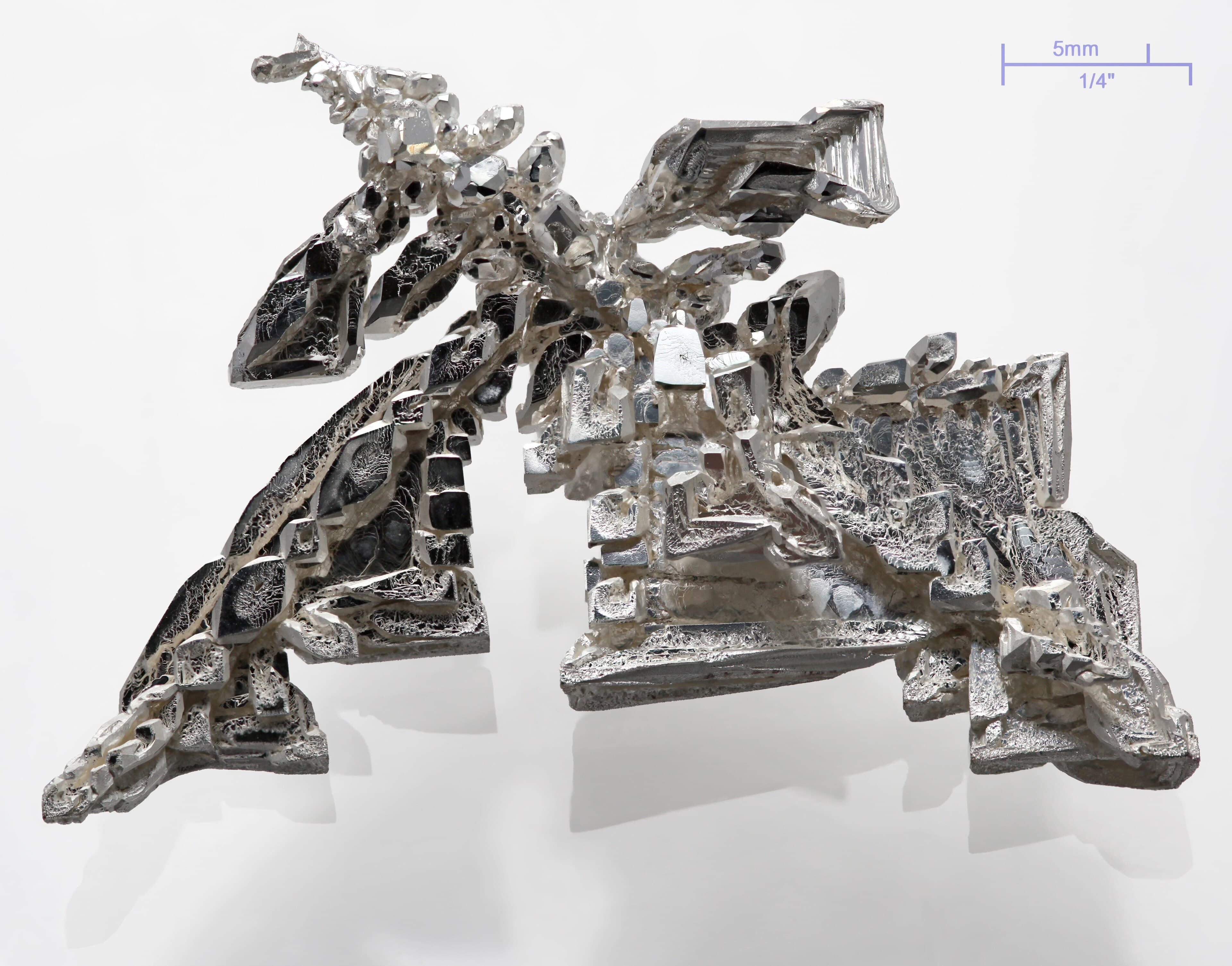
Silver
Silver Source

A major force behind silver's escalating value is its dual identity as both a store of wealth and a critical industrial commodity. Industrial applications now account for a substantial 50% to 60% of total silver demand, excluding ETF flows. This demand is particularly robust from the burgeoning "green energy" sector, where silver's exceptional electrical conductivity, reflectivity, and corrosion resistance make it indispensable. It is a vital component in photovoltaic cells for solar panels, electric vehicles, 5G infrastructure, AI data center hardware, medical devices, and advanced electronics. To put this into perspective, nearly 19,500 kilograms of silver are required to produce one gigawatt of solar power. The automotive sector alone is projected to consume approximately 90 million ounces of silver by 2025. Industrial demand reached a record 680.5 million ounces in 2024, though it moderated slightly to 665 million ounces in 2025 as solar manufacturers implemented "thrifting" initiatives to reduce silver content per cell. Industry reports characterize this moderation as merely a "speed bump," not a fundamental shift in demand.
Compounding the demand pressure, the global silver market has faced persistent structural supply deficits. Reports indicate a shortfall in supply since 2021, with 2025 marking the fifth consecutive year where global consumption outpaced mining production. A sixth deficit is projected for 2026. The annual deficit was estimated at roughly 117 million ounces in 2025. The World Silver Survey 2026, published by the Silver Institute and Metals Focus, estimates a 2026 deficit of approximately 46.3 million ounces. These supply constraints are attributed to factors such as tightening environmental scrutiny of mining operations in regions like Mexico and Peru, coupled with a limited number of new primary silver projects coming online.

Beyond industrial use, investment demand for silver has also surged. This is fueled by widespread inflation concerns, high government debt levels, and volatile equity markets, pushing investors to seek tangible assets as a hedge against economic uncertainty. Silver's historical tendency to appreciate during periods of economic instability and geopolitical stress further bolsters its appeal. For example, the Federal Reserve's decision on December 10, 2025, to cut interest rates by 25 basis points signaled an easing cycle. Such moves generally weaken the U.S. dollar, making dollar-priced commodities like silver more attractive to international buyers. Geopolitical developments, including U.S.-Iran diplomacy, have also reportedly influenced precious metals prices.

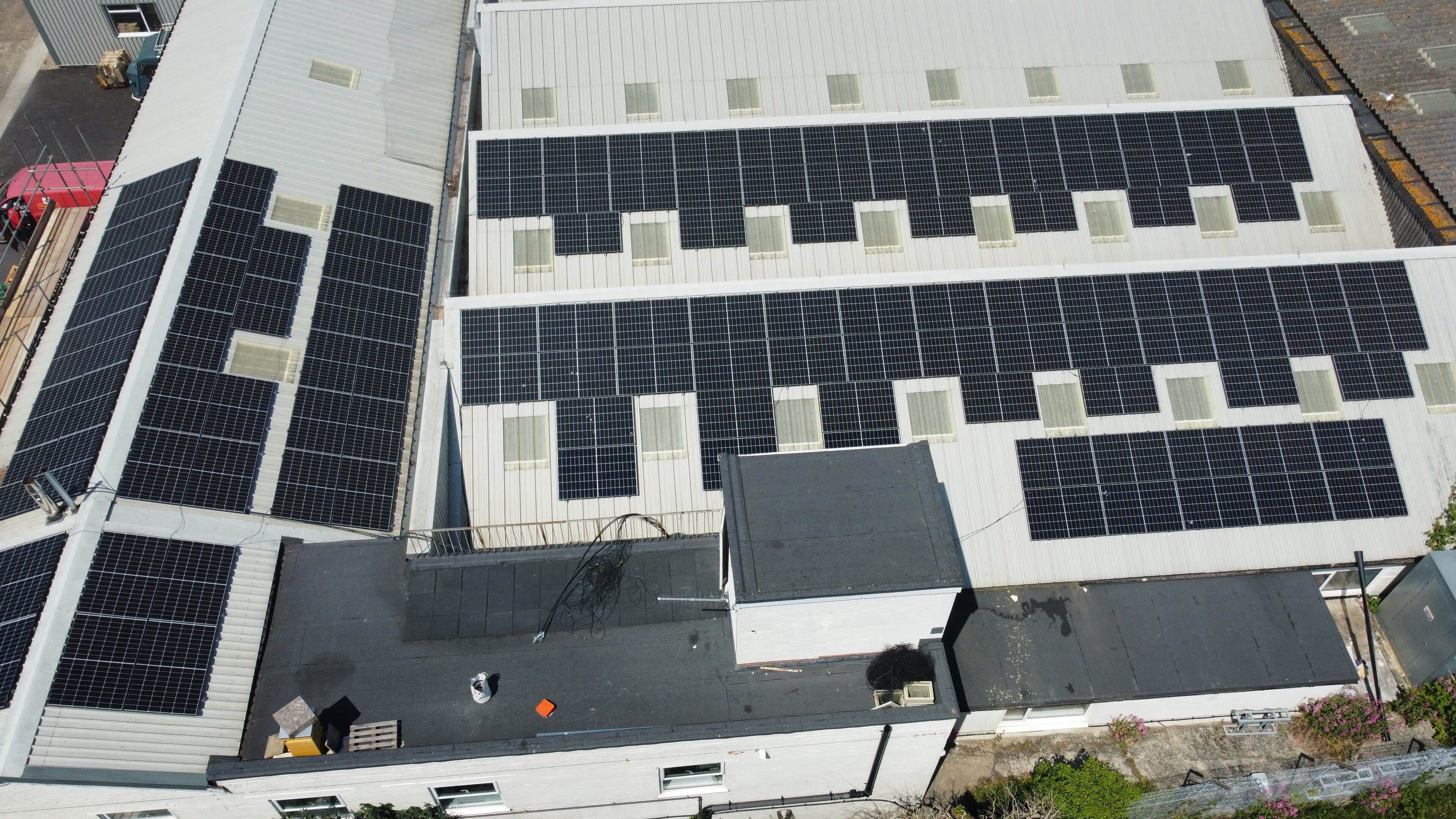
Solar panel
Solar panel Source

However, the allure of silver comes with significant risks, primarily due to its notorious volatility. Often described as "gold on steroids," silver tends to exhibit more exaggerated price movements than gold, rising faster during rallies but falling harder during pullbacks. This inherent volatility is amplified by its thinner and less liquid market compared to gold, making it more susceptible to dramatic swings. Industrial demand, while a key driver, can also be a vulnerability, as silver prices are sensitive to global economic downturns and shifts in industrial activity. Other practical risks for investors include storage and insurance costs for physical silver, potentially high premiums over spot prices, and wider bid-ask spreads when selling. Unlike stocks or bonds, silver does not generate income. Furthermore, sustained high silver prices can ironically lead to "thrifting" or substitution efforts by industrial users, potentially dampening future demand.

Analysts hold varied, though largely optimistic, perspectives on silver's trajectory. Elior Manier, an OANDA analyst, observed that while "Normally, silver follows gold's moves, but this time, the strong bounce suggests there is real demand and strong buying interest focused on alternative metals instead." Manier added that silver has "room to test resistance at $90 per ounce." Peter Cardillo of Spartan Capital Securities suggested silver could "soon test $100," attributing this potential to "The rally in AI stocks and silver's growing use within the sector." Analysts at TD Securities noted strong Eastern demand, reporting that "Top traders on the [Shanghai Exchange] have been steady buyers of silver over the past month." David Morrison of Trade Nation acknowledged that despite potential headwinds from rising interest rates and a strong U.S. dollar, the current market momentum is difficult to ignore, suggesting traders might target January's record highs of $120 per ounce if prices surpass $90.

In contrast, J.P. Morgan Global Research forecasts silver prices to average $81 per ounce in 2026, following a nearly 130% increase in 2025. An unnamed J.P. Morgan Commodities Research analyst reportedly cautioned about the metal's future, though further details were not provided.

The dramatic re-evaluation of silver highlights its critical and evolving role in the global economy. As the world pushes towards green energy and advanced technology, silver's unique properties make it indispensable. Its appeal as a tangible asset also solidifies its place in portfolios seeking refuge from economic uncertainty. The confluence of relentless industrial demand and robust investment interest has transformed silver from a quiet secondary metal into a dynamic, high-stakes player.

However, the ride is clearly not for the faint of heart. The metal's inherent volatility, coupled with ongoing supply challenges and global economic shifts, ensures that silver will remain a closely watched and debated commodity. Its journey from historical obscurity to a central role in modern industry and investment is a compelling narrative, but one that promises continued drama in the markets.