CultureThe mid-Atlantic region was hit with severe thunderstorms and intense wind gusts on Wednesday, May 20, 2026, as a strong cold front swept through. This weather system arrived on the heels of record-breaking early season heat that had gripped the area, causing significant disruption and prompting widespread alerts from weather officials.
The National Weather Service office in Mount Holly, New Jersey, initially issued a severe thunderstorm warning at 4:50 p.m. Eastern time. This first alert covered New Castle County in northern Delaware, along with Chester County and Delaware County in southeastern Pennsylvania, and was set to expire at 5:30 p.m. EDT. During this period, meteorologists were tracking a severe thunderstorm near Cochranville, about 13 miles northwest of Newark, Delaware, which was reportedly moving eastward at 15 mph.
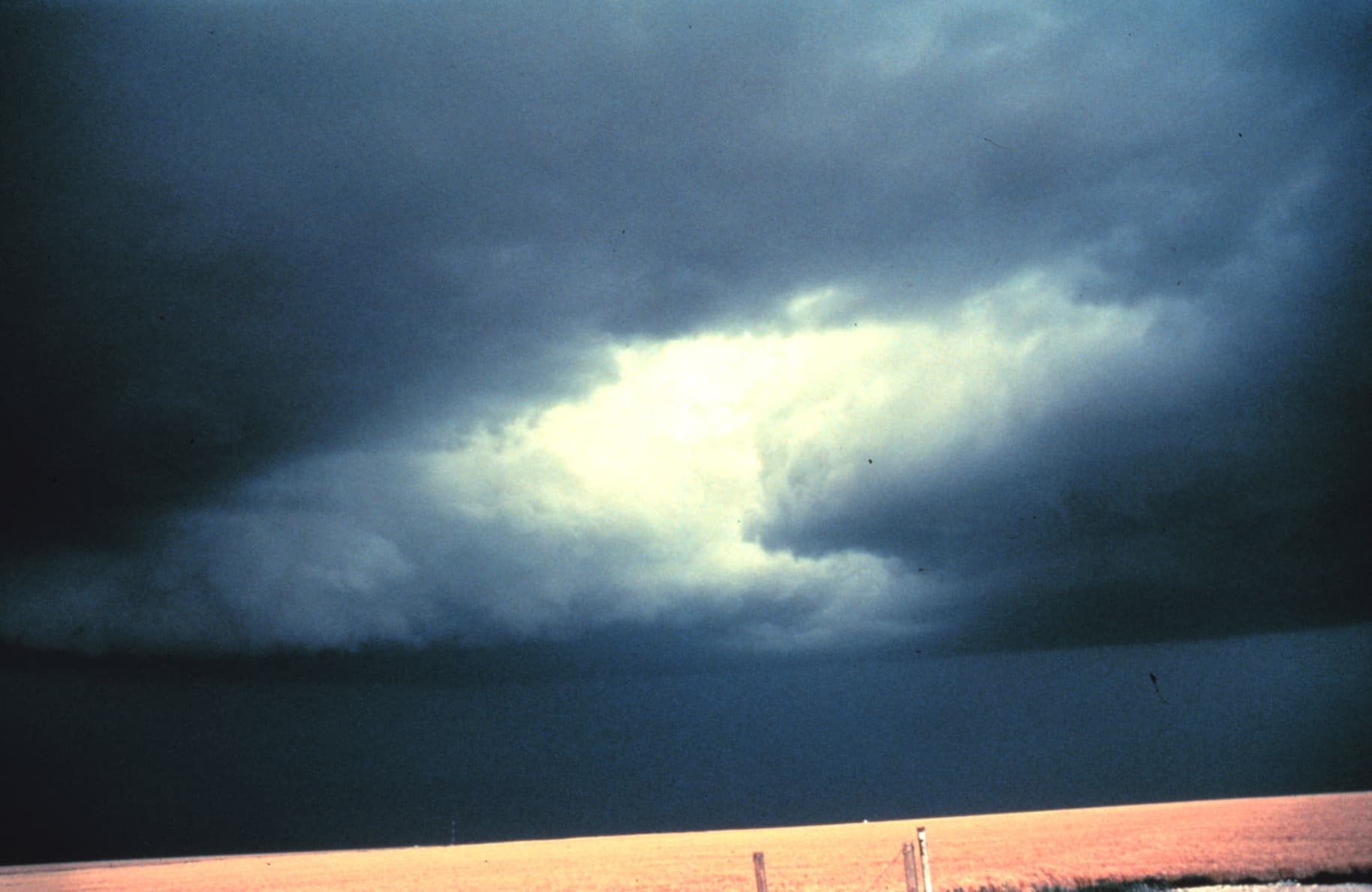
Just before the first warning concluded, at 5:29 p.m. EDT, the National Weather Service issued a second severe thunderstorm warning. This extended advisory encompassed northern New Castle County in Delaware, northwestern Salem County, northwestern Camden County, and Gloucester County in southern New Jersey, as well as southeastern Chester County in Pennsylvania. This warning remained in effect until 6:15 p.m. EDT. Within minutes, at 5:34 p.m. EDT, a new severe thunderstorm was identified near Elkton, moving east at a faster clip of 25 mph, with radar data indicating potential 60 mph wind gusts and hail less than 0.75 inches in diameter. Residents in cities like Wilmington, Newark, Pennsville, Carneys Point, New Castle, and Salem were among those advised to seek shelter in an interior room on the lowest floor of a building.
Prior to the storms, the region had been experiencing an unusual and intense heat wave. Philadelphia, for instance, saw temperatures soar to 95 degrees Fahrenheit on Wednesday, May 20, 2026, breaking a previous record of 94 degrees. This extreme heat led 57 schools within the School District of Philadelphia to transition to virtual learning for the day, ensuring student safety. A heat advisory had also been in effect for areas including New Castle County until 8:00 p.m. that Wednesday, with heat index values projected to reach nearly 100 degrees in inland locations.
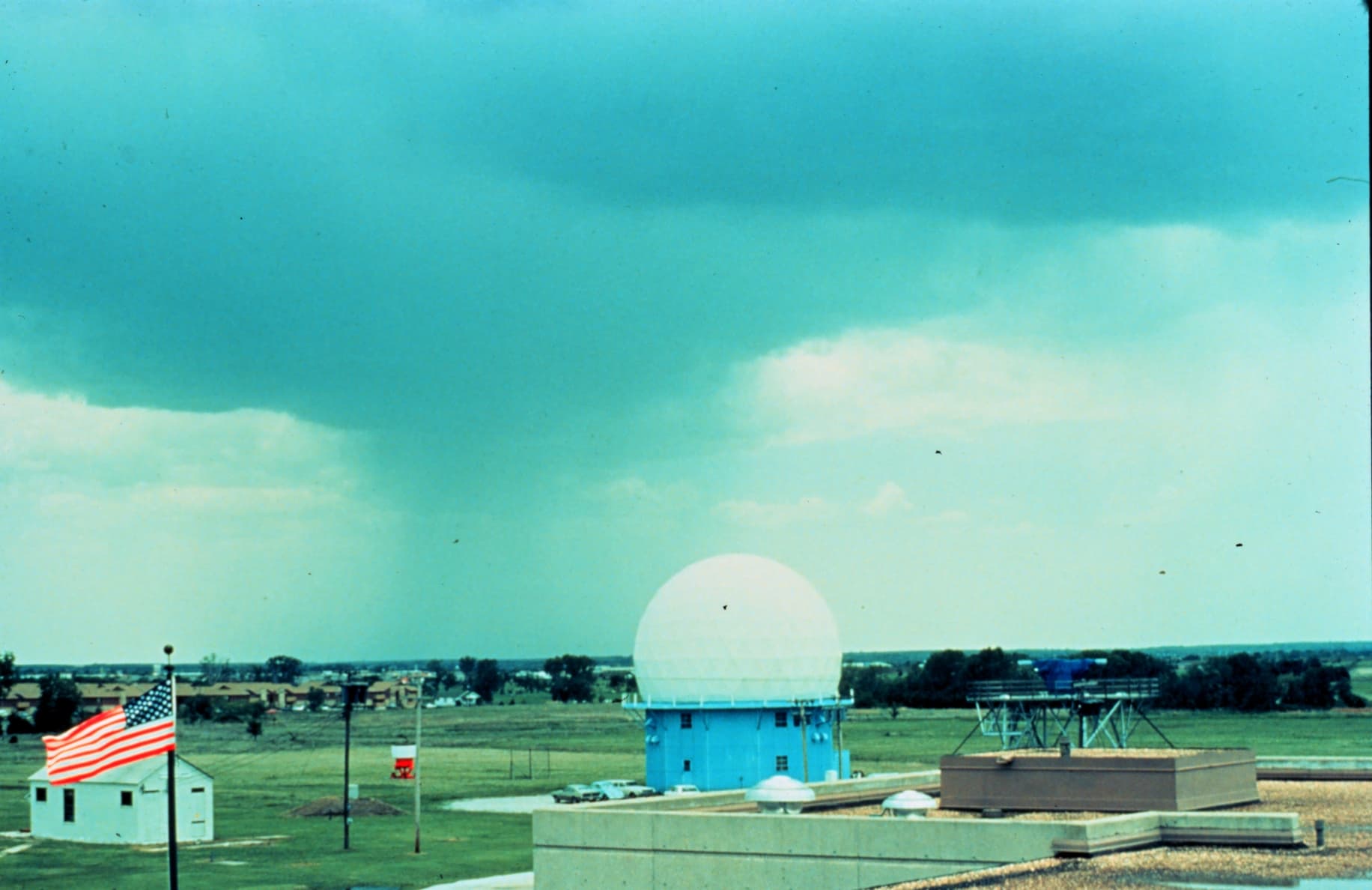
The severe weather was part of a broader system. A severe thunderstorm watch, designated as Watch 235, was active until 9:00 p.m. EDT across a vast area, covering all 21 counties in New Jersey, Kent, New Castle, and Sussex counties in Delaware, and numerous counties in Pennsylvania, including Philadelphia, Bucks, and Chester. The National Weather Service in Mount Holly, New Jersey, confirmed that a strong cold front was pushing into the region throughout the afternoon and evening, expected to bring the showers and thunderstorms that would ultimately break the heat wave. Forecasters primarily highlighted wind gusts of up to 60 mph as the main concern, with radar also indicating the possibility of hail up to 0.75 inches. Some reports even suggested the potential for stronger, localized wind gusts reaching up to 70 mph.

Officials warned that winds of this speed could lead to significant damage. Such gusts are capable of impacting roofs, siding, trees, and power lines, posing risks to property and infrastructure. The National Weather Service underscored the importance of readiness, stating, "Given the intensity of this early season stretch of heat and humidity, we are not fully acclimated to it and therefore impacts could be greater if precautions are not taken." They reiterated, "The main threat is damaging wind gusts," and urged the public to "Make sure you have ways to receive any warnings! And when thunder roars, go indoors."
In addition to the immediate storm threats, an Air Quality Alert (Code Orange) was issued by the Delaware Valley Regional Planning Commission for the Philadelphia Metro area and the southern portion of New Jersey. This alert indicated that air pollution concentrations could become unhealthy for sensitive groups, including children, individuals with asthma, heart disease, or other lung conditions, and the elderly. The NWS also provided guidance for coping with the heat, recommending that people "Drink plenty of fluids, stay in an an air-conditioned room, stay out of the sun, and check up on relatives and neighbors."
The cold front responsible for these storms had already left its mark on the central United States, where it reportedly generated severe weather, including tornadoes in Nebraska and Kansas, and wind gusts up to 90 mph in parts of the Midwest. The arrival of this powerful system was expected to usher in a noticeable shift in temperatures, with cooler air anticipated to follow the front and persist into the upcoming Memorial Day weekend. This significant weather event drew commentary from various experts, including Chief Meteorologist Paul Williams of CoastTV and Meteorologist Grant Gilmore of CBS Philadelphia, while NWS staff like Fitzsimmons and Lambert were instrumental in issuing the critical warnings and watches.