 Culture
Your Savings Account Is Holding You Back
Your bank account might be costing you. For years, keeping cash in a standard savings account barely registered a return, with interest rates so low the difference between checking and savings was negligible. That era is over, but millions of Americans are still operating as if it isn't, missing out on substantial earnings.
As of mid-May 2026, the financial landscape has shifted dramatically. One-year Treasury bills are yielding around 3.8%, while six-month bills are close behind at 3.75%. Yet, many traditional savings accounts continue to offer an abysmal national average of just 0.38% to 0.61% APY. The contrast is stark: a $10,000 balance in a typical low-yield account might earn a mere $1 per year, while the same amount in a high-yield online savings account, which can offer up to 5.00% APY, could net approximately $410 annually. This disparity highlights a critical financial oversight that is impacting consumers' ability to grow their wealth.
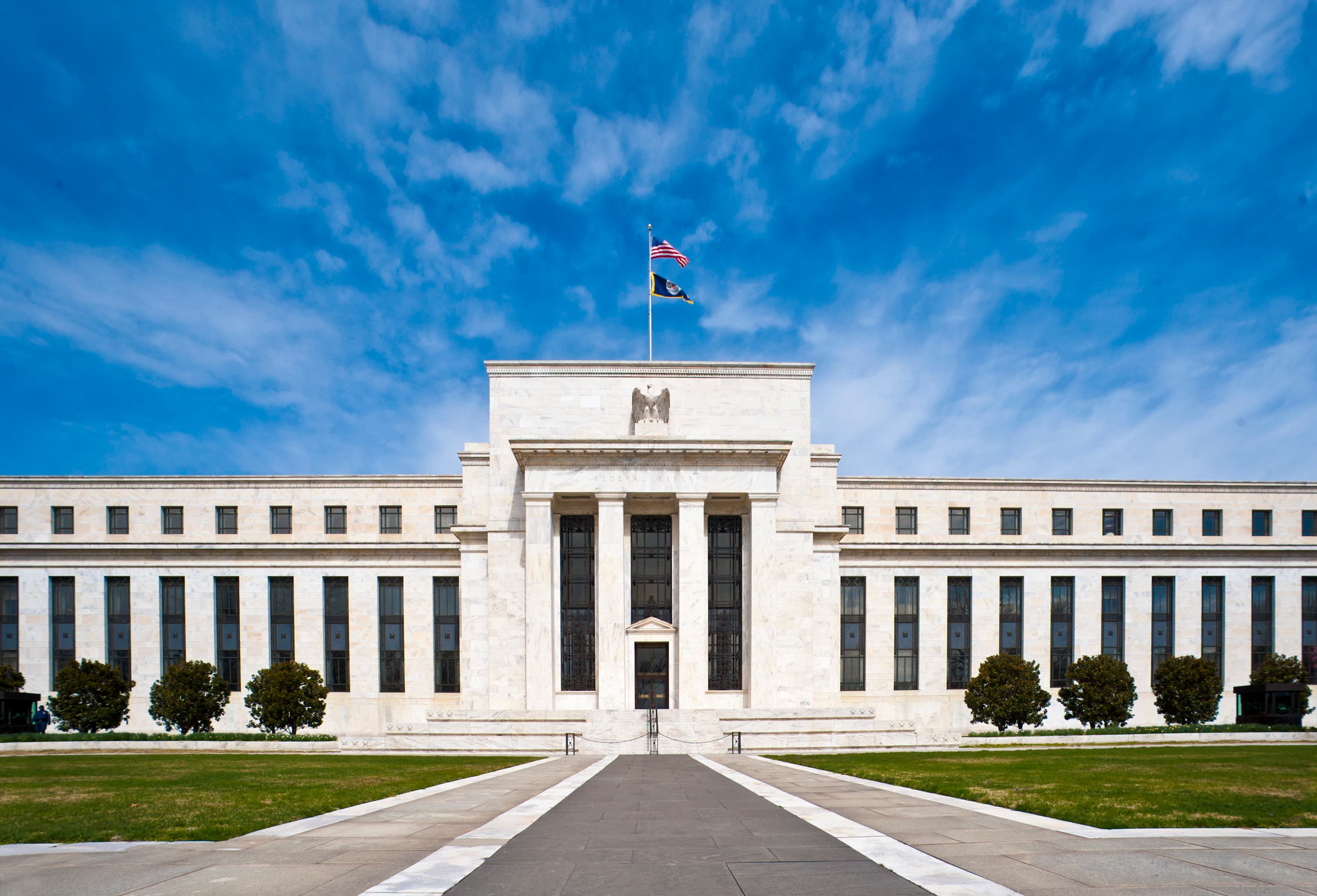
The Federal Reserve kicked off an aggressive series of interest rate hikes in March 2022, implementing 11 increases to combat inflation in the wake of the pandemic. This pushed the federal funds rate to a peak range of 5.25% to 5.50% by July 2023. Following this period, the Fed began to ease its monetary policy, making its first rate cut of 0.50% in September 2024. Five more cuts followed over the next year, bringing the federal funds rate down to a range of 3.50% to 3.75% by January 2026, marking its lowest point since 2022.
The Fed maintained this 3.50% to 3.75% target range for a third consecutive meeting in April 2026. However, minutes from that April FOMC meeting revealed a majority of Fed officials indicated that if inflation persisted above 2%, some policy firming might become necessary. There was also a notable dissent, with Governor Miran voting to lower rates by 25 basis points and three other members objecting to language suggesting a future easing bias. By May 2026, market expectations had shifted; federal funds rate futures contracts began to price out near-term interest rate cuts, instead anticipating potential rate hikes, partly due to oil prices increasing over 50% since a conflict in Iran began.
Kevin Warsh was sworn in as Fed chair in May 2026, replacing Jerome Powell, and traders were reportedly betting that the first move under Warsh's leadership would be an interest rate increase. John Briggs, head of US rates strategy at Natixis, expressed skepticism about a single hike, stating, “If the Fed is going to raise rates because of inflation worries, it's not going to do it once. It's going to do it two or three times.” This indicates a potential for further volatility in rates, making competitive savings even more crucial.
The persistent challenge of inflation further underscores the urgency of this issue. If the interest earned on savings fails to keep pace with inflation, the real purchasing power of that money diminishes over time, making financial goals harder to reach. Reports indicate that over 3 in 5 Americans believe their money in bank accounts is not keeping up with inflation. A 2025 banking survey supports this sentiment, finding that nearly 80% of people would save more if their accounts offered higher interest rates.
John Kiernan, an editor at WalletHub, observed the disconnect, noting, “Bank accounts are still a lot more attractive than most people realize. You can easily find an online savings account with an annual percentage yield above 3.5%, yet many consumers are still earning interest at a rate closer to the market average of 0.38%. It's no wonder that more than 3 in 5 people say the money in their bank account is not keeping up with inflation.” This highlights a clear gap between available options and common practice.
Consumer behavior is starting to reflect a growing awareness, with many individuals opting to move their funds from traditional bank accounts into higher-yielding alternatives. These include U.S. Treasury bonds, certificates of deposit (CDs), and money market funds. This shift is partly a response to traditional banks not offering competitive rates on their conventional savings accounts. The US personal savings rate has seen a sharp decline in 2026, falling from 4.5% in January to 3.9% in February, and further to 3.6% in March. This is less than half the long-run average of approximately 8.4% dating back to 1959, raising concerns among economists and investors about consumer resilience in the event of an economic downturn.
This broader context emphasizes the critical role of financial literacy, which encompasses an individual's understanding of money topics like budgeting, managing bank accounts, and investing. Experts such as Karen Bennett and Pippin Wilbers from Bankrate, and Erin Bendig from Forbes Advisor, regularly cover these subjects, stressing the importance of informed financial decisions. Recognizing that savings accounts are primarily for long-term money storage to earn interest, and actively seeking competitive options, is fundamental.
The current economic climate demands that individuals take proactive steps to protect and grow their wealth against inflation, rather than passively accepting the low returns offered by many standard bank accounts. The difference between minimal returns and substantial earnings is often just a few clicks away, underscoring the necessity of staying informed and financially agile in a rapidly changing market.