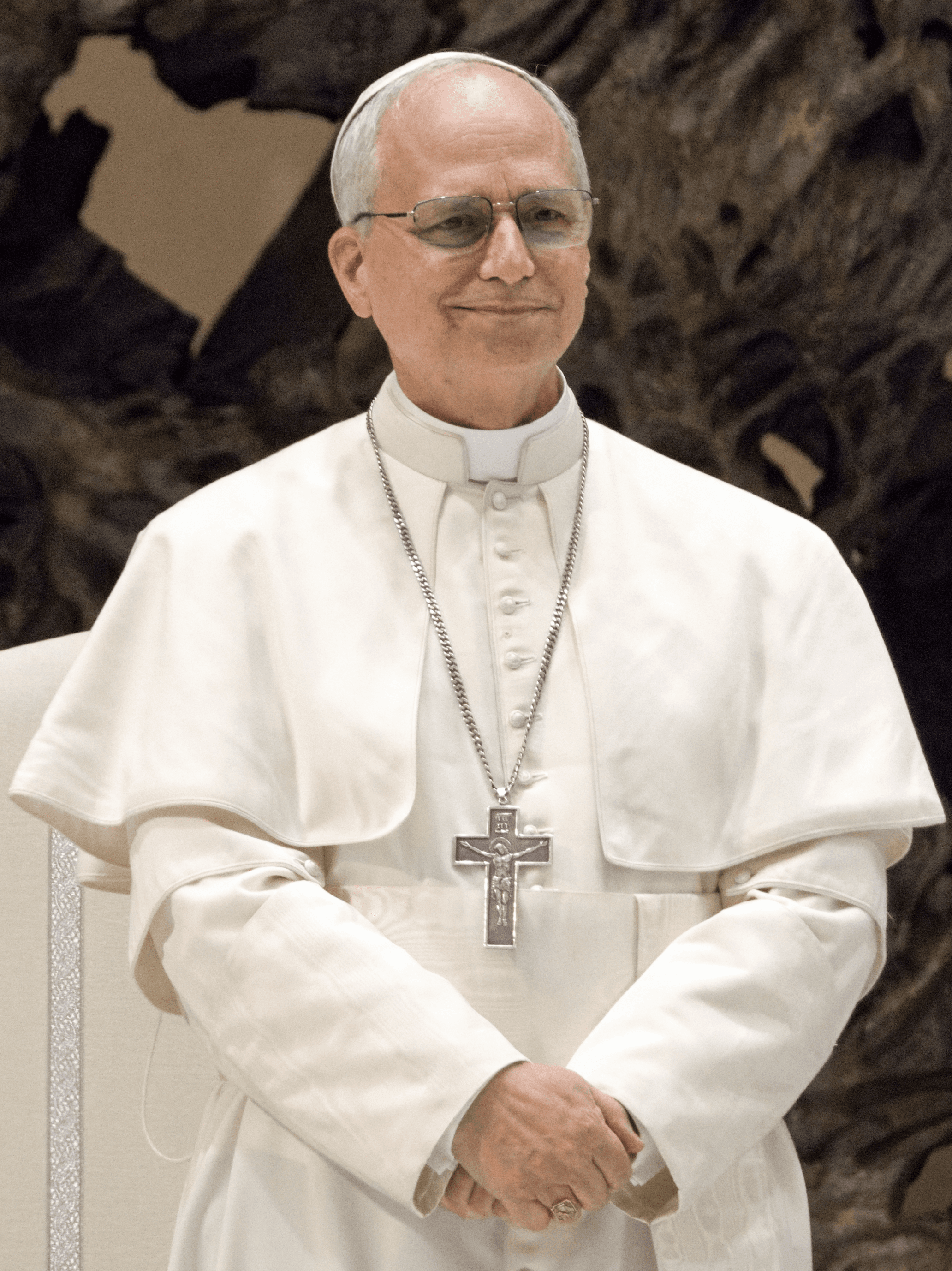
CulturePope Leo XIV just made history, becoming the first pontiff to publicly apologize for the Vatican's direct role in legitimizing slavery. This isn't some vague statement; it's a direct admission of the Holy See's complicity in a historical atrocity.
The American-born pontiff delivered this unprecedented apology in his inaugural encyclical, titled "Magnifica Humanitas," which was released on a recent Monday. In the document, Pope Leo XIV didn't mince words, characterizing the Church's historical record on slavery as "a wound in Christian memory" that the institution can no longer ignore or brush off. This marks a significant departure from previous statements, as it goes beyond a general expression of regret for the actions of individual Christians.

Instead, the encyclical constitutes an explicit and unequivocal admission that previous popes actively granted European kings the authority and permission to conquer territories in Africa and to enslave non-Christian peoples. This provided a religious and legal justification for their actions, laying the groundwork for widespread human rights abuses. The historical documentation supporting this assertion dates back centuries, with specific papal pronouncements providing the framework for these actions.
In 1452, Pope Nicholas V issued the papal bull known as "Dum Diversas." This document explicitly authorized Portuguese rulers to invade, conquer, and enslave individuals identified as "infidels." This controversial authority was further reinforced just three years later, in 1455, by another papal bull, "Romanus Pontifex." These foundational papal documents, "Dum Diversas" and "Romanus Pontifex," subsequently served as the bedrock for the infamous Doctrine of Discovery.
This legal framework, deeply rooted in these papal pronouncements, provided the justification for the widespread colonization of entire continents and the systemic dehumanization of indigenous populations. It enabled them to be treated as chattel and property rather than human beings with inherent rights, shaping centuries of global history and contributing to immense suffering. Historical records indicate that multiple popes succeeding Nicholas V, including Callixtus III, Sixtus IV, and Leo X, either confirmed or renewed these permissions, perpetuating the institutional endorsement of slavery across generations.
Pope Leo XIV's apology also drew a direct line from this historical atrocity to contemporary forms of slavery. Reports indicate that he specifically referenced the horrific trans-Atlantic slave trade alongside what he termed new manifestations of slavery, which are fueled by the digital revolution. He highlighted examples such as unregulated labor employed in the mining of rare minerals that are essential for the production of AI chips, connecting past injustices to present-day exploitation.
The pontiff expressed that it is impossible not to feel deep sorrow about the immense suffering endured by enslaved people throughout history, and he formally asked for pardon on behalf of the Church. He also acknowledged the significant delay in the Church's recognition of this fundamental incompatibility, noting that it took eighteen centuries for the institution to officially recognize that slavery is fundamentally at odds with Christian doctrine. This lengthy period underscores a profound historical oversight and the slow, often painful, evolution of the Church's stance on human rights.
Adding a profound personal dimension to this historic apology, Pope Leo XIV's own background reveals a direct connection to the complex and painful history of slavery. Genealogical research has brought to light that seventeen of his American ancestors were Black, and his extensive family tree encompasses individuals who were both subjected to enslavement and those who were slave owners. This personal heritage imbues his statements with a unique and deeply resonant significance, linking his pontificate directly to the historical injustices he addressed with such gravity.
While the Vatican formally rejected the Doctrine of Discovery in 2023, it had not, until now, officially rescinded the original papal bulls that underpinned it. Pope Leo XIV's actions make it unequivocally clear that these historical documents represent an indelible stain on the Church's conscience, demanding forthright acknowledgment and repudiation. This move is seen as a crucial step in rectifying historical wrongs and confronting the Church's past complicity.
The pope concluded his powerful message with a stark warning, stating that if the Church fails to firmly condemn modern forms of slavery linked to technology, future generations will inevitably be compelled to seek yet another apology. His words emphasize the ongoing responsibility of the Church to champion human dignity and combat all forms of exploitation, both past and present.