 Culture
Platinum ETF's Big Gains Come With a Hidden Cost
The abrdn Platinum ETF Trust, known by its ticker PPLT, has been turning heads in the financial world, racking up an impressive 84% gain over the past year. This surge in value has captured the interest of many investors, including those typically focused on generating income. But for those looking for a regular payout, reports indicate a significant detail often overlooked: PPLT does not pay dividends, a factor dubbed a "costly catch" for income-focused portfolios.
Launched on January 8, 2010, the abrdn Platinum ETF Trust, also referred to as abrdn Physical Platinum Shares ETF, is structured as a grantor trust. This means investors hold a direct beneficial interest in physical platinum bullion. The actual platinum bars are securely stored in allocated accounts within JPMorgan Chase vaults located in London. The fund's primary goal is straightforward: to mirror the market price performance of physical platinum, after accounting for the trust's operational expenses.
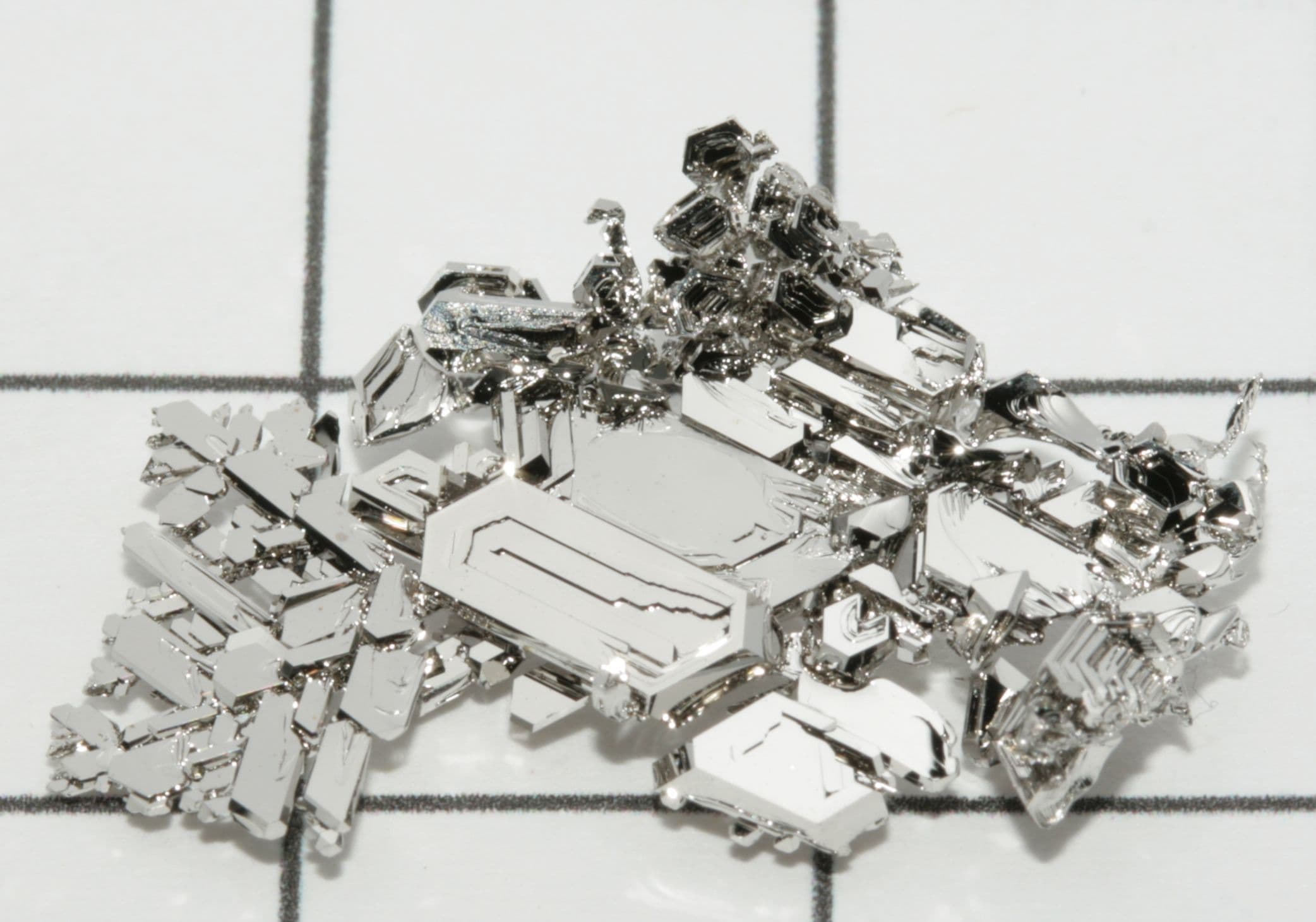
The absence of income is a direct result of PPLT's fundamental design. As a physically backed commodity trust, it holds only platinum bars and lacks the underlying cash flows, coupon payments, options premiums, or portfolio companies that typically generate dividends. Consequently, PPLT maintains a dividend yield of 0.0% with a distribution frequency explicitly listed as "None." Publicly available financial data consistently confirms, "No dividends history available," and "The ETF does not pay dividends," with any appearing yield figures often attributed to data rounding quirks.
Instead of distributing income, the trust covers its annual expense ratio, which stands at approximately 0.60%, by periodically selling small portions of its platinum holdings. This operational necessity means that the amount of metal backing each share gradually decreases over time. This characteristic leads to what is known as "tracking error," causing the fund to underperform the spot price of physical platinum over extended periods. For example, over a five-year stretch concluding on November 4, 2025, PPLT reportedly lagged the spot price of platinum by 9.73%.
Despite the lack of income, PPLT's substantial capital appreciation has made it a compelling option. Platinum has emerged as one of the strongest performers within the precious metals complex. Beyond its 84% gain in the last year, the ETF has delivered a 62% return over five years. Calculations suggest that a $1,000 investment held for five years would have grown to approximately $2,457, representing an annualized return exceeding 18%. For some investors, this level of rapid capital growth in a single year can effectively outweigh a decade's worth of typical dividend yield from other investments, presenting a unique trade-off.

The rally in platinum prices is largely driven by a structural supply deficit in the market. Bank of America Securities, for instance, has projected platinum prices could reach $2,450 per ounce by 2026. This forecast is underpinned by stagnant mine production, particularly in South Africa, combined with consistent demand from the automotive sector. Industry analysis indicates that 2026 marks the fourth consecutive year of a supply shortfall, with further deficits anticipated from 2027 onward. This scarcity narrative, alongside persistent inflation and elevated oil prices, has significantly boosted platinum's appeal.
PPLT stands as the largest platinum-focused ETF, managing approximately $1.6 billion in assets as of September 2025, a figure that grew to around $1.94 billion by November 4, 2025. The fund has seen robust net inflows, exceeding $100 million in 2025. Its high daily trading volume, averaging 357,000 shares, contributes to narrow bid-ask spreads and lower transaction costs, factors that enhance its attractiveness for both short-term traders and long-term investors.
However, investors should be mindful of the tax implications. For U.S. investors, gains derived from PPLT holdings are typically subject to the higher collectibles tax rate, rather than the more favorable long-term capital gains rates applied to traditional stocks and bonds. Holding PPLT within tax-advantaged accounts, such as IRAs or 401(k)s, can help to mitigate these higher tax rates.
Market observers have also noted other developments. A Seeking Alpha analyst reportedly downgraded PPLT to 'Hold' in May 2026, following its significant surge—over 100% in the preceding year—with the analyst suggesting that platinum had largely caught up to the gains seen in gold and silver, which were driven by geopolitical energy shocks. The Iran war, which commenced in late February 2026, was also cited as influencing platinum's trading behavior, showing a high negative correlation to oil and trading in line with long bonds.
In a move to improve accessibility, the abrdn Physical Platinum Shares ETF (PPLT) implemented a 10-for-1 forward share split, effective May 18, 2026. This action increased the total shares outstanding from 13.7 million to 137 million and adjusted the Net Asset Value (NAV) to approximately $17.86 per share, effectively lowering the per-share price. While PPLT offers substantial capital appreciation potential driven by platinum's market dynamics, investors must weigh these gains against the absence of income and the unique tax and structural characteristics of this commodity-backed trust.