Home
Explore
Notifs
Profile

Black-owned · Built for the global diaspora · Curated pins from Black and melanated creators across hair, style, beauty, home, and art.

Formerly Melaninterest.com

m
melanin
AboutHelpTermsPrivacyCommunity GuidelinesCreators

© 2026 Melanin. All rights reserved.

Mmelanin
HomeExploreCreatorsNewsCreate
Ctrl+K
Log inSign up
Mmelanin
HomeExploreCreatorsNewsCreate
Ctrl+K
Log inSign up
Pizza Hut Franchisee Revives 80s & 90s Dine-In Vibe — Melanin News | Melanin
Mmelanin
HomeExploreCreatorsNewsCreate
Ctrl+K
Log inSign up
All news
Pizza Hut Franchisee Revives 80s & 90s Dine-In VibeCulture

Pizza Hut Franchisee Revives 80s & 90s Dine-In Vibe

1w ago

Remember when a trip to Pizza Hut meant more than just grabbing a quick pie? For many, it was a full-on family event, complete with red vinyl booths, arcade games, and those iconic Tiffany-style lamps. That beloved retro vibe is making a comeback, thanks to one franchisee determined to turn back the clock and bring back the sit-down magic.

Daland Corporation, a Kansas-based Pizza Hut franchisee, is leading a widespread effort to transform approximately 80 of its restaurants into "Pizza Hut Classic" locations. This ambitious initiative aims to meticulously recreate the nostalgic dine-in experience that defined the chain for generations during the 1980s and 1990s. The company, which operates 93 Pizza Hut restaurants across several states, has already completed remodels on 38 of its locations, with plans to expand the retro concept to over a third of its total portfolio.

Pizza Hut
Pizza Hut Source

The transformation goes deep, outfitting these spots with design elements that were once hallmarks of Pizza Hut's dining rooms. Customers can expect to see the return of red vinyl booths, classic checkered tablecloths, and the distinctive Tiffany-style stained-glass hanging lamps. Many of the revamped restaurants also feature fully restored salad bars, a signature part of the dine-in experience before the chain largely shifted its focus to delivery and takeout services. To truly complete the throwback, some locations are also bringing back vintage Pac-Man arcade machines and the chain’s signature red plastic cups, alongside celebrating the enduring "Book It" program, which rewards young readers with free personal pan pizzas.

This revival isn't limited to Daland Corporation alone. Another franchisee, Emerge Inc., which manages nearly 30 Pizza Hut locations in Arizona, is also in the process of converting three of its restaurants in Tucson, Willcox, and Yuma into "Classic" dine-in spots, with work expected to be finished in the coming weeks. While Daland Corporation is making a significant push now, the first known "Pizza Hut Classic" remodel actually opened its doors back in Ashdown, Arkansas, in 2019. Since then, reports indicate that over 140 locations nationwide have quietly adopted this retro design concept, signaling a growing trend.
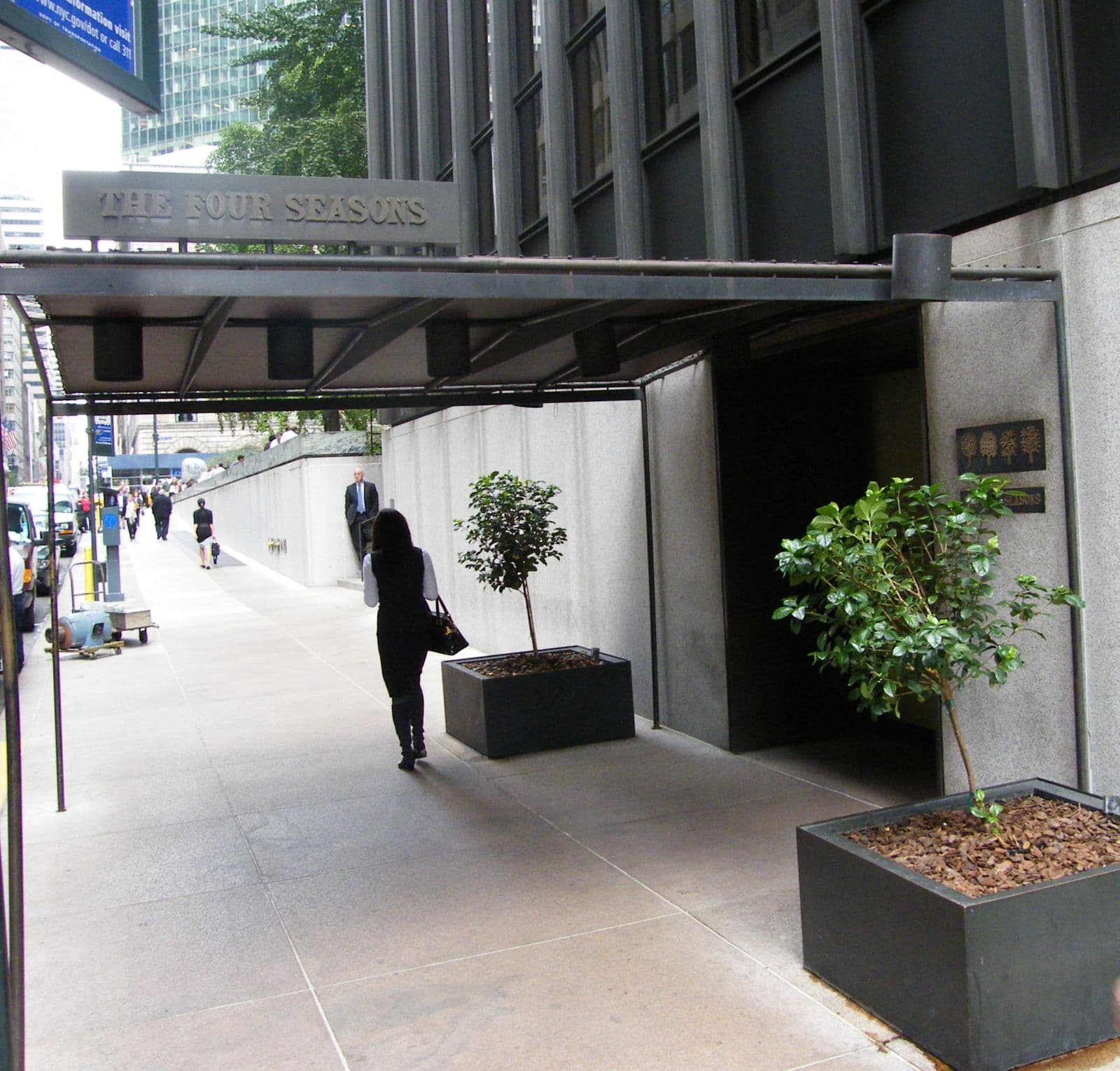
This nostalgic pivot comes at a particularly challenging period for Pizza Hut and its parent company, Yum Brands. Recent earnings reports have painted a picture of struggle for the pizza giant compared to Yum Brands' other restaurant chains. The company has seen declining U.S. same-store sales and a significant drop in operating profits in its latest quarter, prompting Yum Brands to announce a review of strategic options to improve performance. Earlier in the year, the company had also revealed plans to close 250 locations across the country, underscoring the pressures it faces.

Four Seasons Restaurant
Four Seasons Restaurant Source

For more than a decade, the broader pizza industry has witnessed a pronounced shift towards delivery and app-based ordering. This trend has steadily pushed Pizza Hut out of its traditional dine-in comfort zone, where it once thrived as a family destination. By 2018, dine-in business reportedly represented only a mere 10% of Pizza Hut's overall operations, a stark contrast to its heyday. This industry-wide move towards convenience and off-premise consumption has forced many traditional sit-down establishments to adapt or risk being left behind.

Tim Sparks, president of Daland Corporation, whose history with Pizza Hut dates back to 1983 when he began as a dishwasher, is spearheading this particular retro movement. His vision for these vintage-inspired locations is rooted in a fundamental belief that Pizza Hut's core identity was built around the sit-down restaurant experience, rather than solely focusing on the efficiency of delivery. He suggests that the heart of the brand lies in the communal dining experience it once offered to families across America.

Sparks has openly shared his motivation for this revival, emphasizing the importance of family connection in an increasingly digital world. "If we can get them in here as a family, they do tend to put their phones down and actually have conversations and speak with each other," he explained. He humbly added, "I'm not going to tell you I know how to fix the world. But I do think that family is a good place to start," highlighting the deeper social aim behind the business strategy. The appeal of these retro spots is reportedly significant, with Sparks noting, "People come from two and three hours away, and I'm not making that up," underscoring the powerful draw of nostalgia.

He further detailed the meticulous efforts to bring back the past, stating that "Classic restaurants are designed to bring back the nostalgic Pizza Hut experience from the 1980s and 1990s," including specific details like "the return of the iconic red plastic cups, checkerboard tablecloths, red candles, iron table organizers, and the classic Tiffany-style lamps." The public reaction has been overwhelmingly positive, with customers and online influencers sharing videos and photos that have garnered millions of views. Social media buzz indicates fans are indeed traveling considerable distances, sometimes hours, to revisit the restored locations and relive cherished childhood memories.

Despite the broader industry shift, Daland Corporation's retro strategy stands as a notable counter-trend, emphasizing in-person dining and the powerful pull of nostalgia as a means to reconnect with customers. Reports indicate that these retro-themed restaurants have quickly become some of Daland Corporation's strongest-performing locations, proving that there is a significant appetite for this type of experience. The cost for these detailed redesigns is estimated to be between $90,000 and $95,000 per location, an investment that appears to be paying off.

This success aligns with a broader consumer interest in retro dining experiences and family-oriented spaces that actively encourage in-person interaction, a trend that some analysts project will continue into 2026. Yum Brands itself has acknowledged this growing inclination towards nostalgia, noting that other brands within its portfolio, such as Taco Bell and KFC, are also tapping into similar retro sentiments in their own ways. While Pizza Hut's corporate leadership has not yet announced a widespread return to retro designs across the entire chain, executives have publicly recognized the deep emotional connection many customers share with the brand's dine-in past.

The revival of these "Pizza Hut Classic" locations represents more than just a marketing gimmick; it's a bet on the enduring power of shared memories and the desire for genuine human connection in a fast-paced world. As one franchisee demonstrates that turning back the clock can actually move the business forward, it remains to be seen if this localized success will inspire a broader corporate embrace of the past to secure a stronger future for the iconic pizza chain.