Home
Explore
Notifs
Profile

Black-owned · Built for the global diaspora · Curated pins from Black and melanated creators across hair, style, beauty, home, and art.

Formerly Melaninterest.com

m
melanin
AboutHelpTermsPrivacyCommunity GuidelinesCreators

© 2026 Melanin. All rights reserved.

Mmelanin
HomeExploreCreatorsNewsCreate
Ctrl+K
Log inSign up
Mmelanin
HomeExploreCreatorsNewsCreate
Ctrl+K
Log inSign up
Philadelphia Schools Shift Online as Record Heat Grips City — Melanin News | Melanin
Mmelanin
HomeExploreCreatorsNewsCreate
Ctrl+K
Log inSign up
All news
Philadelphia Schools Shift Online as Record Heat Grips CityCulture

Philadelphia Schools Shift Online as Record Heat Grips City

2w ago

Philadelphia students found themselves back at home for class this week as a brutal heatwave forced the School District of Philadelphia to shift dozens of schools to virtual learning. The decision, impacting over a quarter of the city’s district-operated schools, came as temperatures soared to historic highs, posing significant safety concerns for students and staff alike.

On Wednesday, May 20, 2026, 57 schools, including early childhood centers, transitioned to remote instruction. All in-person after-school activities and athletic programs for the day were also canceled, as the city grappled with conditions described as unhealthy for sensitive groups under a Code Orange air quality alert. This marked the first major heatwave of the 2026 season and the earliest such sustained heat since 2017.
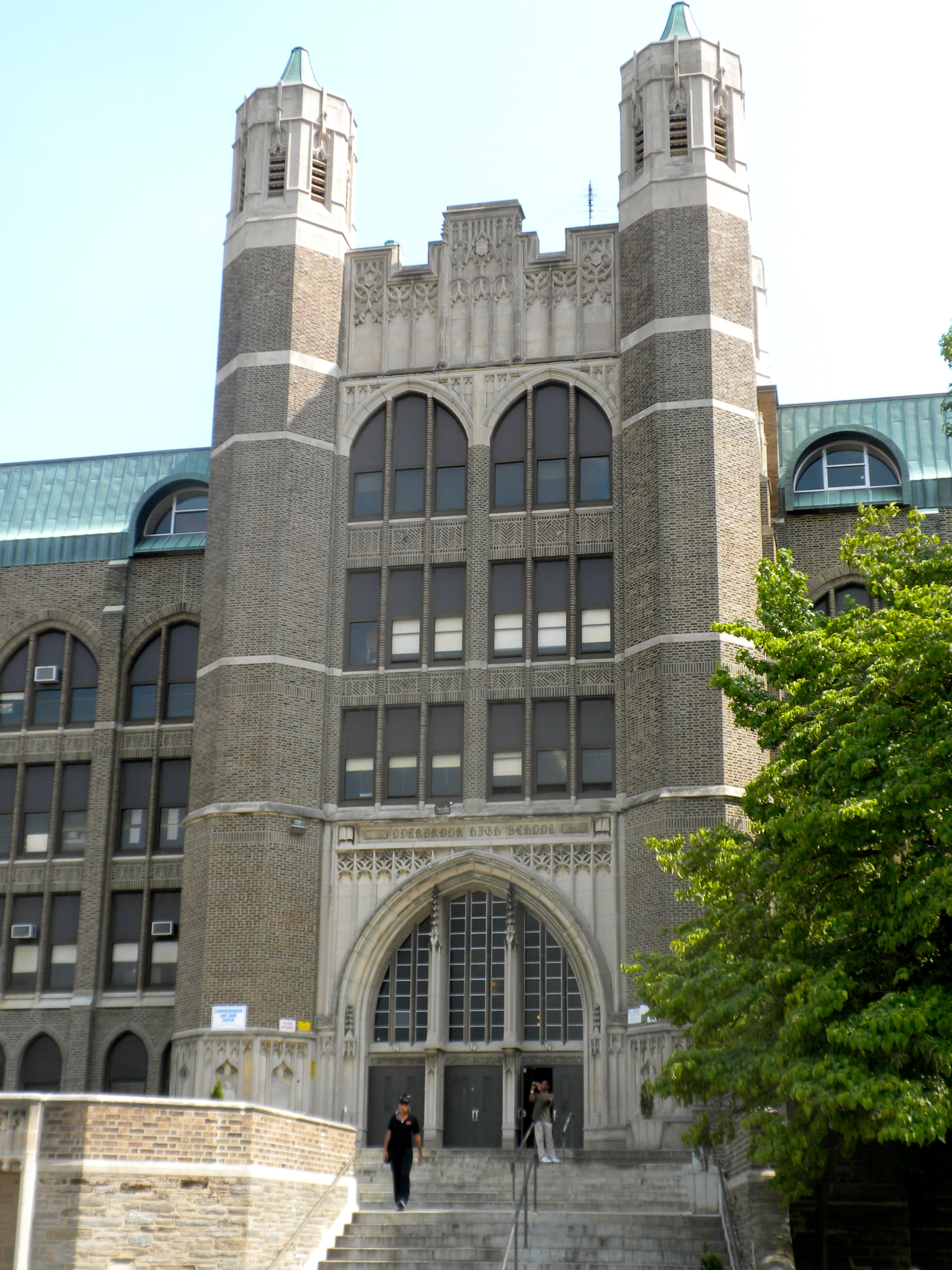
Overbrook High School (Philadelphia)
Overbrook High School (Philadelphia) Source

The heatwave began on Monday, May 18, when Philadelphia hit 96 degrees Fahrenheit, breaking the previous 1962 record of 94 degrees for that date. Temperatures climbed even higher on Tuesday, May 19, reaching a scorching 98 degrees Fahrenheit, which surpassed the all-time May record of 97 degrees set in 1991. Forecasts for Wednesday indicated continued heat, with predictions in the mid-90s.

The primary driver behind these closures is the chronic issue of inadequate cooling systems in many of Philadelphia's aging school facilities. The School District of Philadelphia has openly acknowledged that between 52 and 63 of its buildings still lack sufficient air conditioning to safely accommodate students during extreme heat. District policy dictates early dismissal if outside temperatures are expected to reach or exceed 85 degrees Fahrenheit by noon, or a shift to remote learning if temperatures are projected to hit or exceed 85 degrees Fahrenheit by 9:00 a.m.

Oz Hill, the Deputy Superintendent of Operations for the School District of Philadelphia, communicated the move to virtual learning in a letter to families on Tuesday evening. Hill stated, "While the School District of Philadelphia acknowledges that in-person learning is the best option for students, the safety and well-being of our students, staff, and families remains our top priority." He emphasized that the decision was made "out of an abundance of caution, and in order to ensure the safety of our entire school community." Students had been advised to take their district-issued Chromebooks home on Monday, May 18, in preparation for potential remote learning days, with technical support centers remaining open for device assistance.
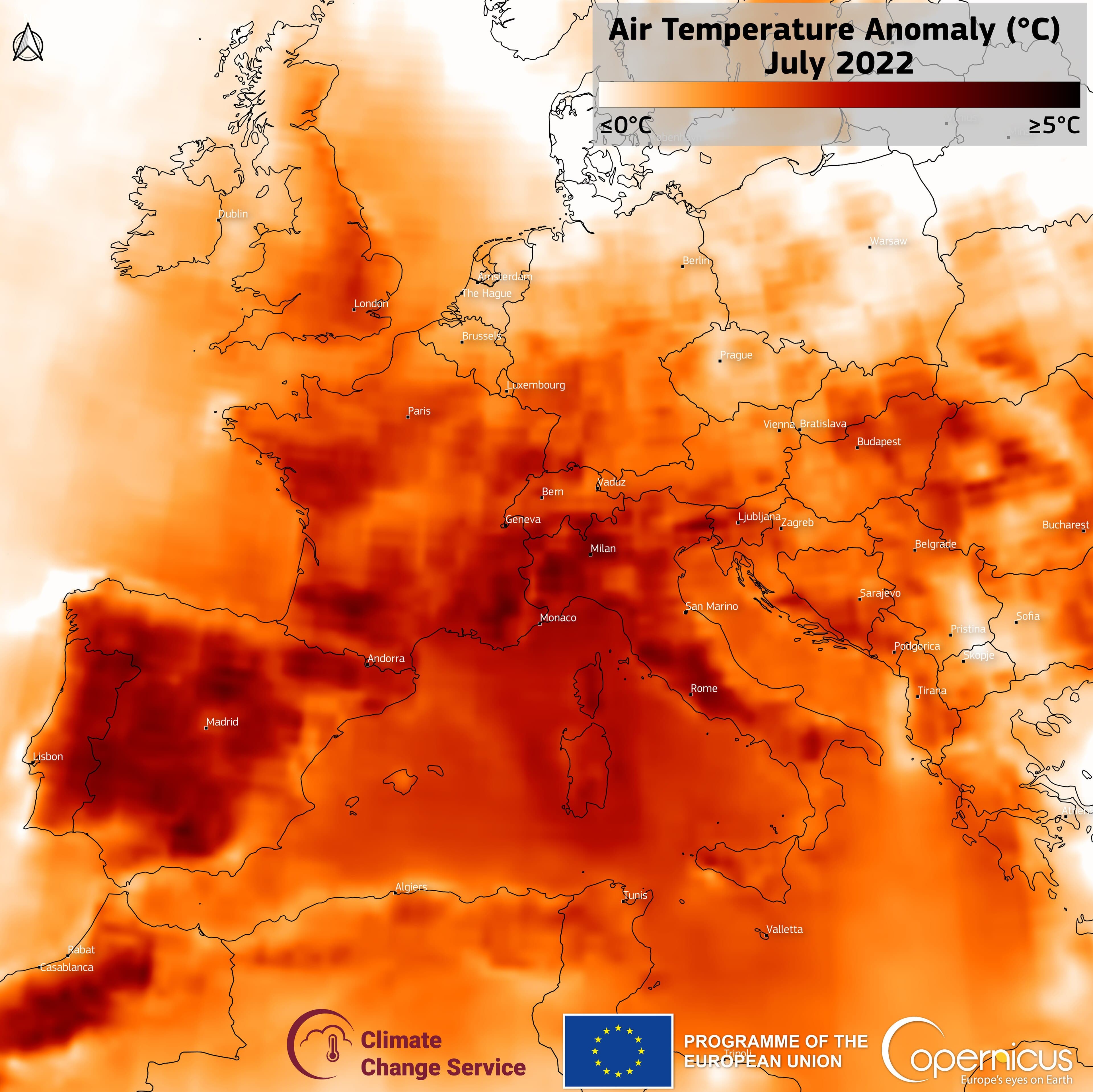
2022 European heatwaves
2022 European heatwaves Source

The district's handling of the heatwave drew criticism from public figures. Arthur Steinberg, President of the Philadelphia Federation of Teachers, voiced his concerns, stating that the district failed to declare a heat emergency on Monday, May 18, when temperatures first exceeded 90 degrees Fahrenheit. He argued this oversight exposed students and staff to "uncomfortable and dangerously hot conditions." Steinberg had publicly urged the district to declare Wednesday a virtual learning day, asserting, "District administration is directly responsible for mitigating dangerous conditions inside of school buildings. They should declare Wednesday a virtual learning day so that families and staff can plan accordingly."

This infrastructure deficit is a long-standing challenge for the nation's eighth-largest school district, which serves nearly 200,000 students. The average age of school buildings in Philadelphia is roughly 75 years, and many struggle with persistent ventilation and air quality problems. The district has been working on upgrades, with a capital projects plan allocating over $150 million for recommissioning or replacing heating, ventilation, and cooling systems in 20 schools between 2020 and 2026. However, officials have indicated that a complete overhaul, ensuring all district schools are fully air-conditioned, may not be achieved until 2027, partly due to the age of the buildings and insufficient electrical service to support whole-school air conditioning.

The consequences of hot classrooms extend beyond mere discomfort. Research suggests a link between rising temperatures and declines in student learning, along with slower cognitive function. These conditions disproportionately impact minority students, who are reportedly less likely to attend schools with adequate air conditioning, potentially exacerbating existing achievement gaps. Children are also particularly vulnerable to heat-related illnesses. In previous years, excessive heat has led to early dismissals at dozens of Philadelphia schools, including in August 2024, when 63 schools closed early due to high temperature predictions. Efforts to address the issue have seen community support, with Eagles Quarterback Jalen Hurts previously donating $200,000 to assist in installing air conditioning units in some schools.

The ongoing battle with aging infrastructure and extreme weather falls under the purview of Superintendent Tony B. Watlington Sr., who assumed his role in June 2022. Mayor Cherelle L. Parker, who took office in January 2024, has also faced challenges related to extreme weather and city services, including a city worker strike in July 2025 that impacted trash collection during a heatwave and snow cleanup efforts in February 2026. As climate change continues to bring more frequent and intense heat waves, the pressure on the district to modernize its facilities will only intensify, making the safety and learning environment of students a critical ongoing concern for city leaders and families alike.