 CultureCulture
What if the very foods we’re told to eat for health are quietly undermining it? A major study from the Harvard T.H. Chan School of Public Health has brought a concerning issue to light: the potential link between pesticide residues on fruits and vegetables and reduced human fertility. This research suggests that while produce is essential, the way it's grown might be making a difference in our ability to conceive.
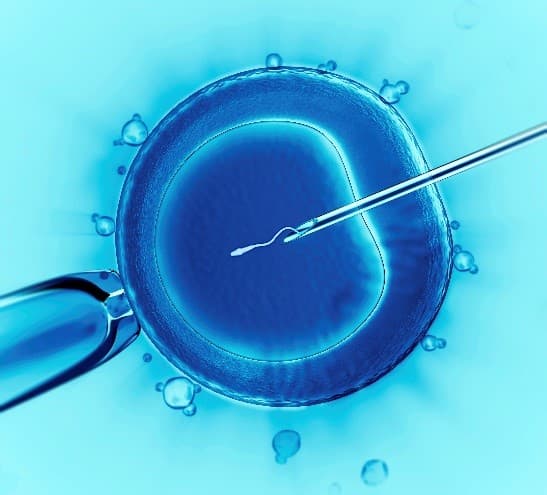
The groundbreaking findings, published in *JAMA Internal Medicine* in October 2017, emerged from the ongoing Environment and Reproductive Health (EARTH) program. Researchers focused on 325 women across the United States who were undergoing assisted reproductive technology (ART) cycles, like in vitro fertilization (IVF). Participants provided detailed dietary information, which was then cross-referenced with the U.S. Department of Agriculture's Pesticide Data Program to estimate their exposure to pesticide residues through food.

The results were striking. Women who regularly consumed between two and six daily servings of fruits and vegetables identified as having high levels of pesticide residue reportedly experienced an 18% lower probability of achieving a clinical pregnancy and a 26% lower probability of a live birth. This was in comparison to women with the lowest exposure. The study also indicated a clear pattern regarding pregnancy loss, with the risk climbing from 7% in the lowest quartile of high-pesticide produce consumption to a concerning 34% in the highest quartile.
Conversely, the research offered a glimmer of hope: women who replaced just one daily serving of high-pesticide produce with a low-pesticide option saw dramatically improved outcomes. These women reportedly had a 79% higher chance of clinical pregnancy and an 88% higher chance of a live birth. Fruits and vegetables commonly categorized as having high pesticide residues, often referred to as the "Dirty Dozen," included strawberries, spinach, green peppers, peaches, plums, potatoes, grapes, string beans, apples, and pears. On the other hand, options considered low in pesticide residues included avocados, onions, dried plums or prunes, corn, orange juice, peas, beans, and grapefruit.
This 2017 study built upon earlier work by the same Harvard team, which had already explored the impact on male fertility. A study published in *Human Reproduction* in March 2015, also led by Dr. Jorge Chavarro, focused on 155 men enrolled in the EARTH study at a Boston fertility center. This prior research found that men who consumed more than 1.5 servings per day of high-pesticide fruits and vegetables showed a 49% lower sperm count and a 32% lower percentage of normal sperm, when compared to men who ate less than 0.5 serving per day.
Dr. Jorge Chavarro, an associate professor of nutrition and epidemiology and a senior author on both studies, reportedly admitted his initial skepticism about the potential findings. He stated that he "was always skeptical that pesticide residues in foods would have any impact on health whatsoever" and that he "thought we were not going to find anything." Dr. Chavarro expressed surprise at the outcomes, acknowledging, "While I think we need more studies to confirm or refute our findings, I am now more willing to pay the extra money for organic apples and strawberries than I was when we started this project." Co-author Dr. Yu-Han Chiu emphasized the broader public health implications, noting that "Most Americans are exposed to pesticides daily by consuming conventionally grown fruits and vegetables," and that "Our study provides evidence that this concern is not unwarranted."
Reactions to the findings have been varied. Janet Collins, executive vice president of science and regulatory affairs for CropLife International, a trade association representing pesticide manufacturers, cautioned that the study "does not show a direct link between pesticide residue intake and pregnancy outcome, as the authors state." She described it as a "hypothesis-generating study" that requires further investigation. Conversely, Irva Hertz-Picciotto, a professor at the University of California, Davis, reportedly praised the research as "very well-executed, thoughtful and thorough." She also suggested that "Avoiding pesticides becomes an 'environmental justice' issue, making it all the more important to reduce use of pesticides throughout agriculture and adopt more sustainable and health-promoting methods for food production." Dr. Phillip Landrigan, an epidemiologist and pediatrician from Mount Sinai, viewed the Harvard study as "a warning that our current laissez-faire attitude toward the regulation of pesticides is failing us," particularly as "human fertility is on the decline and that the frequency of reproductive impairment is increasing." The Alliance for Food and Farming, an organization representing both organic and conventional farmers, maintained that "the mere presence of pesticide residues on food does not mean they are harmful."
This body of research underscores a critical conversation about the food we eat and its unseen effects on our bodies. With human fertility reportedly on the decline globally, understanding all contributing factors becomes paramount. The studies highlight how daily dietary choices, seemingly innocuous, can have profound long-term health consequences, particularly in reproductive health. It also brings the environmental justice aspect into focus, suggesting that access to less contaminated food sources could be a significant determinant of health equity.
While the studies do not advocate for avoiding fruits and vegetables altogether, they strongly suggest making informed choices about produce selection. Dr. Chavarro advised that "consuming more fruits and vegetables with low pesticide residues was beneficial," implying that strategies like choosing organically-grown produce or opting for items known to have fewer residues could be impactful. Dr. Parviz Kavoussi, a urologist not involved in the studies, reportedly echoed this sentiment, recommending organic options where possible. These findings urge consumers to be mindful of the potential hidden costs of conventional produce and to consider how their food choices might influence their reproductive health journey.