 Culture
Hidden Leg Clot: Pancreatic Cancer's Sneaky Warning Sign
Pancreatic cancer has long been dubbed a "silent killer," notoriously difficult to detect until it's already advanced. But new attention is being drawn to an unexpected early warning sign that could manifest in plain sight: a blood clot in the legs. This subtle indicator, known as deep vein thrombosis (DVT), is now a focus for medical professionals aiming to improve the grim prognosis associated with this aggressive malignancy.
Reports from late 2025 and early 2026 have amplified public awareness regarding the potential for DVT to signal an underlying pancreatic cancer. Deep vein thrombosis involves a blood clot forming in a deep vein, most commonly found in the legs. Individuals might experience symptoms such as pain, swelling, redness, and warmth in the affected limb. Crucially, these seemingly innocuous indicators can appear before more conventional signs of pancreatic cancer emerge, making their early recognition a critical step toward timely diagnosis.
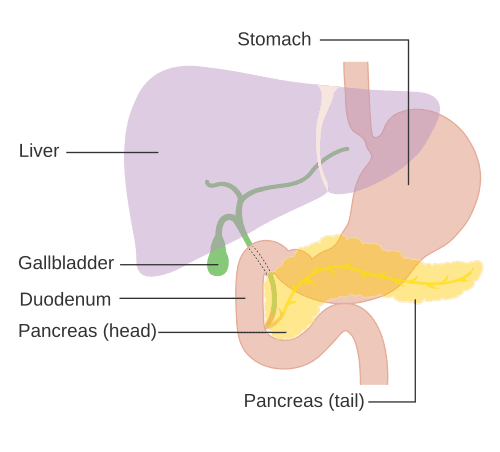
The significance of this leg warning sign cannot be overstated, given pancreatic cancer's aggressive nature and its tendency to spread rapidly. The disease often confounds physicians due to its deep abdominal location and the vague, non-specific nature of its early symptoms, which can include persistent abdominal or back pain, unexplained weight loss, and digestive issues. Jaundice, a yellowing of the skin and eyes, is a more visible symptom but typically indicates a more advanced stage of the disease. The difficulty in early detection contributes to a dire outlook, with a five-year survival rate of less than ten percent.
The connection between blood clots and malignancy is not a recent discovery. The French physician Armand Trousseau first documented this link in 1865. Since then, the association between unprovoked DVT and an underlying cancer has been repeatedly observed, with pancreatic cancer being particularly prone to such complications. Research indicates that a significant proportion of pancreatic cancer patients, with some reports suggesting up to 36 percent, experience clotting complications. For some individuals, a blood clot can be the very first tangible indication that something serious is amiss within their body.
This increased risk stems from the cancer cells themselves. These cells can release substances that actively stimulate the blood's clotting mechanisms, altering its composition and making it more susceptible to clot formation. Beyond DVT in the legs, a fragment of such a clot can dislodge and travel to the lungs, leading to a pulmonary embolism (PE). This is a life-threatening complication characterized by sudden shortness of breath, sharp chest pain, or discomfort in the upper back. In an August 7, 2025 report, a Dr. Lee noted that "Patients with pancreas cancer are particularly prone to blood clots," explaining further that "While the exact cause is not known, it is believed that cancer cells reduce production of the proteins the body uses to prevent blood clots."

Public health organizations worldwide are urging vigilance. Cancer Research UK, for instance, advises immediate medical consultation if symptoms suggestive of a blood clot appear, including pain, redness, or warmth around a suspected clot, sudden shortness of breath, or chest pain. The American Cancer Society has also acknowledged blood clots as one of the lesser-known but significant red flags associated with pancreatic cancer. The renewed emphasis on these leg symptoms serves as a crucial reminder for both the public and medical community.
The medical community has long grappled with the challenges of pancreatic cancer detection. Dr. Mark Fraiman, a board-certified liver and pancreatic surgeon with over 35 years of experience, has previously highlighted the vague nature of pancreatic cancer symptoms, often indicating advanced stages when nerve invasion occurs. While his earlier statements from 2011 focused on more traditional symptoms like jaundice and and back pain, his extensive background underscores the ongoing efforts to improve early detection methods. This current focus on leg-related symptoms represents a vital development in the battle against pancreatic cancer.
The stealthy nature of pancreatic cancer is precisely what makes it so deadly. Therefore, understanding its full spectrum of symptoms, including these unexpected manifestations in the legs, holds the potential to save lives. If something feels wrong or if any of these symptoms appear without a clear cause, seeking medical guidance without delay is paramount. This heightened awareness offers a crucial chance for earlier intervention and, ultimately, improved patient outcomes.