CultureMany conversations about sexual pleasure tend to focus heavily on penetrative sex. This narrow view often leaves out a wide range of experiences that are just as real and far more common than public discourse might suggest.
A recent news article, published on May 30, 2026, by Gesi Lloyd, brought significant attention to one such overlooked practice: a form of non-penetrative self-pleasure that involves rubbing or pressing the thighs together to generate sexual arousal. This method, often encountered by many women early in life, frequently occurs even before they fully understand masturbation.

The mechanism behind this pleasure is rooted in friction and physical sensation, rather than direct touch. Individuals typically engage in movements such as squeezing their thighs, grinding their hips, or pressing against soft objects like pillows or blankets. The stimulation generated is primarily external, targeting the clitoris without requiring penetration or a partner.
A notable aspect of this practice is its ability to be performed while fully clothed. This contributes to its early-life prevalence and its occurrence outside of explicitly sexual contexts. Furthermore, it can be seamlessly integrated into partnered sexual experiences, where one individual might use their partner's thigh or body to create friction, making it a versatile and accessible form of sexual expression. Engaging the pelvic floor, through actions such as Kegel contractions, can further intensify the sensation when combined with the grinding motion.
Sex educator Shamyra Howard has extensively discussed this form of pleasure as part of her broader efforts to expand the understanding of sexual intimacy. Howard consistently argues that pleasure is a whole-body experience, and an overemphasis on penetration as the sole or most valid form of sex can cause a substantial portion of human sexual experience to remain unnamed and, consequently, undervalued.
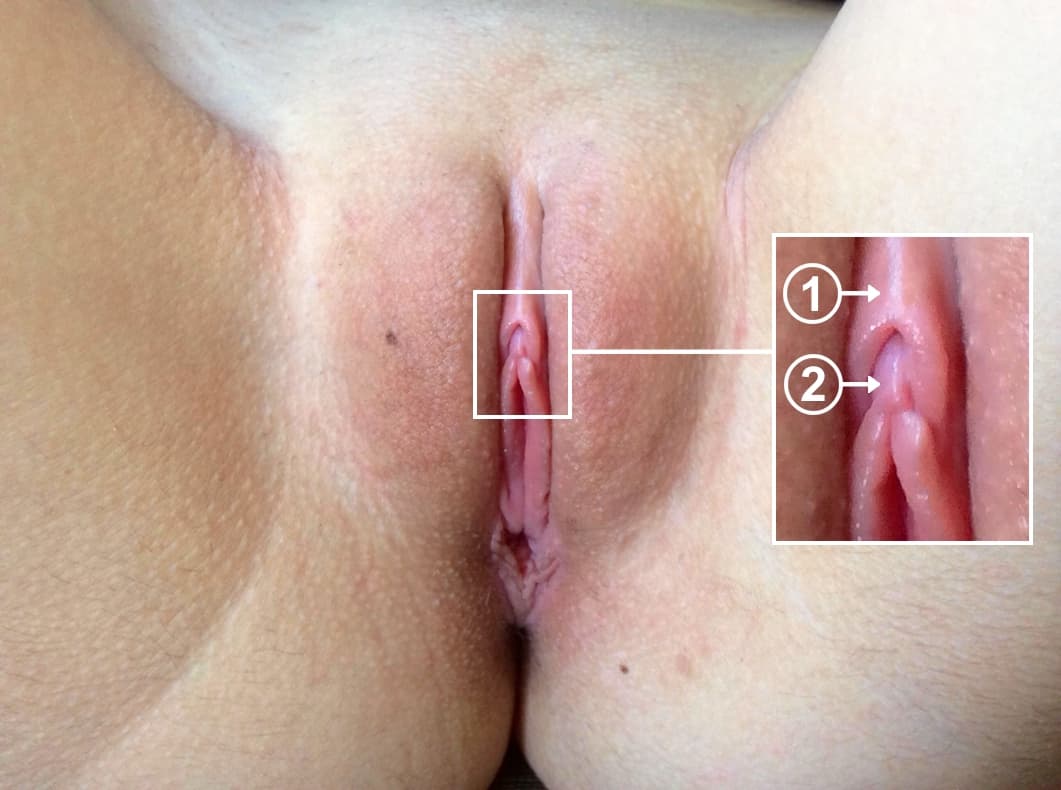
The significance of this thigh-based method for sexual health is considerable. For many individuals with vulvas, external clitoral stimulation is recognized as the most reliable pathway to orgasm. This particular method offers such stimulation in a low-pressure manner, requires no specialized equipment, and carries no risk of sexually transmitted infections when performed alone or clothed with a partner. It also presents a viable option during periods when penetrative sex may not be suitable due to medical or personal reasons, including recovery from childbirth, surgical procedures, or sexual trauma.
Relevant research supports the commonality of these practices. A study led by Dr. Candice Hargons and researcher Shemeka Thorpe investigated masturbation experiences among 242 Black women. Their findings challenged common assumptions, revealing that nearly all participants had masturbated at some point, with many initiating the practice in their mid-teens. More than half of the participants reported enjoying masturbation without the use of sex toys, indicating a preference for body-based methods among a significant portion of the group examined.
Broader academic research consistently shows that women are more likely to achieve orgasm through non-penetrative clitoral stimulation than through penile-vaginal intercourse alone. Studies have also explored the benefits of non-penetrative sexual activities (NPSA), sometimes referred to as "outercourse," for sexual satisfaction and mental well-being. These activities, which include frottage, reciprocal masturbation, cuddling, kissing, manual stimulation, oral-genital contact, and interfemoral coitus, can be particularly beneficial for individuals facing challenges like vaginismus, where a focus on pleasure-oriented NPSA can improve both depression and the condition itself.
While this thigh-based pleasure may be overlooked in mainstream media, it is recognized and discussed in other spheres. The term "syntribating," for instance, has been used in online forums to describe the act of squeezing thighs together to achieve arousal or orgasm. This ongoing dialogue underscores the critical importance of acknowledging and validating the diverse forms of pleasure that exist beyond conventional narratives.
Recognizing and naming these widespread, yet often unacknowledged, forms of self-pleasure is crucial. It contributes to a more inclusive and accurate understanding of human sexuality, offering accessible, safe, and effective options for individuals to explore and experience pleasure on their own terms.