 CultureCulture
The tech world held its breath on Wednesday, May 20, 2026, as Nvidia, the undisputed titan of artificial intelligence hardware, prepared to release its fiscal first-quarter 2027 earnings. This announcement wasn't just another financial report; it was widely seen as a defining moment for the entire AI industry and a critical test for Nvidia's unparalleled run of market dominance.
The highly anticipated report, covering the quarter that concluded on April 26, 2026, was scheduled for release after market close. Investors were keenly watching to see if the semiconductor manufacturer could maintain its extraordinary track record, having exceeded analyst revenue estimates for 14 consecutive quarters and earnings per share (EPS) estimates for an impressive 13 straight quarters.
Leading up to the announcement, Nvidia shares were trading in the range of $222 to $223. This reflected a significant 18% increase year-to-date in 2026, with the stock recently touching new all-time highs within its 52-week trading range of $129.16 to $236.54. Wall Street analysts had set ambitious targets, projecting Nvidia to report revenue between $78.8 billion and $79.2 billion, which would signify a remarkable 78% to 80% year-over-year growth.
Consensus estimates also anticipated adjusted EPS to fall between $1.76 and $1.78 for the quarter. Nvidia itself, in guidance issued back in February 2026, had forecast revenue of approximately $78.0 billion, plus or minus 2%, alongside an expected non-GAAP gross margin of around 75.0%, with a potential fluctuation of 50 basis points. The continuation of Nvidia's consistent performance streak remained the central focus for market watchers.
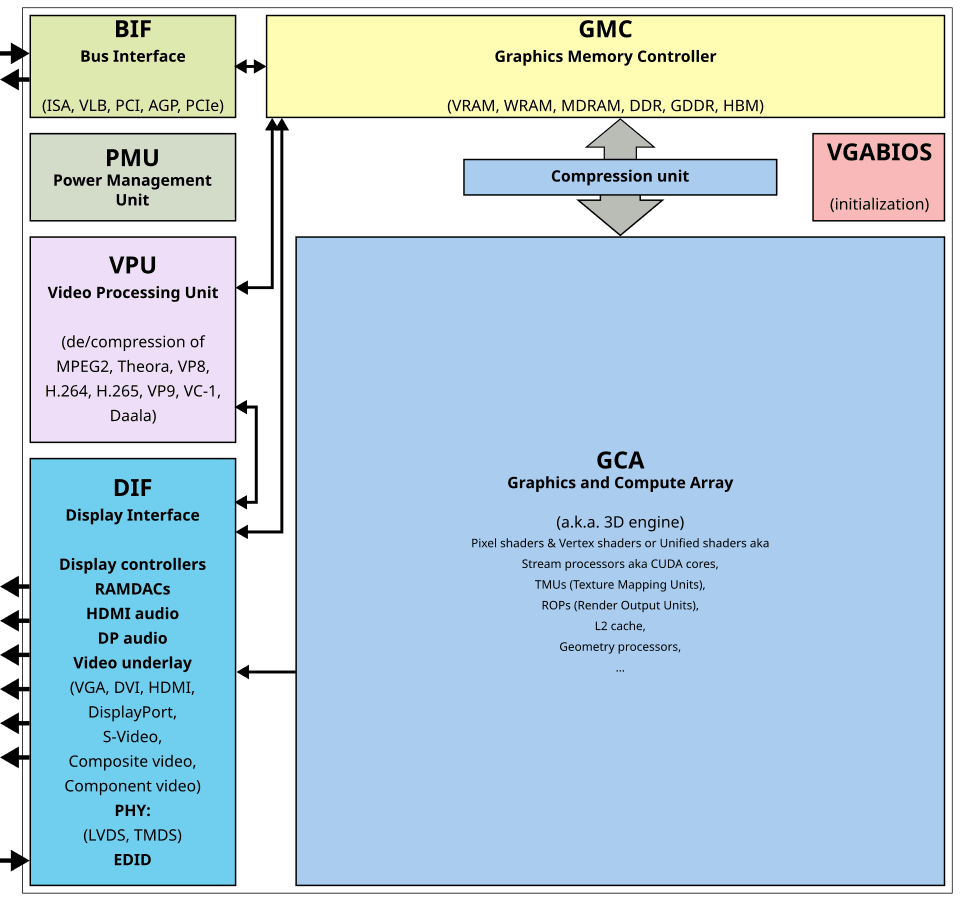
Nvidia's meteoric rise is inextricably linked to the ongoing artificial intelligence boom. The company's Graphics Processing Units (GPUs) are not just components; they are considered the fundamental infrastructure driving AI training and inference, fueling what analysts describe as "snowballing demand and accelerated spending on all things artificial intelligence." This demand has spurred massive investment, particularly from hyperscalers – the tech giants operating vast data centers.
Major players like Alphabet, Amazon, Microsoft, and Meta Platforms collectively planned approximately $725 billion in capital expenditures for 2026, a staggering 77% increase from the previous year, with a substantial portion dedicated to AI infrastructure. Nvidia has further cemented its market position with its Blackwell NVL72 AI supercomputer now in full-scale production. The company's vision has been largely shaped by its founder, president, and CEO, Jensen Huang. Born in Tainan, Taiwan, in 1963, Huang co-founded Nvidia in San Jose, California, in 1993 from a Denny's restaurant, growing it into a global technology powerhouse. He previously projected Nvidia to generate an astonishing $1 trillion in revenue from its Blackwell and Vera Rubin processors alone across the calendar years 2026 and 2027.
Crucial to Nvidia's financial strategy is Colette Kress, the Executive Vice President and Chief Financial Officer since September 2013. With over three decades of experience in senior finance roles at corporations including Microsoft and Cisco, Kress has been instrumental in managing Nvidia's rapid expansion amid the AI revolution. While the AI market presents immense opportunities, it also has complexities. A prior incident impacted Nvidia's fiscal first-quarter 2026 results (ending April 27, 2025) due to new U.S. government export licensing requirements for its H20 products into the China market. This led to a $4.5 billion charge related to H20 excess inventory and purchase obligations, and Nvidia was unable to ship an additional $2.5 billion of H20 revenue during that quarter.
Despite past challenges, recent developments hinted at potential upside. The U.S. government had recently cleared ten Chinese companies to purchase Nvidia's advanced H200 chips. While no deals had been finalized at the time of the earnings report, any progress on this front could introduce meaningful revenue not yet factored into current guidance projections, offering a significant boost.
Analyst sentiment ahead of the report was largely optimistic. CJ Muse, an analyst with Cantor Fitzgerald, maintained an Overweight rating and raised his price target to $350, anticipating yet another "beat and raise" quarter driven by strong demand in the AI cycle. Similarly, HSBC analyst Frank Lee increased his price target to $325, expecting Q1 revenue to surpass both company guidance and consensus estimates, also implying a "beat and raise" scenario. However, not all views were entirely bullish. Jay Goldberg of Seaport Research Partners offered a note of caution, drawing parallels to the dot-com boom. "Every time you start to hear people saying, 'This time is different. This is a new economy,' I think it's right to sort of be cautious," Goldberg reportedly stated.
The high stakes were further reflected in the options market, which was pricing in a potential post-earnings stock move of more than 10% in either direction, underscoring the intense volatility and elevated expectations surrounding the announcement. As the market closed on May 20, 2026, the tech world braced itself for the numbers that would determine not only Nvidia's immediate trajectory but also offer a significant barometer for the health and future direction of the booming artificial intelligence industry.