 Culture
Nolan's 'The Odyssey' Trailer Sparks Intense Online Debate
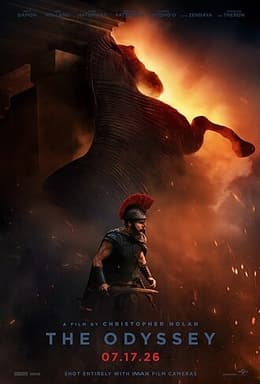
Christopher Nolan's highly anticipated film, *The Odyssey*, is already making waves online, not just for its grand scale but for the intense debate it has ignited. The trailers for the adaptation of Homer's ancient Greek epic poem have transformed its upcoming July 17, 2026, theatrical release into a cultural flashpoint, sparking widespread discussions about how far a modern adaptation can diverge from its classic source material and the decisions made in casting.
Reports indicate that Nolan, a director celebrated for his epic storytelling and commitment to practical filmmaking, has been contemplating this particular project for over two decades. This long-standing ambition is now manifesting in what is set to be his most expensive film to date, carrying an estimated production budget of $250 million. The substantial financial investment underscores the scale and ambition of Nolan's vision, placing immense pressure on the film to deliver a compelling and widely accepted interpretation of one of literature's most enduring tales.

The genesis of this cinematic endeavor began to formally unfold in October 2024. It was then that Christopher Nolan was first reported to be developing his next feature film in collaboration with Universal Pictures. This partnership continued a working relationship with the studio, notably following their collaboration on Nolan's Oscar-winning film. The initial announcement set a high bar for expectations, given the director's track record and the iconic nature of the source material.
As trailers began to drop, the online sphere quickly became a battleground of opinions. Viewers and critics alike have been scrutinizing every frame, leading to a polarized reception. The core of the division revolves around two main points: adaptation fidelity and casting choices. For some, the trailers suggest a creative interpretation that deviates too significantly from Homer's original narrative and established character portrayals. Others argue that artistic liberty is essential for bringing ancient texts to a contemporary audience, fostering new engagement with classical stories.