Home
Explore
Notifs
Profile

Black-owned · Built for the global diaspora · Curated pins from Black and melanated creators across hair, style, beauty, home, and art.

Formerly Melaninterest.com

m
melanin
AboutHelpTermsPrivacyCommunity GuidelinesCreators

© 2026 Melanin. All rights reserved.

Mmelanin
HomeExploreCreatorsNewsCreate
Ctrl+K
Log inSign up
Mmelanin
HomeExploreCreatorsNewsCreate
Ctrl+K
Log inSign up
New Surveillance Tech Tracks Your Phone, Not Just Your Car — Melanin News | Melanin
Mmelanin
HomeExploreCreatorsNewsCreate
Ctrl+K
Log inSign up
All news
New Surveillance Tech Tracks Your Phone, Not Just Your CarCulture

New Surveillance Tech Tracks Your Phone, Not Just Your Car

4w ago

A new generation of surveillance technology is emerging, and it's set to track more than just your car. This advanced system aims to bridge the gap between vehicles and their occupants, potentially creating a detailed electronic fingerprint of your movements by linking your ride to every smart device you carry.

The technology, known as SignalTrace, is a significant enhancement to existing automated license plate reader (ALPR) systems. Developed by the defense contractor Leonardo, SignalTrace integrates specialized sensors designed to detect unique identifiers emitted by a vast array of personal electronics. Public reporting, notably initiated by 404 Media between June 8 and 18, 2026, first brought the full scope of SignalTrace's capabilities to broader public attention.

Automatic number-plate recognition
Automatic number-plate recognition Source

SignalTrace can pick up signals from common personal devices such as smartphones, fitness trackers, smartwatches, and wireless headphones. It can also detect smaller tracking devices like AirTags and even pet microchips. Beyond personal gadgets, the system is engineered to capture signals from vehicle-connected technologies, including infotainment systems, built-in Wi-Fi hotspots, and tire pressure monitoring sensors. Leonardo, which secured the patent for the underlying technology approximately two years prior to June 2026, is primarily marketing this system to government agencies, specifically law enforcement and border security, which are already major clients for ALPR technology widely deployed across public spaces.

According to Leonardo's own product sheet, the core objective of SignalTrace is to "bridge the gap between vehicle and occupant" by linking vehicles with a broad spectrum of nearby digital signals. The company states that SignalTrace “bridges license plate recognition data with sensor-captured device identifiers – such as those from mobile phones, Bluetooth wearables, and vehicle systems – to create a unique, trackable 'electronic fingerprintʼ for investigative use.” This comprehensive data collection is intended to "Identif[y] the movements of electronic devices, individuals, and vehicles" and reveal "signatures frequently traveling together with an individual or vehicle, which can lead to the discovery of convoys and other movement and travel patterns" to help "create an additional data set to enhance records captured by LPR cameras in the area."
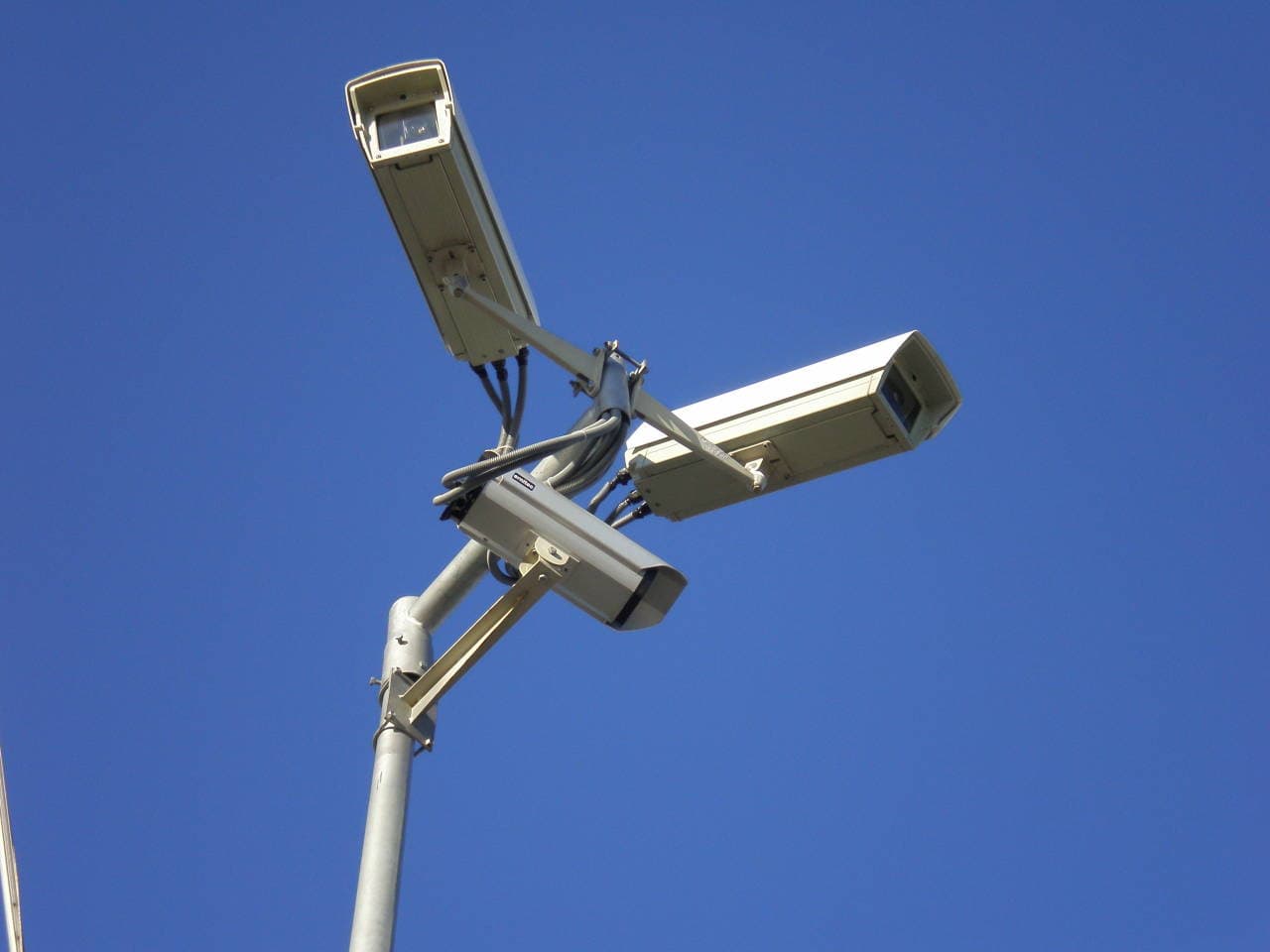
This expansion of surveillance capabilities builds upon the extensive infrastructure of traditional ALPR systems already in place. These systems have for years captured images of vehicles and logged their locations over time, feeding this information into centralized databases. These databases are then made accessible to law enforcement agencies across the nation, deployed on highways, city streets, and parking lots.

Surveillance
Surveillance Source

However, traditional ALPRs have long been a source of privacy concerns. Critics have pointed to the potential for misuse, including inappropriate access by law enforcement officers and a general lack of federal laws or meaningful limits on how this sensitive data is accessed and retained. For example, in February and March 2025, a DEA agent was reportedly found to have used a Louisville Metro Police detective's login credentials to conduct 150 immigration-related searches of the city's ALPR database without proper authorization. Similar reports of inappropriate immigration-related searches have surfaced in cities like Richmond and Denver.

Organizations like the Electronic Frontier Foundation (EFF) have consistently documented how the aggregation of ALPR data can be used to reconstruct an intimate portrait of a person's life, potentially revealing sensitive details about their daily routines, associations, and even where they worship or seek medical care. The EFF has warned that such pervasive tracking could chill constitutionally protected activities, making individuals hesitant to attend protests, visit certain establishments, or associate with particular groups due to fear of surveillance.

Leonardo, for its part, maintains that its technology "captures device frequencies emitted into the air" and "does not decrypt or capture the contents of the devices or their communications." The company further asserts that the system "allows an electronic signature to be alerted on once it has been identified in the process of an investigation, and only in a case where a crime occurred." These assurances aim to address privacy concerns by emphasizing that the technology focuses on identification and movement patterns rather than communication content.

Despite these statements, privacy advocates and researchers express significant alarm, warning that SignalTrace represents a major and unprecedented expansion of surveillance infrastructure into public spaces. They argue that even without accessing communication content, the ability to link multiple device signals to a single vehicle allows authorities to build incredibly detailed patterns of movement. This could reveal where a person lives, their regular travel routes, and the exact duration of their stays in specific locations, essentially creating a comprehensive digital diary of their life. One privacy advocate was quoted stating, "Privacy is not a loophole for criminals. It's a precondition for a free society. The government needs far more than administrative convenience to justify eroding it."

The American Civil Liberties Union (ACLU) has been a long-standing advocate for stronger privacy protections concerning ALPRs. They have called for legislation and policies that explicitly stipulate that "The government must not store data about innocent people" and that "Law enforcement agencies should not share license plate reader data." The introduction of SignalTrace amplifies these concerns dramatically, shifting the focus of surveillance from mere vehicle tracking to potentially tracking individuals through their personal devices without a warrant.

This technological leap occurs within what many critics describe as a "regulatory vacuum." Existing ALPR statutes were designed specifically for the collection and storage of license plate images, not for the mass harvesting of Bluetooth or Wi-Fi identifiers. This leaves SignalTrace operating in a legal gray zone, with no explicit federal law prohibiting law enforcement from collecting these personal device identifiers via roadside surveillance. This lack of clear legal boundaries raises significant questions about mission creep, where surveillance tools initially marketed for specific, often less controversial, purposes—such as retail crime prevention—could be repurposed for routine policing, immigration enforcement, or other broad applications once the infrastructure is in place. The integration of artificial intelligence (AI) into ALPR systems further exacerbates these concerns, enabling software to automatically identify complex patterns and correlations from the vast amounts of collected data, such as which devices consistently travel together or which vehicles repeatedly appear at the same locations.

The deployment of SignalTrace thus presents a critical juncture in the ongoing debate over digital privacy and government oversight. As this technology becomes more integrated into public safety frameworks, the imperative grows for robust legislative action and public discourse to establish clear ethical guidelines and legal safeguards, ensuring that advanced surveillance capabilities do not inadvertently erode the fundamental right to privacy in a free society.