Home
Explore
Notifs
Profile

Black-owned · Built for the global diaspora · Curated pins from Black and melanated creators across hair, style, beauty, home, and art.

Formerly Melaninterest.com

m
melanin
AboutHelpTermsPrivacyCommunity GuidelinesCreators

© 2026 Melanin. All rights reserved.

Mmelanin
HomeExploreCreatorsNewsCreate
Ctrl+K
Log inSign up
Mmelanin
HomeExploreCreatorsNewsCreate
Ctrl+K
Log inSign up
NCAA Drops New Eligibility Rules, College Hoops in Turmoil — Melanin News | Melanin
Mmelanin
HomeExploreCreatorsNewsCreate
Ctrl+K
Log inSign up
All news
NCAA Drops New Eligibility Rules, College Hoops in TurmoilSports

NCAA Drops New Eligibility Rules, College Hoops in Turmoil

1w ago

College basketball is facing a seismic shift following new eligibility guidance issued by the National Collegiate Athletic Association. These updated rules, distributed to member schools in early May 2026, are sending ripples of anxiety through programs that have heavily invested in recruiting international talent, potentially altering the landscape of the sport as we know it.

The core of the new guidelines primarily targets pre-enrollment eligibility concerning compensation and involvement with professional teams abroad. Prospective student-athletes who "entered an agreement with, competed on or received compensation from a team that participates in a league with minimum compensation that exceeds actual and necessary expenses" will now find their college eligibility in jeopardy. While the NCAA document explicitly names major professional leagues such as MLB, NBA, NFL, Premier League, and WNBA, other top global basketball leagues, including the EuroLeague, are also likely to fall under this strict new purview. Reports indicate the EuroLeague's collective bargaining agreement mandates a minimum remuneration of €50,000 (approximately $58,000) net for first-year players, a sum that almost certainly surpasses the NCAA's threshold for "actual and necessary expenses."
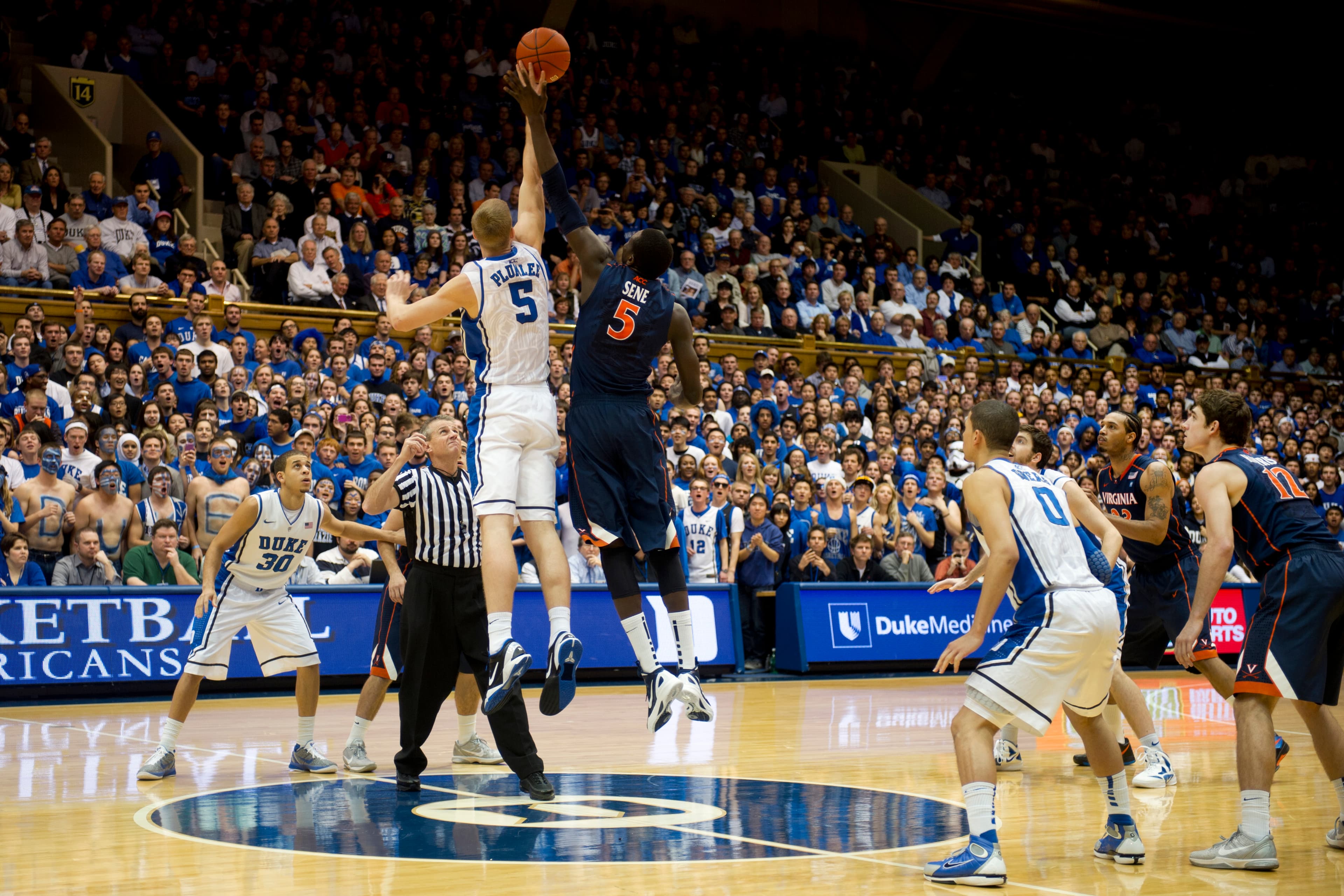
College basketball
College basketball Source

An NCAA spokesperson stated that the organization aims to modernize its rulebook to "ensure college sports are played by college athletes and not used as a fallback for professional athletes." The spokesperson added that "actual and necessary expenses continue to be a factor in a prospect's eligibility, but as part of that broader effort to update preenrollment rules, the NCAA also identified several international leagues in which participation by a prospect is likely to result in violations of NCAA rules and a loss of eligibility." The severity with which these new requirements will be enforced remains a critical question. For players who have already earned above the specified expenses, reinstatement will be evaluated on a "case-by-case" basis, taking into account factors like the duration of salary receipt, the quality of the league, and other relevant circumstances. This review process could potentially impact dozens, if not hundreds, of prospective men's basketball players, with some facing the possibility of having years of eligibility docked or losing it entirely. One head coach, who had recently signed an international player, publicly questioned the timing, asking, "Why would you do this midstream when there's a hundred million dollars out on the street?" Further reports suggest that strict enforcement could lead to reduced basketball budgets across programs and a "massive decrease" in the number of European players coming to the United States.
This updated guidance marks a significant departure from previous, more relaxed rules that had allowed international athletes who previously received compensation from professional clubs to maintain their eligibility. This prior leniency had given colleges the confidence to invest significantly in similar players for the 2026-27 season, with several notable international players with professional experience recently gaining NCAA clearance.

Among those who had previously secured eligibility under the older framework were Dame Sarr, who committed to Duke, Ivan Kharchenkov to Arizona, Elias Rapieque to Kansas State, and James Nnaji to Baylor, all of whom brought extensive EuroLeague experience. Thijs De Ridder, a 22-year-old who played in the Spanish ACB, also received NCAA clearance. The case of James Nnaji, a 21-year-old, 7-foot center from Nigeria, had drawn particular attention. Nnaji was the 31st overall pick in the 2023 NBA Draft and committed to Baylor in December 2025, receiving immediate eligibility for the 2025-26 season with four years remaining. This was despite appearing in five NBA Summer League Games and playing professionally overseas, as he had never signed an NBA contract or played in the G League. Under the new guidance, however, Nnaji would be ineligible for the 2026-27 season.

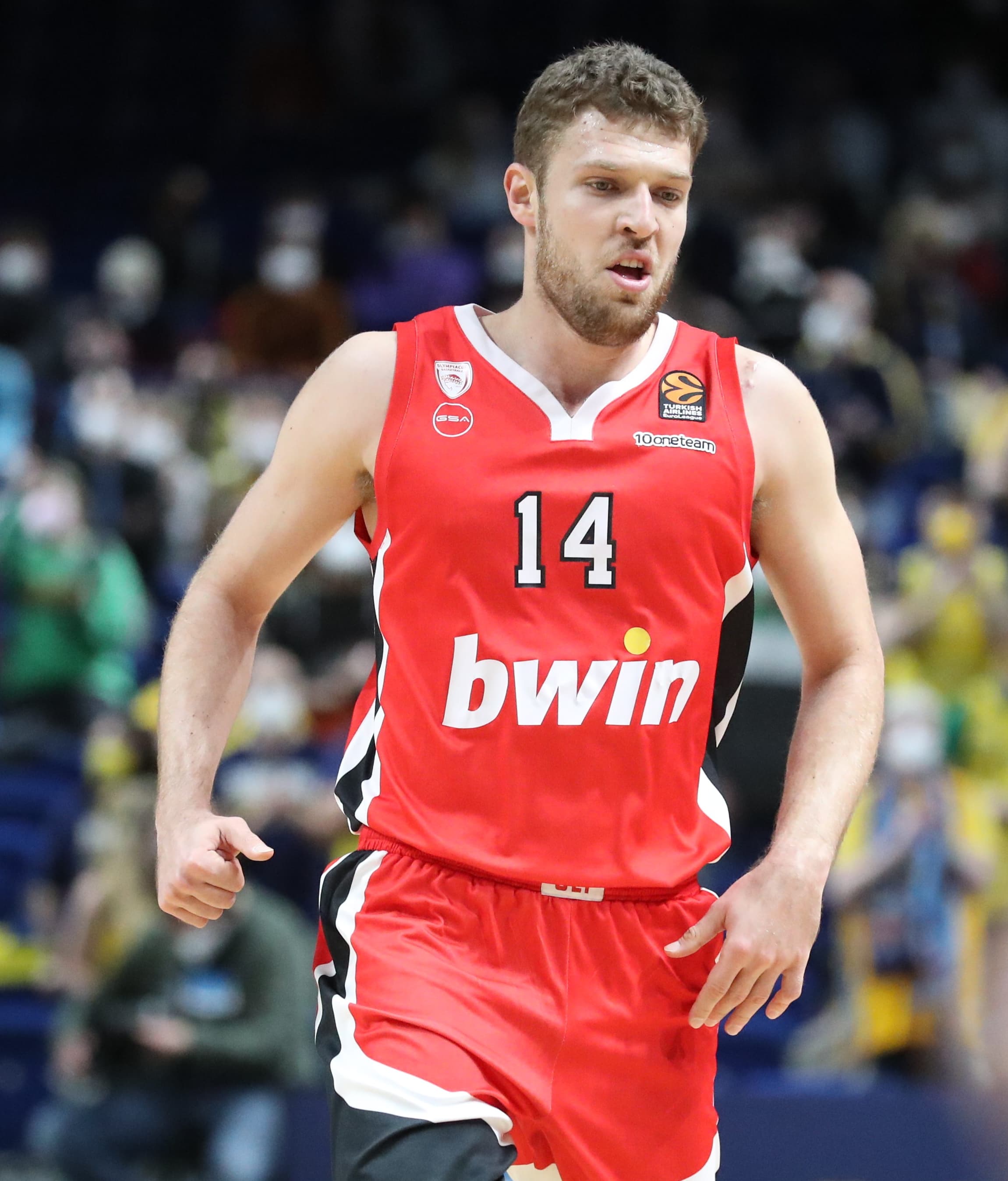
EuroLeague MVP
EuroLeague MVP Source

Michigan State coach Tom Izzo voiced strong opposition to such cases, stating, "I thought I'd seen the worst — then Christmas came. What happened just topped it. … Now we're taking guys that were drafted in the NBA and everything? … If that's what we're going to, shame on the NCAA. Shame on the coaches, too, but shame on the NCAA because coaches are gonna do what they gotta do, I guess, but the NCAA is the one. Those people on those committees that are making those decisions to allow something so ridiculous. … I just don't agree with it." In response to Izzo's comments, Baylor coach Scott Drew indicated he was "simply rolling with the punches." Other instances of professional players gaining eligibility included Thierry Darlan, a 21-year-old guard who joined Santa Clara in September 2025 after two years in the G League, and London Johnson, also 21, who was allowed to join Louisville in October 2025 with two years of eligibility after three years in the G League. Conversely, Charles Bediako, who played two seasons at Alabama, entered the 2023 NBA draft, and subsequently played three years in the G League, was ruled ineligible by the Alabama Supreme Court after playing five games in the 2025-26 season.

These new rules are part of a broader eligibility overhaul approved by the NCAA Division I Cabinet in April 2026, which became effective immediately for prospects enrolling in college during the 2026-27 academic year. One significant change bars athletes who have entered and remained in a professional sports draft, such as the NBA draft, from competing in college; prospects are now required to withdraw by legislated deadlines to align pre- and post-enrollment draft rules. Athletes are now permitted to enter the draft once without impacting their collegiate eligibility. Additionally, athletes can now sign with agents prior to enrolling for purposes other than Name, Image, and Likeness (NIL) representation, and are allowed to accept prize money in their respective sports pre-enrollment without jeopardizing their eligibility.

This evolving landscape highlights the ongoing tension between the NCAA's traditional amateurism model and the increasing professionalization of college sports. The new guidance could dramatically alter recruitment strategies, forcing programs to reconsider their reliance on a global talent pool that has become increasingly vital to competitive play. The financial implications for colleges that have invested heavily in scouting and recruiting internationally are significant, potentially leading to a fundamental reshaping of team rosters and playing styles across college basketball. The NCAA's stated goal of ensuring college sports are played by college athletes, not professional athletes using it as a fallback, will be tested in the coming months as programs and players navigate these complex new rules. The true extent of enforcement and its ripple effects will undoubtedly be a major storyline to watch as the 2026-27 season approaches, requiring coaches and athletic departments to adapt swiftly to the changing regulatory environment.