Home
Explore
Notifs
Profile

Black-owned · Built for the global diaspora · Curated pins from Black and melanated creators across hair, style, beauty, home, and art.

Formerly Melaninterest.com

m
melanin
AboutHelpTermsPrivacyCommunity GuidelinesCreators

© 2026 Melanin. All rights reserved.

Mmelanin
HomeExploreCreatorsNewsCreate
Ctrl+K
Log inSign up
Mmelanin
HomeExploreCreatorsNewsCreate
Ctrl+K
Log inSign up
NBA Cracks Down on Tanking With Sweeping Draft Lottery Overhaul — Melanin News | Melanin
Mmelanin
HomeExploreCreatorsNewsCreate
Ctrl+K
Log inSign up
All news
NBA Cracks Down on Tanking With Sweeping Draft Lottery OverhaulSports

NBA Cracks Down on Tanking With Sweeping Draft Lottery Overhaul

5d ago

The National Basketball Association is making a bold move to stamp out tanking. On Thursday, May 28, 2026, the league's Board of Governors overwhelmingly approved a new draft lottery format, dubbed the "3-2-1 lottery," in a decisive 29-1 vote.

This overhaul is set to kick off with the 2027 NBA Draft and will run through the 2029 draft, after which it faces re-evaluation. Commissioner Adam Silver didn't mince words, describing the new system as the most significant anti-tanking measure the league has ever undertaken. The goal is clear: to stop teams from intentionally losing games in pursuit of higher draft picks.
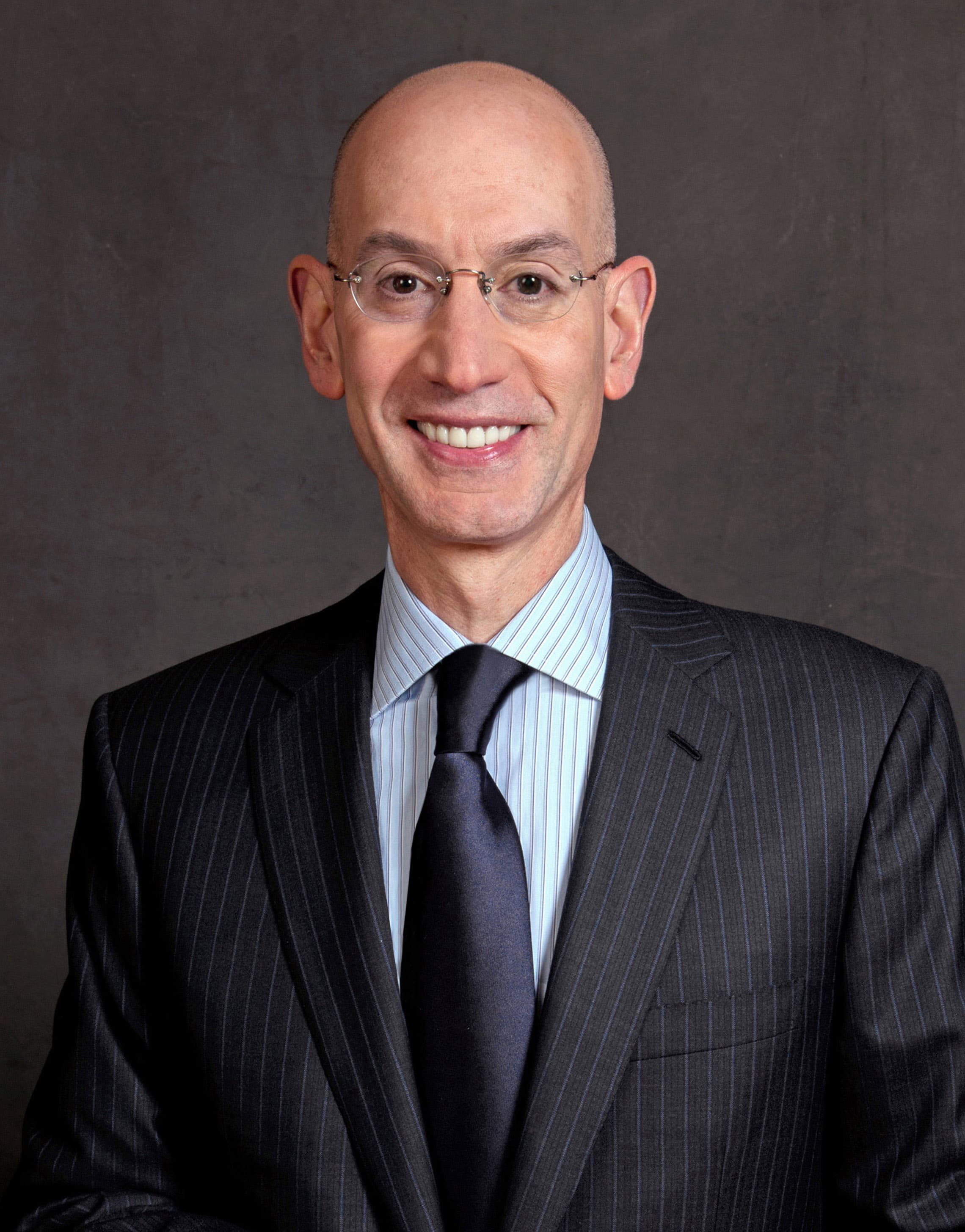
Adam Silver
Adam Silver Source

The push for reform gained serious momentum following the 2025-26 NBA season. Many observers felt that numerous teams were blatantly trying to lose games, all to improve their standing for what was expected to be a talent-rich 2026 draft. Commissioner Silver had previously voiced his strong disapproval of this trend. In February, he openly questioned, "Are we seeing behavior that is worse this year than we've seen in recent memory? Yes, is my view." By early March, he doubled down, promising that "substantial changes" were on the horizon and declaring, "We are going to fix it … full stop."

Earlier efforts to combat tanking included financial penalties. In February 2026, the league fined the Indiana Pacers $100,000 and the Utah Jazz $500,000. These fines were for "Overt behaviour ... that prioritizes draft position over winning (which) undermines the foundation of NBA competition," signaling the league's growing frustration with the practice.

Details of the "3-2-1 lottery" proposal reportedly circulated among team general managers by late April 2026, with ESPN's Shams Charania providing early reports on the framework. The core principle of this new system is to level the playing field for the top pick while specifically penalizing the teams with the absolute worst records.
NBA draft lottery
NBA draft lottery Source

The lottery itself will expand, now including 16 teams instead of 14, meaning all 16 first-round picks will be determined through this process. A major component is the introduction of a "relegation zone" for the three teams finishing with the worst regular-season records. These bottom three teams will each receive two lottery balls, which translates to a 5.4% chance at securing the coveted No. 1 overall pick. Crucially, their draft selection will be no lower than 12th, a significant change from past systems where the worst teams could potentially fall further.

In a strategic twist, the seven teams that miss both the playoffs and the play-in tournament, but manage to avoid the bottom three (finishing fourth through tenth from the bottom of the standings), will find themselves in the new "sweet spot." Each of these teams will receive three lottery balls, giving them an 8.1% chance at the No. 1 pick—the highest odds available under the new system. Additionally, the ninth and tenth seeds from the Play-In Tournament will each be allocated two lottery balls, while the losers of the 7-8 Play-In games will receive one lottery ball apiece, translating to a 2.7% chance at the top selection.

Beyond the adjusted odds, the new rules include several other provisions designed to prevent any single team from consistently landing high draft picks. Under the "3-2-1" system, no team will be permitted to win the No. 1 overall pick in consecutive years. Furthermore, no team can secure three consecutive top-five picks. The league is also tightening up on trade protections, prohibiting teams from protecting traded first-round picks that fall within the 12-15 range.

Perhaps most impactful is the league's expanded disciplinary authority. The NBA will now have the power to reduce a team's lottery odds or even modify its draft position if it is deemed to be actively engaging in tanking. Commissioner Silver had previously indicated that such measures could even include the power to take away draft picks entirely, underscoring the severity of the league's commitment.

The vote saw nearly unanimous backing from team owners. The sole dissenting vote came from Robert Pera, owner of the Memphis Grizzlies. Reports suggest Pera's opposition likely stemmed from the Grizzlies holding favorable future first-round picks from other teams. These assets could be negatively impacted by the new system's flattened odds and the restrictions on consecutive high picks.

While the reform has largely been applauded as a necessary step to address tanking, some executives reportedly voiced concerns during discussions about the specific floor for the bottom-three teams. Shams Charania characterized the NBA's action as an "unprecedented move in American pro sports league by punishing the very worst teams in the draft lottery and creating a new system to incentivize winning."

The NBA's draft lottery system has a long and evolving history, marked by numerous changes aimed at striking a balance between competitive fairness and offering a clear path to improvement for struggling franchises. From 1947 to 1965, teams drafted in reverse order of their win-loss records, with a "territorial pick" rule also in play. A coin flip between the worst teams in each division determined the No. 1 pick from 1966 until 1984.

The first true lottery was introduced in 1985, giving seven non-playoff teams equal 14% odds for the top pick. This was modified in 1987 to determine only the first three picks, ensuring the worst team would pick no lower than fourth. A weighted lottery was implemented in 1990, giving the worst team a 16.7% chance at No. 1, which was further increased to 25% in 1994. The most recent significant change before this "3-2-1" system occurred in 2019, when the odds for the bottom three teams were flattened to 14% each for the No. 1 pick, and the lottery expanded to determine the top four selections, also in an effort to discourage tanking. The consistent evolution of the lottery highlights the league's ongoing challenge to promote competition while offering a viable route for struggling franchises to rebuild.

This latest set of reforms represents the league's most aggressive stance yet against a practice that many believe erodes the integrity of the game. With the new "3-2-1 lottery" set to roll out, the NBA is sending a clear message: winning is the priority, and the path to a top pick will no longer be paved by losing.