 CultureCulture
The early days of parenthood can feel like a blur of unanswered questions, sleepless nights, and an overwhelming flood of often contradictory advice. For many first-time parents, this period is acutely disorienting, leaving them feeling isolated and unsure of where to turn for reliable guidance. But a powerful, yet often overlooked, solution is gaining significant traction: the "mom mentor" movement.
These mentors, designed to be inclusive of parents of any gender, pair new parents with individuals who are a little further along in their own parenting journey. Their role is to provide practical, nonjudgmental advice rooted in personal experience, offering a crucial contrast to clinically distant information. Unlike therapists or medical professionals, these mentors have personally navigated the early stages of parenthood, consistently checking in on the parent's well-being, not just the baby's. The core aim of this mentorship is to build confidence and understanding, moving away from the unattainable ideal of perfect parenting.

Clinical research in maternal and child health strongly supports the effectiveness of peer-delivered support programs like these. Studies indicate that such initiatives are not only effective in reducing symptoms of postpartum depression but also play a significant role in preventing its onset. Researchers emphasize that the best results come from structured, trained, and evidence-based peer support, rather than purely informal conversations. This suggests that connecting new parents with trained peers who have firsthand experience with the postpartum period can indeed serve as a genuinely effective public health intervention. Reports consistently show that feeling supported and connected contributes to reduced anxiety and increased satisfaction during the initial years of parenting.
The benefits of having a mom mentor are wide-ranging and deeply impactful. New parents often grapple with profound self-doubt about their ability to care for their baby, and mentors provide a significant confidence boost. They offer essential emotional support and empathy, serving as a non-critical listening ear and validating the often-challenging experiences of new parenthood. Beyond emotional comfort, mentors impart invaluable practical knowledge, from effective soothing techniques to establishing sleep routines. This guidance helps demystify daily challenges that can feel insurmountable to a new parent.
Crucially, mentorship fosters a vital sense of community and belonging. This can be particularly life-changing for parents who feel isolated, perhaps lacking nearby family or friends who truly understand their unique challenges. Mentors can also help new parents interpret their baby's developmental milestones, often referred to as "growth jumps," and understand their baby's cues. Moreover, mentors frequently act as a gateway to broader resources, assisting mentees with issues such as marital problems, financial difficulties, or by identifying early signs of postpartum depression and facilitating access to appropriate mental health services. For working mothers, a mentor can be instrumental in navigating the specific hurdles of balancing career demands with the responsibilities of motherhood, with research indicating a positive impact on a woman's ability to succeed in such circumstances. The support offered by mentors is adaptable and can continue through different stages of parenting, creating a lasting relationship that is often mutually beneficial, especially for older mentors whose own children may have grown.
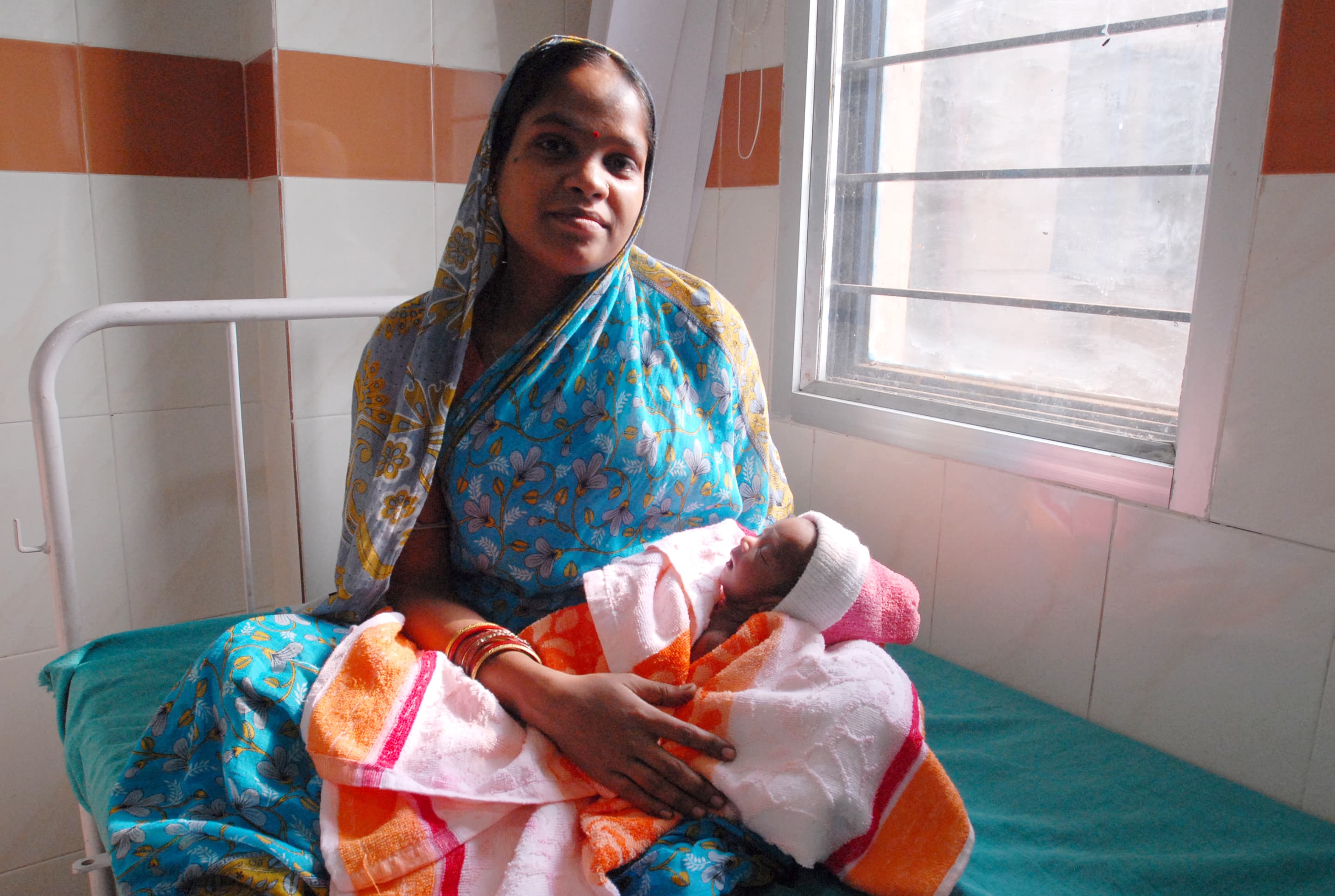
Numerous individuals and organizations have been pivotal in establishing and advancing parent mentorship programs across the country. Pam Pace and Donna Baker, for example, co-founded Keeping Pace with Multiple Miracles, a non-profit mentor group specifically tailored for parents of multiples. Their program's genesis dates back to 1994 when they met in a hospital, with Donna, a mother of triplets, mentoring Pam, who was pregnant with triplets and on bedrest. Their close, "sister-like bond" inspired them to create a similar support system for others facing the unique challenges of raising multiple children.
Another significant contributor is Christine Sweeney, LICSW, who launched The Parent Connection in 1991, a program based at Beth Israel Hospital in Boston, Massachusetts. This initiative was a direct response to a critical need identified by OB-GYN nurses. During follow-up calls with new mothers, nurses frequently heard reports of overwhelming feelings or observed early indicators of postpartum depression. Sweeney's program aimed to fill this crucial gap. Participants have openly shared the profound impact of these programs. Alexis Petru, who took part in the Mentoring Mothers program in San Francisco, California, publicly spoke about finally being able to "vent about my complicated feelings of motherhood" within her mentoring group, underscoring the invaluable nature of a non-judgmental and understanding space.
Beyond these specific programs, various platforms and organizations are actively advocating for and facilitating parent mentorship. Willo, for instance, offers an application designed to function as a "trusted mentor in your pocket," aiming to alleviate feelings of being overwhelmed for mothers. Kindred Partners operates a "Mommy Mentor Program" that carefully pairs mentors with new parents, specifically focusing on those with children aged three and under. Mentors in this program commit to meeting twice monthly for a full year, building a sustained relationship. Organizations like Parents Helping Parents and Circle of Parents provide virtual and community-based support groups, offering free, anonymous, and confidential services where parents can share challenges and seek advice from peers. Additionally, The South Project has developed a mentorship program specifically for young mothers, providing comprehensive guidance, support, resources, and accountability with the overarching goal of breaking cycles of poverty and strengthening families.
This movement highlights a growing recognition that parenting, especially in its initial stages, should not be a solitary journey. The structured guidance and empathetic connection offered by mom mentors are proving to be an essential antidote to the isolation and information overload many new parents face. As these programs continue to expand, they offer a powerful model for fostering resilient families and healthier communities, reminding us that collective wisdom and shared experience are invaluable assets in the most demanding, yet rewarding, role of all.