 Culture
Micron Soars 6% as AI Demand Fuels Record Revenue Projections
Micron Technology saw its shares climb 6% in midday trading on Tuesday, May 19, 2026, spearheading a significant rebound across the memory and storage sector. This surge comes after a challenging week for the industry, where Micron's stock had previously fallen 14%.
The robust recovery is largely attributed to Micron's strategic position in the high-bandwidth memory (HBM) and DRAM markets, crucial components for the rapidly expanding artificial intelligence (AI) infrastructure. This positive movement also saw competitor SanDisk gain 4% on the same trading day, though Western Digital's stock remained flat, highlighting varying investor confidence within the segment.

Micron's most recently reported quarter, preceding the May 2026 stock surge, showed strong performance with Cloud Memory revenue nearly doubling year-over-year to $5.28 billion, alongside a gross margin of 66%. The company's forward guidance for the second quarter of fiscal 2026 further fueled investor optimism, projecting revenue of $18.7 billion, with a potential range of plus or minus $400 million. Non-GAAP earnings per share are anticipated to hit $8.42 at the midpoint, with a gross margin expected to approach 68%.
Beyond financial figures, market sentiment also played a role. Discussions across social platforms pointed to Micron as a direct beneficiary of a potential labor disruption at Samsung, a major competitor. Many traders reportedly viewed Micron as having the "most direct exposure to any supply constraint that emerges from the situation," likely amplifying investor interest in its near-term prospects.
The memory and storage industry, encompassing DRAM (Dynamic Random-Access Memory) and NAND (Not AND) flash memory, is inherently cyclical, known for periods of rapid growth followed by downturns influenced by global supply and demand. Micron's performance is deeply intertwined with these broader trends, particularly from critical end markets such as data centers, automotive, mobile devices, and industrial applications.
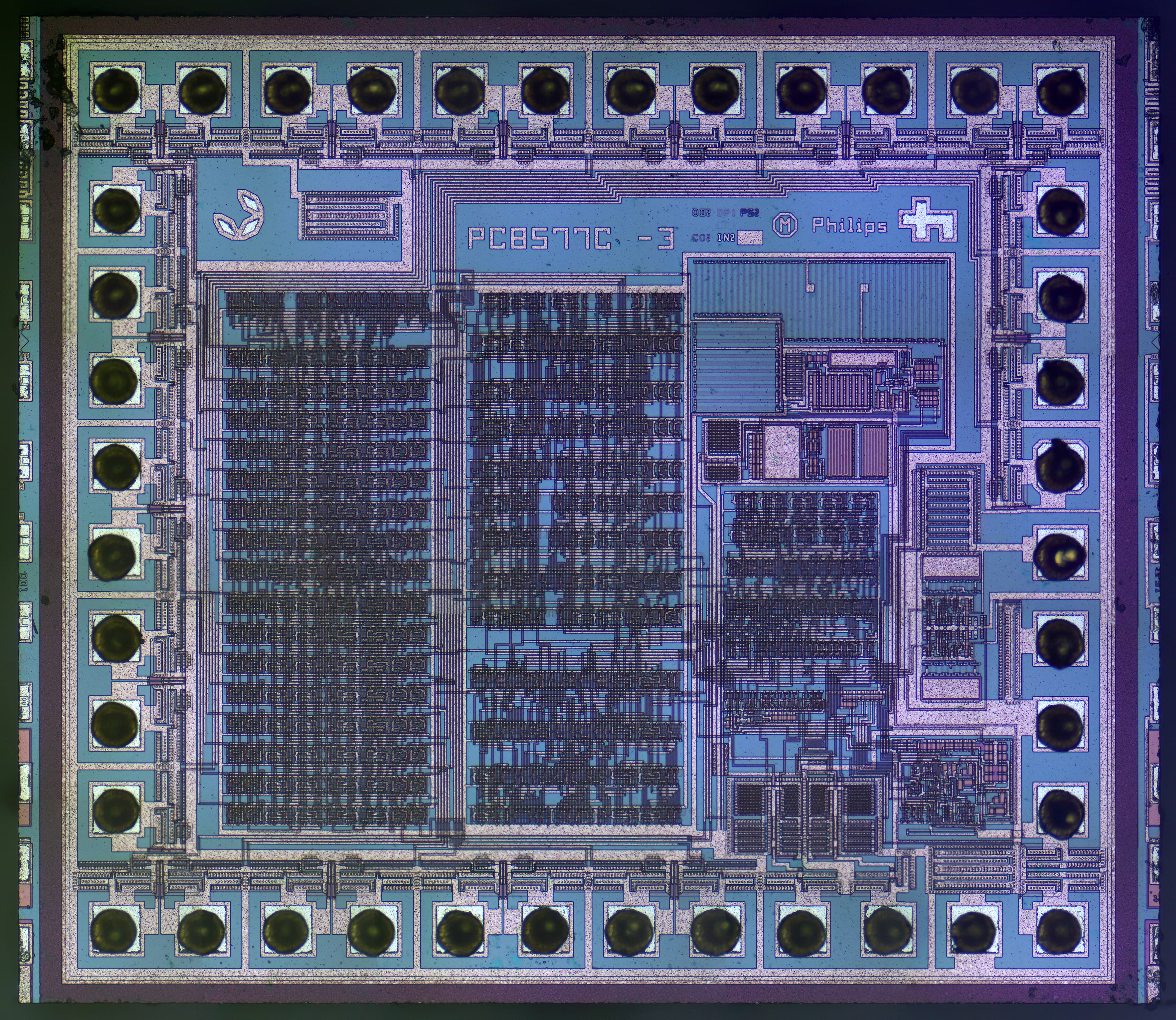
The company has consistently pursued advancements in manufacturing technology to maintain its competitive edge. This includes transitions to advanced nodes like 1-alpha DRAM, 176-layer NAND, 1-beta DRAM, and 232-layer NAND, which are vital for meeting the increasing demands of modern computing.
In previous fiscal periods, the memory industry faced considerable headwinds. Fiscal year 2023 saw Micron reporting financial losses, with full-year revenue declining significantly compared to the prior year. During this challenging time, Sanjay Mehrotra, President and CEO of Micron Technology, publicly acknowledged that the memory industry had likely "passed its trough in revenue" and anticipated improved margins as the supply-demand balance gradually restored. He also noted that the company's 2023 performance positioned it well for a market recovery in 2024, driven by increasing demand and disciplined supply, with expectations for record industry Total Addressable Market (TAM) revenue in 2025 due to the proliferation of AI.
A related ongoing storyline impacting Micron's operations involved a decision by the Cyberspace Administration of China (CAC) in fiscal Q3 2023. This regulatory action was identified as a "significant headwind" that affected Micron's outlook and slowed its recovery. Approximately 25% of Micron's global revenue at the time originated from customers in China and Hong Kong, with roughly half of that portion, representing a low double-digit percentage of global revenue, being at risk due to the CAC decision. In response, Micron aimed to mitigate this impact by reallocating its volume to unaffected global customers, striving to retain its global market share in both DRAM and NAND over time.
Sanjay Mehrotra, a prominent figure in the semiconductor industry, stated that the company's ambitious outlook represented "a quarter of substantial records across revenue, gross margin, earnings per share, and free cash flow." His leadership has consistently emphasized technology leadership and strategic product development, guiding Micron through various market cycles.
The positive momentum observed on May 19, 2026, with Micron's 6% stock surge and the ambitious $18.7 billion revenue forecast for fiscal Q2 2026, underscores a potential turning point for the company and the broader memory sector. This resurgence is primarily driven by the escalating demand for AI-related memory solutions and strategic operational adjustments that are helping the company navigate complex global market dynamics.
As the industry continues to evolve, Micron's ability to capitalize on the AI boom and effectively manage supply chain challenges will be crucial. The company's performance remains a key indicator for the health and direction of the entire memory and storage market.