Home
Explore
Notifs
Profile

Black-owned · Built for the global diaspora · Curated pins from Black and melanated creators across hair, style, beauty, home, and art.

Formerly Melaninterest.com

m
melanin
AboutHelpTermsPrivacyCommunity GuidelinesCreators

© 2026 Melanin. All rights reserved.

Mmelanin
HomeExploreCreatorsNewsCreate
Ctrl+K
Log inSign up
Mmelanin
HomeExploreCreatorsNewsCreate
Ctrl+K
Log inSign up
Michael Bempah Builds Multi-Million Dollar Engineering Firm, Rebuilds Community — Melanin News | Melanin
Mmelanin
HomeExploreCreatorsNewsCreate
Ctrl+K
Log inSign up
All news
Michael Bempah Builds Multi-Million Dollar Engineering Firm, Rebuilds CommunityCulture

Michael Bempah Builds Multi-Million Dollar Engineering Firm, Rebuilds Community

3d ago

From the streets of Chicago's Englewood to the helm of a multi-million dollar engineering firm, Michael Bempah's journey is a testament to vision and determination. He's not just building infrastructure; he's building pathways for Black engineers, transforming an industry one project at a time.

Bempah, a professional engineer, founded Pinpoint Precision Engineering in 2017 with a clear purpose: to cultivate an environment where Black engineers thrive and to empower communities that have historically been overlooked. His firm has since grown to a diverse team of 30 professionals, specializing in crucial civil engineering and infrastructure development. Their work spans construction management, fiber installation, roadway design, utility infrastructure, land development, and transportation management across Illinois.
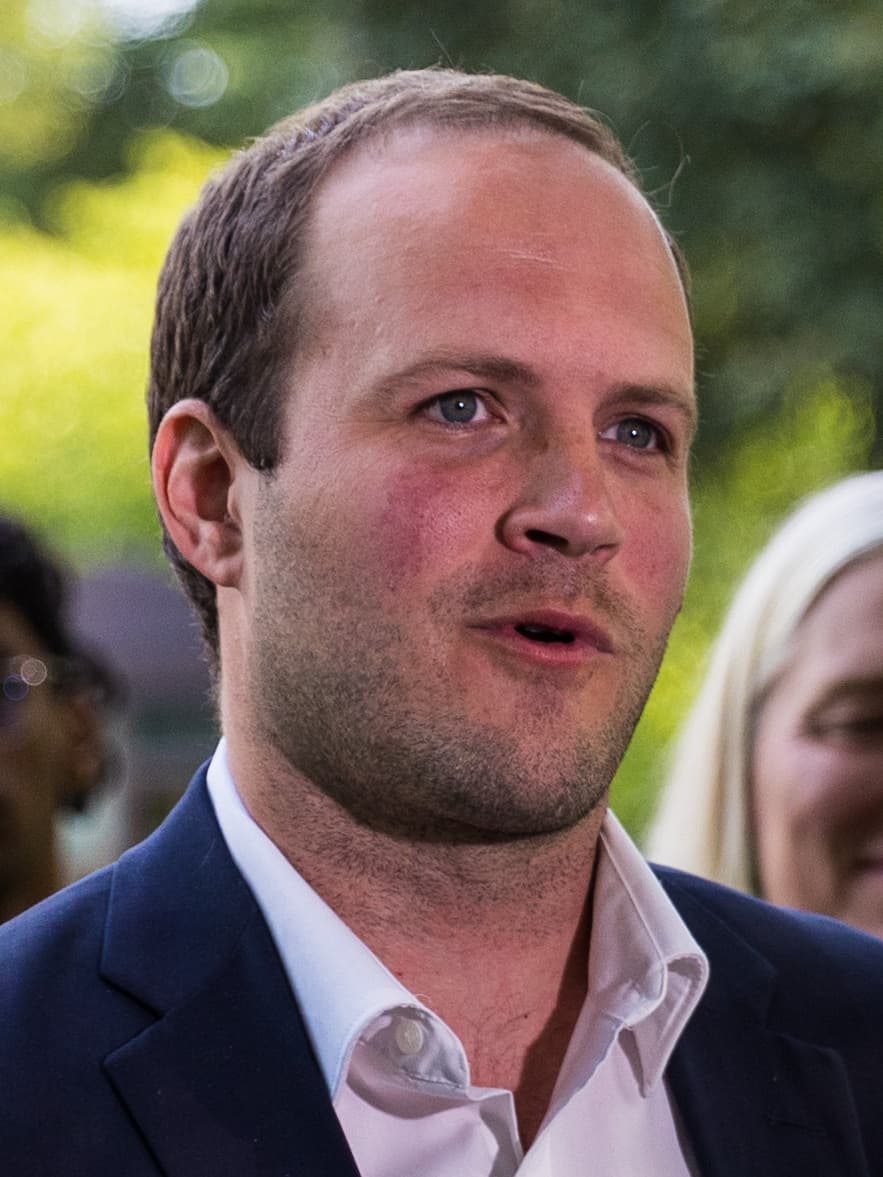
Nate Erskine-Smith
Nate Erskine-Smith Source

With over 16 years of experience in civil engineering, including a tenure as a transportation engineer for the Illinois Department of Transportation, Bempah brings extensive expertise to his projects. Pinpoint Precision Engineering has successfully secured significant contracts with both government and private-sector clients, contributing to vital advancements in infrastructure throughout the state.

Bempah's path into engineering was far from typical. Growing up in Englewood, a neighborhood where success often seemed tied to sports or entertainment rather than engineering careers, he initially lacked exposure to the field. His career trajectory shifted dramatically after he enrolled in a college career exploration class, which opened his eyes to the possibilities within engineering. This personal experience fuels his commitment to making the industry more visible and accessible to others from similar backgrounds.

His dedication extends beyond his firm's projects, as Bempah actively addresses historical inequities within civil engineering. He has publicly articulated his commitment to ensuring that communities like Englewood are revitalized by professionals who mirror their demographics. "I started the firm to ensure we had opportunities to rebuild our community and to see people that look like us working on roads and infrastructure projects," Bempah stated. He further explained, "Typically, when you look at different communities, you do not see the people from that community doing meaningful, high-paying work. That is something I wanted to change and create opportunities for people who look like me."

Civil engineering
Civil engineering Source

Operating as a Black executive in an industry predominantly led by white males presents its own set of challenges, including navigating opposition and reluctance from established entities when securing contracts. Bempah emphasizes the necessity of intentionality in building a diverse team, acknowledging, "There are not a lot of Black people in civil engineering, so it is hard to find qualified individuals. You have to be intentional. You have to look deep, network, go to events and conferences."

To amplify his mission of increasing access and awareness, Bempah authored two books. "Can We Be Honest About Money?" provides guidance on financial literacy and stock trading. His second book, "How to Become a Civil Engineer: Bridging the Gap," released by August 2024, aims to inspire teenagers to explore civil engineering careers. This book details the breadth of career paths available and exposes the historical context of how infrastructure has been used to disadvantage Black communities, such as the deliberate routing of expressways through thriving neighborhoods. Bempah argues that phrases like "on the wrong side of the tracks" were not accidental but "engineered."

Furthering his commitment to youth development, Bempah established the Pinpoint Scholars Foundation (PSF) in 2025. This non-profit organization focuses on exposing young people to STEM careers early in life through successful role models, workshops, seminars, and programming. The foundation also provides scholarships to students pursuing these fields. Around March 4, 2026, coinciding with World Engineering Day, Bempah launched the Pinpoint Scholars Fund to provide hands-on engineering kits, support STEM workshops, fund mentorship opportunities, and expand access to civil engineering enrichment programs. He articulated his motivation for the foundation, saying, "I just decided to increase exposure and visibility of this industry to our community so our youth and our young people can aspire to be civil engineers and come in to rebuild the community."

Bempah's work underscores a critical need for diversity in the engineering field. Reports indicate that only 5% of all engineers in the U.S. are Black, with Black men comprising 3% and Black women 2%. Black engineers often face obstacles such as the need to constantly prove their competence, disparities in pay, and limited opportunities for advancement. For instance, Black and Latinx engineers with bachelor's degrees reportedly earn significantly less than their white and Asian counterparts, frequently requiring graduate degrees to achieve comparable earnings. The civil engineering sector specifically has been identified as having the lowest average earnings among engineering subdivisions for Black and Latinx engineers.

Major organizations like the American Society of Civil Engineers (ASCE) and the Institution of Civil Engineers (ICE) have recognized the importance of diversity, equity, and inclusion. The ASCE, for example, adopted Canon 8 of its Code of Ethics in 2017 to address inequities and promote inclusive practices. These broader efforts highlight an ongoing storyline in the industry: the pursuit of a more representative and equitable engineering workforce. Michael Bempah, through his multi-faceted endeavors including his firm, his books, and his foundation, is a significant contributor to this vital movement. Beyond his engineering and philanthropic work, Bempah also operates as a licensed real estate broker, leading "The Bempah Group" of seven real estate agents, further extending his impact on community development and economic empowerment.