Home
Explore
Notifs
Profile

Black-owned · Built for the global diaspora · Curated pins from Black and melanated creators across hair, style, beauty, home, and art.

Formerly Melaninterest.com

m
melanin
AboutHelpTermsPrivacyCommunity GuidelinesCreators

© 2026 Melanin. All rights reserved.

Mmelanin
HomeExploreCreatorsNewsCreate
Ctrl+K
Log inSign up
Mmelanin
HomeExploreCreatorsNewsCreate
Ctrl+K
Log inSign up
Lupita Nyong'o Claps Back at Elon Musk Over Helen of Troy Casting Criticism — Melanin News | Melanin
Mmelanin
HomeExploreCreatorsNewsCreate
Ctrl+K
Log inSign up
All news
Lupita Nyong'o Claps Back at Elon Musk Over Helen of Troy Casting CriticismDrama

Lupita Nyong'o Claps Back at Elon Musk Over Helen of Troy Casting Criticism

1w ago

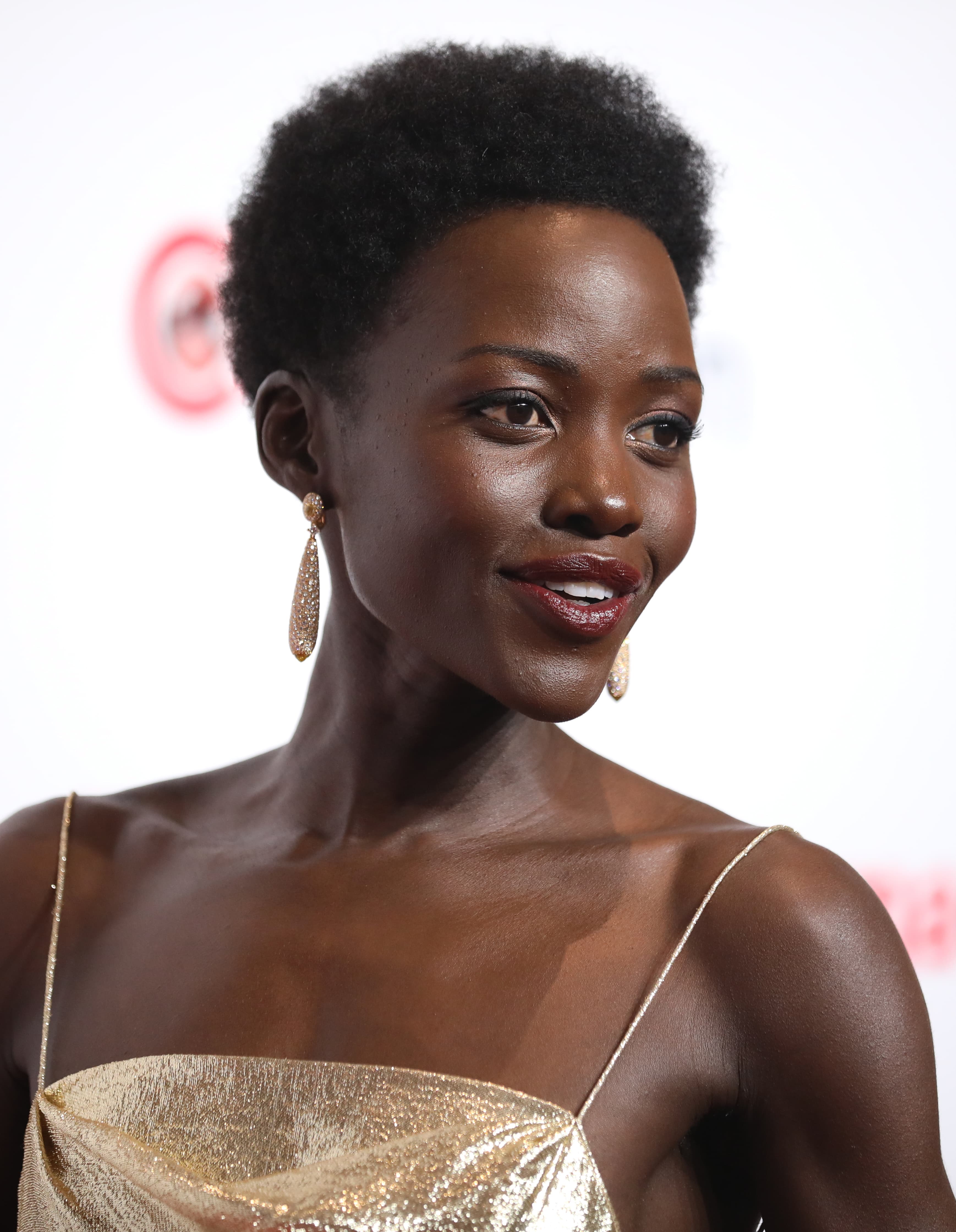
Lupita Nyong'o is not holding back. The Academy Award-winning actress has publicly pushed back against the wave of criticism, spearheaded by figures like Elon Musk, following her casting as Helen of Troy in Christopher Nolan's highly anticipated film, "The Odyssey."

The controversy ignited after Musk and various conservative commentators voiced objections to Nyong'o's role, with Musk reportedly labeling the casting a "DEI hire" and suggesting it was an attempt to garner awards. Nyong'o, known for her powerful performances, made it clear in an interview with Elle magazine that she has no time for such arguments, asserting that ancient mythology transcends racial boundaries.

Image related to Lupita Nyong'o Claps Back at Elon Musk Over Helen of Troy Casting Criticism
Related image from the original report Source

According to reports, Nolan's epic project, "The Odyssey," began its journey in March 2024 when the acclaimed director started penning the script. By October 2024, Universal Pictures had officially secured the film, with early attachments including stars Matt Damon and Tom Holland. The movie's official announcement came in December 2024, setting a release date for July 17, 2026. The production boasts a reported budget of $250 million, and its expansive cast also features Anne Hathaway, Travis Scott, and Zendaya.

Nyong'o’s casting has brought to light a recurring discussion within Hollywood regarding representation and historical interpretation. While critics often cite historical accuracy when a Black actor is cast in a traditionally white role, the industry has a long-standing pattern of casting white actors in roles originally conceived as characters of color. Examples include Scarlett Johansson in "Ghost in the Shell" and Emma Stone in "Aloha," which largely escaped similar levels of public outcry.

This double standard is not new to Nyong'o. Following her Oscar win for "12 Years a Slave," she reported being consistently offered roles as enslaved women, a pattern she described as "disappointing, but not surprising." She observed that Hollywood's creative limitations are often "exacerbated by the racial component," highlighting a deeper issue within the industry's approach to diversity.
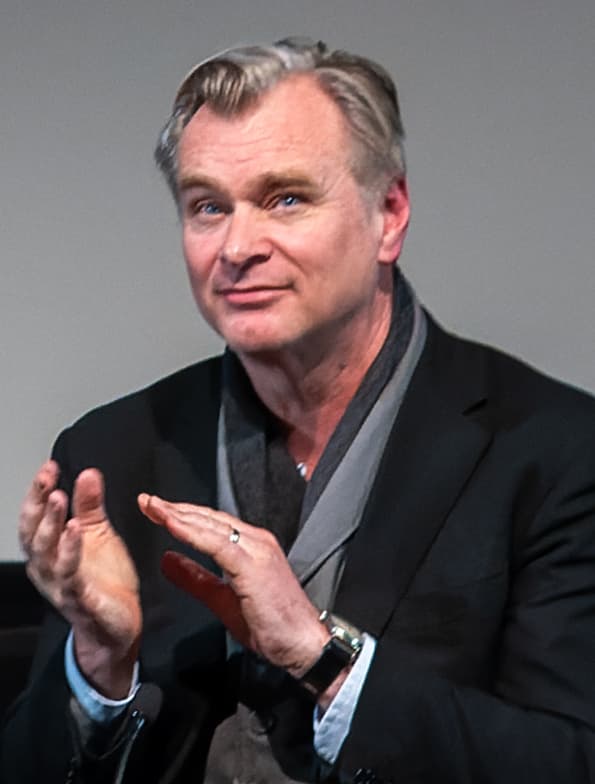
Christopher Nolan
Christopher Nolan Source

In her conversation with Elle, Nyong'o directly challenged the premise of the criticism. "This is a mythological story," she stated, emphasizing that the film's cast is designed to be "representative of the world we actually live in." She dismissed the notion of needing to defend her presence in the role, noting that "the criticism will exist whether I engage with it or not." She also addressed the fixation on Helen being the "most beautiful woman in the world," arguing that "you can't perform beauty" and that a character's depth and complexity are far more crucial than superficial appearance.

Director Christopher Nolan has also publicly supported his casting decision. He reportedly stated that "The strength and the poise were so important to the character of Helen. And Lupita makes it look effortless," underscoring his confidence in Nyong'o's ability to embody the role's essential qualities.

The ongoing debate surrounding "The Odyssey" and Nyong'o's role is more than just about one film; it reflects a broader cultural conversation about who gets to tell stories, who gets to be seen, and the perceived boundaries of artistic license. It challenges the traditional Eurocentric interpretations of classical narratives and pushes for a more inclusive vision that mirrors global audiences.

Nyong'o's steadfast resolve in the face of public scrutiny serves as a powerful statement for many. She concluded her remarks with a defiant declaration: "I can't spend my time thinking about all the people who still don't love me. You'll find the representatives who believe in you, and you'll get on with it. I want to believe I'm built to last." Her stance reinforces the importance of artistic freedom and the ongoing fight for equitable representation in major cinematic productions.