CultureMillions of travelers breathed a collective sigh of relief as Lufthansa announced stable jet fuel supplies for the upcoming 2026 summer travel season. This positive update comes after a period of significant uncertainty and disruptions within the European aviation sector, which had been grappling with the direct fallout of escalating geopolitical tensions.
Dieter Vranckx, Chief Commercial Officer of the Lufthansa Group, delivered the reassuring news on May 27, 2026. He confidently stated that the airline's suppliers showed no indication of fuel supply risks for the summer, giving the green light for customers to book their vacations without concern. Vranckx affirmed, "Fuel supply is stable, so summer's good to go," a sentiment that extends across Lufthansa's key operational centers in Frankfurt, Munich, Zurich, Vienna, Brussels, and Rome, alongside its extensive international network.
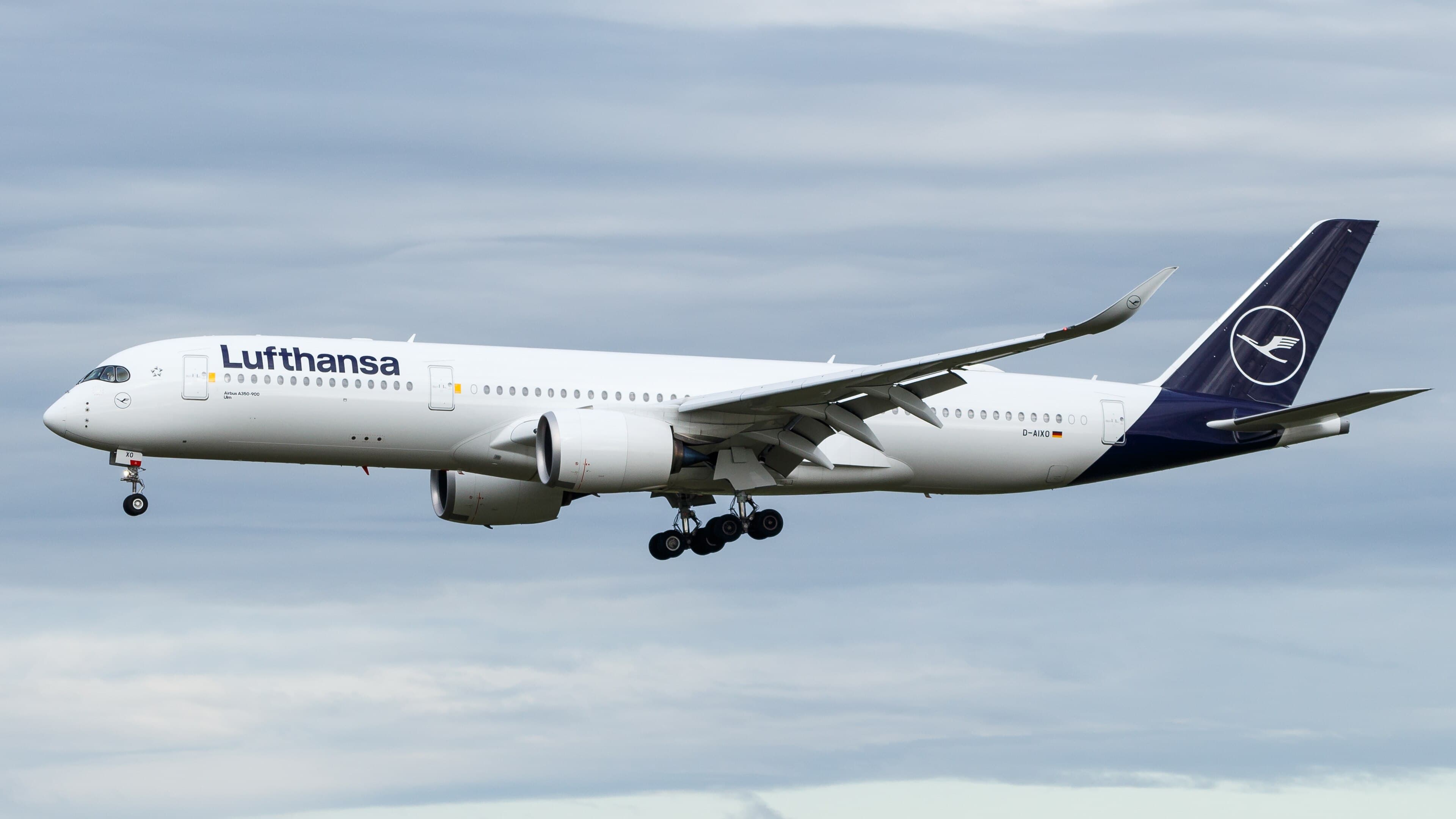
This renewed confidence is a direct result of Lufthansa's diversified sourcing strategies. According to Vranckx, imports are now increasingly flowing in from other continents, including North America and Africa. Additionally, European refineries have ramped up their jet fuel production to maximum capacity. These global supply chain adjustments aim to mitigate potential vulnerabilities that arose from the closure of the Strait of Hormuz, a critical shipping lane that typically handles about a quarter of Europe's jet fuel.
The broader context leading to this crisis began in late February 2026 with the conflict involving the U.S. and Israel against Iran. This geopolitical standoff culminated in Iran's closure of the Strait of Hormuz on February 28, 2026. As a vital chokepoint for approximately 20% of global oil and refined jet fuel, its closure triggered a dramatic surge in aviation kerosene prices across Europe, which more than doubled since the conflict's onset.
The volatile environment forced major airlines to reassess their summer schedules. Lufthansa was among the first to react, grounding 31 aircraft by April 16, 2026, due to the unfolding fuel crisis. This included 27 regional jets from Lufthansa CityLine and four older mainline aircraft, leading to immediate flight cancellations on European regional routes and some long-haul services throughout the peak summer season. The Lufthansa Group further announced on April 21 and 22, 2026, a strategic optimization of its summer flight schedule, which involved canceling approximately 20,000 short-haul flights through October.

These cancellations, while significant, affected less than one percent of the Group's total capacity in available seat kilometers and were projected to save over 40,000 metric tons of jet fuel. The cuts primarily targeted unprofitable routes, particularly at its major hubs in Frankfurt and Munich, while simultaneously expanding offerings in Zurich, Vienna, and Brussels to maintain global connectivity through more efficient long-haul connections. Destinations like Bydgoszcz and Rzeszów in Poland, and Stavanger in Norway, were temporarily dropped from the schedule. Passengers impacted by these changes were notified directly, with EU passenger rights rules (EC 261/2004) ensuring full refunds or rebooking options.
The severity of the situation was underscored by broader European data. On April 25, 2026, the International Energy Agency (IEA) reported that regional jet fuel stocks in Europe had fallen below 20 days of coverage, a level signaling significant supply stress. The IEA considers 23 days as the minimum buffer before physical shortages can impact airport operations. While the UK maintained 31 days of coverage, countries such as Spain, Germany, and France were experiencing negative refinery balances, consuming more jet fuel than they produced domestically. Other carriers also felt the pinch; Ryanair began reviewing its summer schedule for potential reductions, and SAS had already canceled around 1,000 flights. US carriers, including Delta Air Lines, Southwest, and American Airlines, raised baggage fees and monitored transatlantic routes, though they had not announced capacity cuts at that time. Lufthansa's own hedging strategy, which covered approximately 80% of its 2026 fuel needs primarily in crude oil and gasoil rather than aviation fuel, resulted in an estimated $1 billion financial hit.
Lufthansa's ability to navigate this complex landscape and secure its fuel supply highlights the critical importance of robust and diversified supply chains for airlines, especially in an era of heightened geopolitical instability. The company's prior experiences, such as flying empty Boeing 747 jumbo jets over 2,000 kilometers just to pick up fuel in January 2025 due to shortages, and the reactivation of its A380 superjumbos in June 2022 despite soaring fuel prices, demonstrate the ongoing challenges faced by the aviation industry. These incidents underscore how global events, operational decisions, and passenger confidence are intricately linked.
With fuel supplies now stabilized across its extensive route network, spanning over 300 destinations across more than 100 countries, Lufthansa aims to offer diverse travel options for city breaks, beach holidays, and business travel throughout the summer months. This positive outlook, following earlier reports in late April and early May anticipating a largely stable fuel supply for planned summer flights, offers a crucial anchor of stability for the travel industry and a hopeful sign for millions ready to take to the skies.