 Celebrity
Lizzo Calls Out Atlantic Records Over Album Rollout Chaos
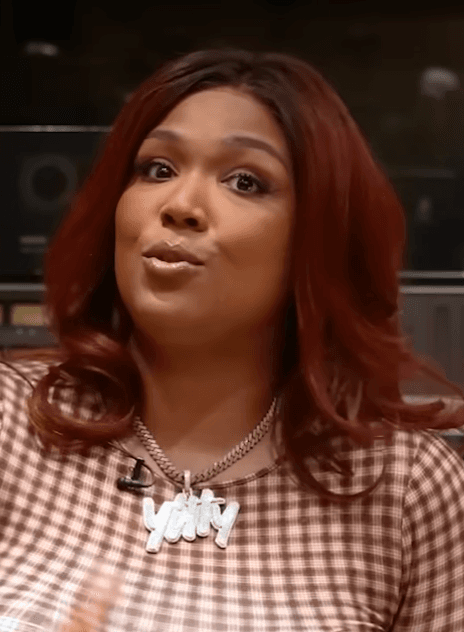
Lizzo is gearing up to drop her new album, B*tch, but the road to its June 5 release has been anything but smooth. The Grammy and Emmy winner has been vocal about her frustrations, publicly calling out Atlantic Records for an alleged lack of marketing support and slamming social media algorithms for stifling her reach.
Melissa Viviane Jefferson, known professionally as Lizzo, unveiled the 12-track project, B*tch, on April 27, 2026, which also marked her 38th birthday. The title track, also named "B*tch," followed shortly after, dropping on May 1, 2026, complete with an official music video. Lizzo has explained that the album's provocative title is a deliberate reclamation of the word, drawing inspiration from artists like Meredith Brooks and Missy Elliott, who have previously used the term in empowering ways.

However, the promotional efforts for the album have reportedly stalled. In mid-May, Lizzo took to TikTok, stating that with 23 days until the album's release, she felt "nobody even knows that." She pointed fingers directly at Atlantic Records, her label since 2016, claiming approved billboards, advertisements, and various marketing strategies discussed in meetings never materialized. "I definitely approved the billboards in the marketing meetings. I definitely approved ads, but crickets," she stated in a video around May 20, 2026, highlighting a perceived disconnect between planned and executed promotional activities.
Her frustration extends to the digital landscape, where she believes "the algorithm-based way that social media functions now is destroying the music industry." Lizzo noted that even her private social media page, with 280,000 dedicated supporters, struggles to effectively reach its audience due to content being displayed out of chronological order. She further alleged in a caption that "the algorithm is racist and fatphobic," suggesting systemic biases are hindering her ability to effectively promote her music and connect with her fanbase.
The tracklist for B*tch includes a diverse range of titles: "A Toast," "Happy 2 Be," "Don't Make Me Love U," "B####," "She Stole My Man," "Whose Hair Is This?," "Little Black Cat," "Sexy Ladies" featuring UCB, "That Grrrl," "Too Nice," "Like a Crime," and "Goodmorning!" "Don't Make Me Love U" was released as a single prior to the full album drop, giving fans a taste of the upcoming project.

This isn't Lizzo's first major release, and her career has seen significant commercial success. Her 2022 album, Special, found widespread acclaim, peaking at number two on the Billboard 200. That project featured the smash hit "About Damn Time," which climbed to number one on the charts and earned a prestigious Grammy Award for Record of the Year. Other notable tracks from Special included "Grrrls" and "2 Be Loved (Am I Ready)," further cementing her status as a hitmaker.
Prior to Special, her 2019 major-label debut, Cuz I Love You, reached number four on the Billboard 200. It remained in the top ten for an extended period, earning a Grammy for Best Urban Contemporary Album. Popular singles from Cuz I Love You included "Juice" and "Tempo," with its deluxe edition boasting the Billboard Hot 100 number one hit "Truth Hurts," showcasing her consistent ability to produce chart-topping music.
Despite her proven track record of delivering chart-topping hits and critically acclaimed albums, Lizzo feels compelled to take matters into her own hands for B*tch. She has been posting daily on her backup social media account and reportedly resorted to physically plastering promotional posters around town to bypass the algorithm's restrictions and reach her fanbase. She also appeared on CBS Mornings in May 2026 to discuss the album and its inspirations, taking direct action to generate buzz.
Lizzo expressed her deep disappointment with the alleged lack of label support, stating, "I don't know, but I'm crashing out on my label right now because I just really like — I feel like there's not any marketing money being put toward my ideas." She mentioned regularly sending promotional suggestions to the label via text, but these ideas were reportedly not implemented, leaving her feeling "down about it" and frustrated with the apparent inaction.
Her critique of social media was equally sharp and pointed. "Ever since the algorithm has been showing us things out of order, baby, there's no way to successfully promote your album where everyone knows your album is coming," she explained in a TikTok video. This highlights a fundamental challenge many artists face in the current digital landscape, where organic reach can be unpredictable and difficult to control.
Lizzo's current predicament highlights a growing concern across the music industry regarding the effectiveness of traditional promotional structures and the significant influence of social media algorithms on an artist's ability to connect with their audience and drive album sales. The digital landscape has fundamentally altered how music is discovered and promoted, and artists are increasingly finding themselves battling against platform mechanics that can feel arbitrary and restrictive.
This isn't the first time Atlantic Records has faced public scrutiny from its artists regarding promotional support. Other prominent figures have detailed their own contentious experiences with the label. Cardi B reportedly faced challenges promoting her album Am I the Drama? with an allegedly minimal budget after the label supposedly withheld substantial marketing support. Lupe Fiasco claimed Atlantic Records refused to promote his work unless he agreed to a "360 deal," which would give the label a share of income beyond just music sales. The label has also had to deny accusations of "botting" or using fake streams for artists, claims that have circulated within the industry, underscoring a pattern of disputes.
As the June 5 release date for B*tch approaches, all eyes are on how Lizzo's public pushback will impact the album's reception and whether her candid criticism will prompt any response from Atlantic Records or spark broader conversations about artist support in the streaming era. Her independent efforts to promote the project underscore the evolving challenges artists face in a rapidly changing music landscape, where direct engagement with fans is becoming increasingly crucial.