Home
Explore
Notifs
Profile

Black-owned · Built for the global diaspora · Curated pins from Black and melanated creators across hair, style, beauty, home, and art.

Formerly Melaninterest.com

m
melanin
AboutHelpTermsPrivacyCommunity GuidelinesCreators

© 2026 Melanin. All rights reserved.

Mmelanin
HomeExploreCreatorsNewsCreate
Ctrl+K
Log inSign up
Mmelanin
HomeExploreCreatorsNewsCreate
Ctrl+K
Log inSign up
Lewis Hamilton Ditches Ferrari Sim, Dominates Teammate — Melanin News | Melanin
Mmelanin
HomeExploreCreatorsNewsCreate
Ctrl+K
Log inSign up
All news
Lewis Hamilton Ditches Ferrari Sim, Dominates TeammateSports

Lewis Hamilton Ditches Ferrari Sim, Dominates Teammate

1w ago

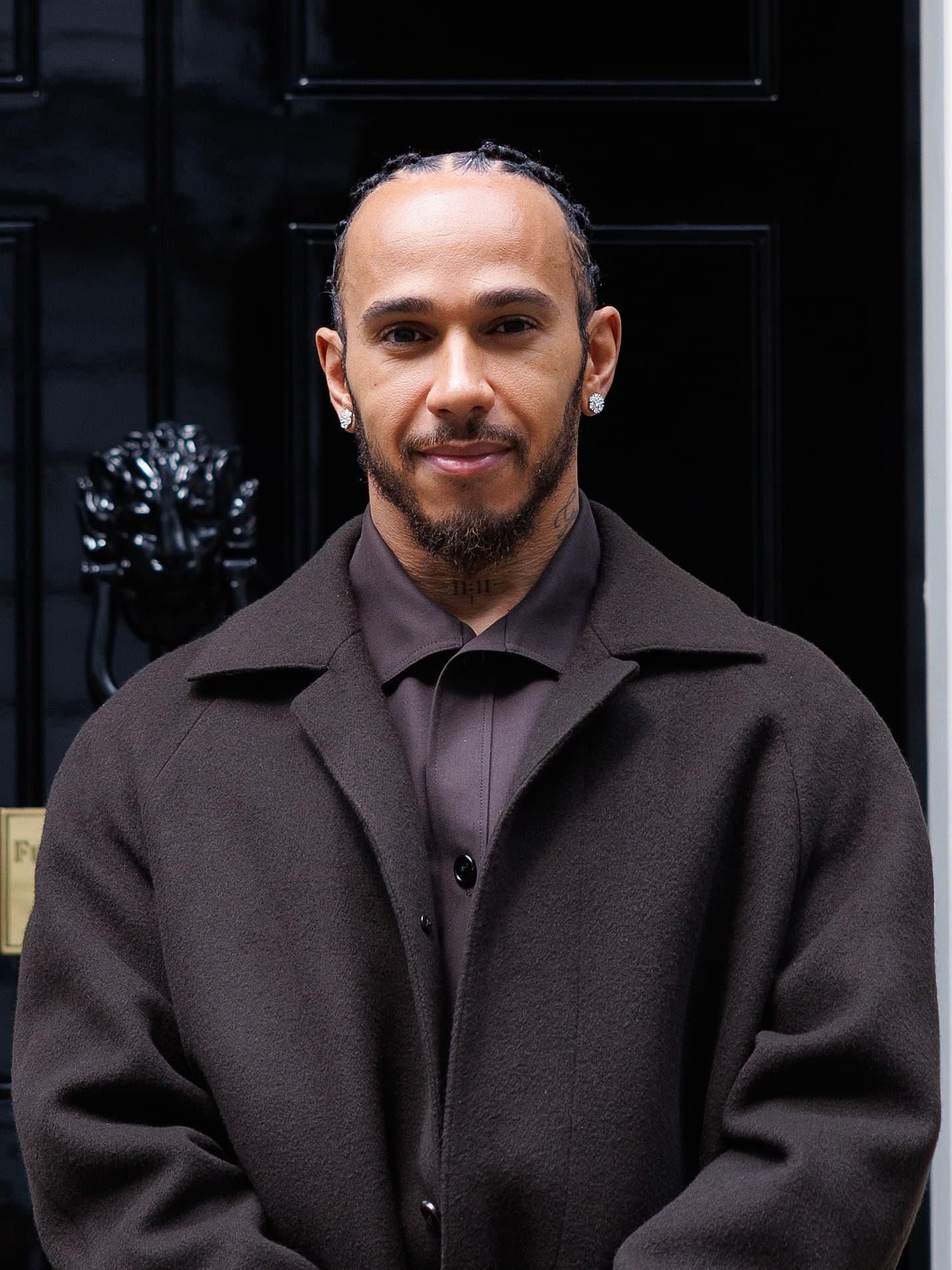
Seven-time Formula 1 World Champion Lewis Hamilton made headlines recently, not just for his driving prowess, but for a bold decision off the track. The British racing icon chose to forgo Ferrari’s highly advanced simulator in preparation for the 2026 Canadian Grand Prix in Montreal. This unconventional move, born from a growing frustration with the virtual tool, ultimately saw Hamilton deliver a commanding performance, leaving many to question the traditional methods of race preparation.

Arriving in Montreal without the usual simulator prep, Hamilton qualified fifth on the grid for the main race. More notably, he consistently outperformed his Ferrari teammate, Charles Leclerc, throughout the entire Grand Prix weekend. Across all six sessions, including both sprint and main qualifying runs, Hamilton proved faster. He clocked in 0.084 seconds quicker than Leclerc in the sprint and maintained his edge in the grand prix shootout, finishing 0.108 seconds ahead.

Image related to Lewis Hamilton Ditches Ferrari Sim, Dominates Teammate
Related image from the original report Source

This marked the second time in the 2026 season that Hamilton opted to skip the simulator. His previous instance was for the Chinese Grand Prix, a race weekend he later described as his strongest of the year, suggesting a pattern of success without the virtual aid. The Canadian Grand Prix qualifying sessions took place on May 23-24, 2026. The main race, held on May 24, 2026, saw Hamilton secure an impressive second-place finish, trailing only Mercedes’ Kimi Antonelli and placing ahead of Red Bull’s Max Verstappen and his teammate Charles Leclerc, who came in fourth.

Hamilton's decision stemmed from a public expression of dissatisfaction following a challenging Saturday at the Miami Grand Prix earlier in May. On May 3, 2026, after finishing seventh in the Sprint and qualifying sixth for the main race, he voiced concerns that the simulator was "sending me in the wrong direction." He noted a significant difference between the initial car setup, partly influenced by simulator work, and the improved performance achieved only after extensive trackside adjustments. The car, he stated, felt "miles different from the sprint, and from yesterday," leading him to declare, "I think the simulator really sends me in the wrong direction. So I think I might cut that out now." This statement clearly foreshadowed his subsequent choice for Montreal.
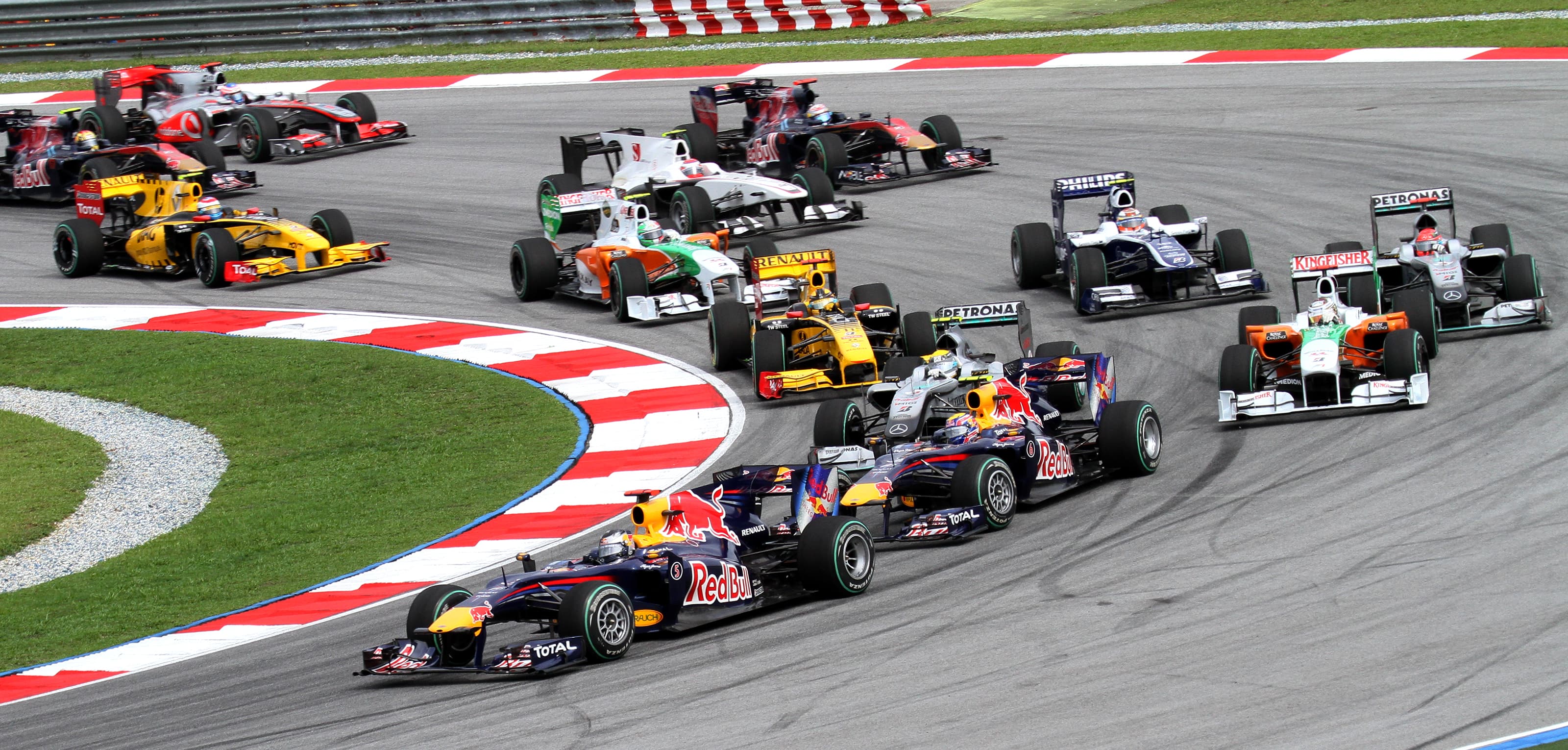
Confirming his decision upon arrival in Montreal on Thursday, May 21, 2026, Hamilton nevertheless offered praise for the Ferrari facility. He described it as "amazing" and "the best sim I've ever seen and best group of people that I've known." He acknowledged its power as "a very powerful tool and something that as a team, we continue to evolve," even noting his own substantial input in its development since joining Ferrari in 2025. However, Hamilton explained that his experience over the past year, using the simulator weekly, frequently resulted in a disconnect.

Formula One
Formula One Source

"More often than not, I felt, you do all the work on the sim and you get to the track, you find a set-up that you're comfortable with, you get to the track, and it's everything's opposite," Hamilton elaborated. This inconsistency meant he would spend valuable early track sessions "undoing the things you've learned" in the virtual environment. Instead of simulator time, Hamilton invested in intensive data analysis with his engineers for the Canadian Grand Prix. He described "a lot of deep diving on, through corner balance, mechanical balance, corner approaches, brake balance, optimising the brakes, which had been a problem for me for some time." This alternative method, he affirmed, "led to really good integration with my engineers."

Hamilton, a British racing driver, is one of Formula 1's most decorated figures, boasting seven World Drivers' Championships. His move to Ferrari in 2025 followed a long and highly successful tenure with Mercedes. His current contract with Ferrari is reported to run through the end of 2027, with an option for an additional season in 2028. Charles Leclerc, a Monegasque driver, serves as Hamilton's teammate at Ferrari, and their head-to-head performance has become a significant subplot of the 2026 season. Ferrari's Team Principal, Fred Vasseur, oversees the team's operations, including the crucial correlation between simulator and track performance. Notably, Matteo Togninalli, Ferrari's head of track engineering, previously acknowledged a "mistake" in the team's simulations that contributed to a brake problem for Hamilton at the 2025 Singapore Grand Prix, indicating a history of issues with the simulator's predictive capabilities.

Reactions to Hamilton's decision and performance included support from other racing professionals. Former IndyCar driver James Hinchcliffe, speaking on the F1 Nation podcast, deemed Hamilton's feelings "very plausible" and a common sentiment among drivers. Hinchcliffe explained that while simulators can replicate many aspects of racing, "the only thing you can't replicate is the feeling of being inside the race car."

Former F1 driver Jolyon Palmer also weighed in on the implications of Hamilton's performance. Palmer commented on the significance of Hamilton needing to consistently outperform Leclerc in Canada to prevent his 2026 season from "fizzling out," a fate he suggested had befallen Hamilton's 2025 season.

This story underscores the critical role simulators play in modern Formula 1. These advanced tools are integral for vehicle development, driver training, and meticulous race strategy planning. They allow teams to conduct hundreds of virtual laps, preparing for a Grand Prix without the real-world constraints of track time, weather conditions, or exorbitant costs. F1 teams invest heavily in cutting-edge simulators, understanding that their accuracy in replicating real-world car behavior is paramount for gaining a competitive edge. Hamilton's public stance challenges the absolute reliance on these costly systems.

Hamilton's often ambivalent relationship with simulators is not new; it dates back to his first experience in 1997 at McLaren’s old factory. He recalled rarely using the simulator during his dominant years at Mercedes, where he secured six of his seven championships, as he felt their simulator was "quite far off." He has noted only one instance in his two-decade career where a simulator setup perfectly translated to a pole position in real qualifying, which occurred at the 2012 Singapore Grand Prix with McLaren. His recent experience at Ferrari, despite weekly simulator use since joining, had been consistently frustrating due to the lack of correlation between the virtual and real-world performance, making his decision to step away a significant one.

Hamilton's success in Montreal without simulator preparation adds a compelling layer to his 2026 season narrative and his tenure at Ferrari. It highlights the nuanced balance between cutting-edge technology and driver intuition in the high-stakes world of Formula 1. As the season progresses, all eyes will be on whether this new approach continues to yield results for the champion, and how Ferrari will address the correlation issues within its highly touted simulation program.