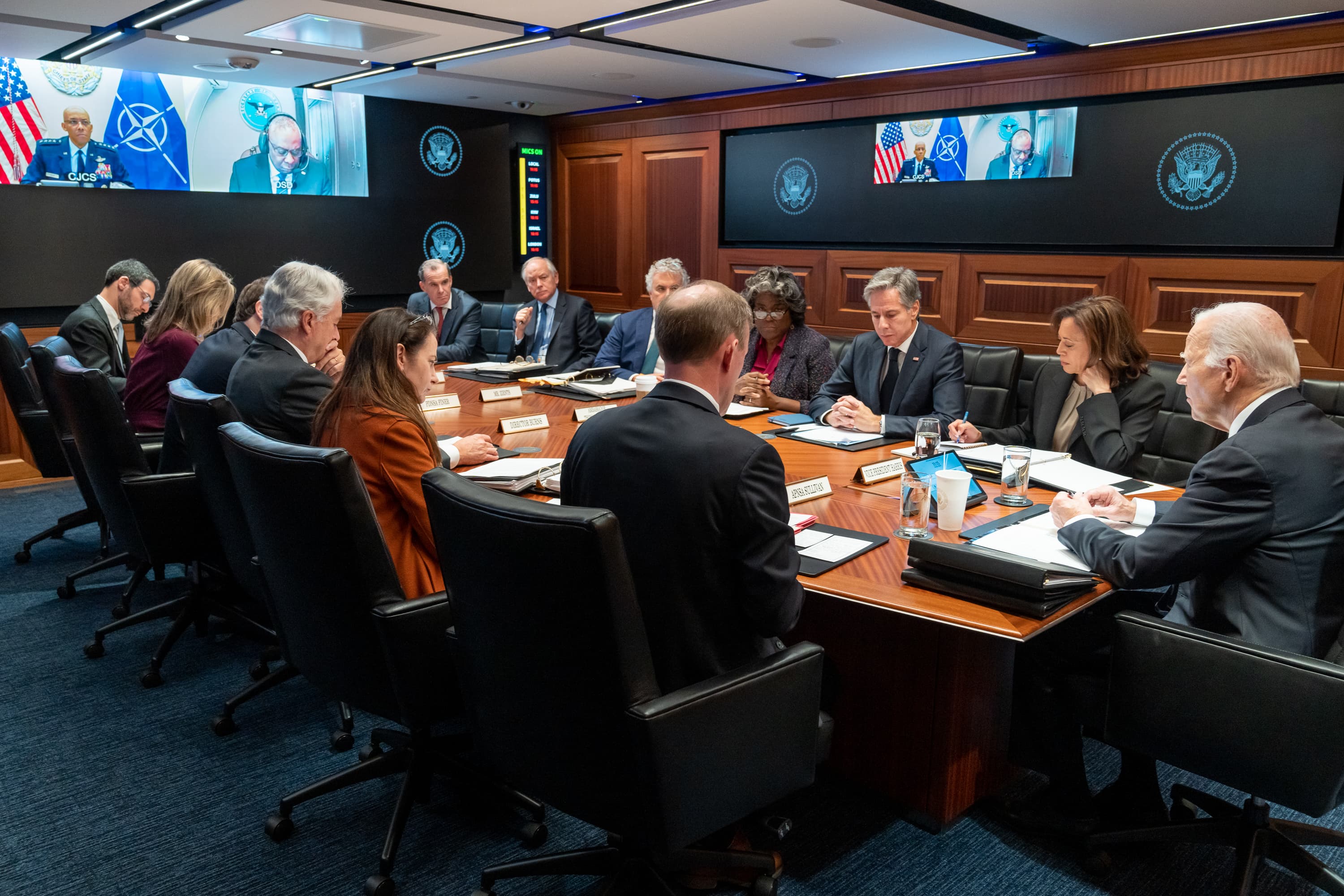
DramaHigh-stakes negotiations between the United States and Iran hit a wall last Friday, May 29, 2026, as President Donald Trump concluded a two-hour meeting in the White House Situation Room without announcing a decision on a potential ceasefire extension. The lack of a resolution was confirmed by a senior administration official, leaving the future of the fragile peace efforts uncertain.
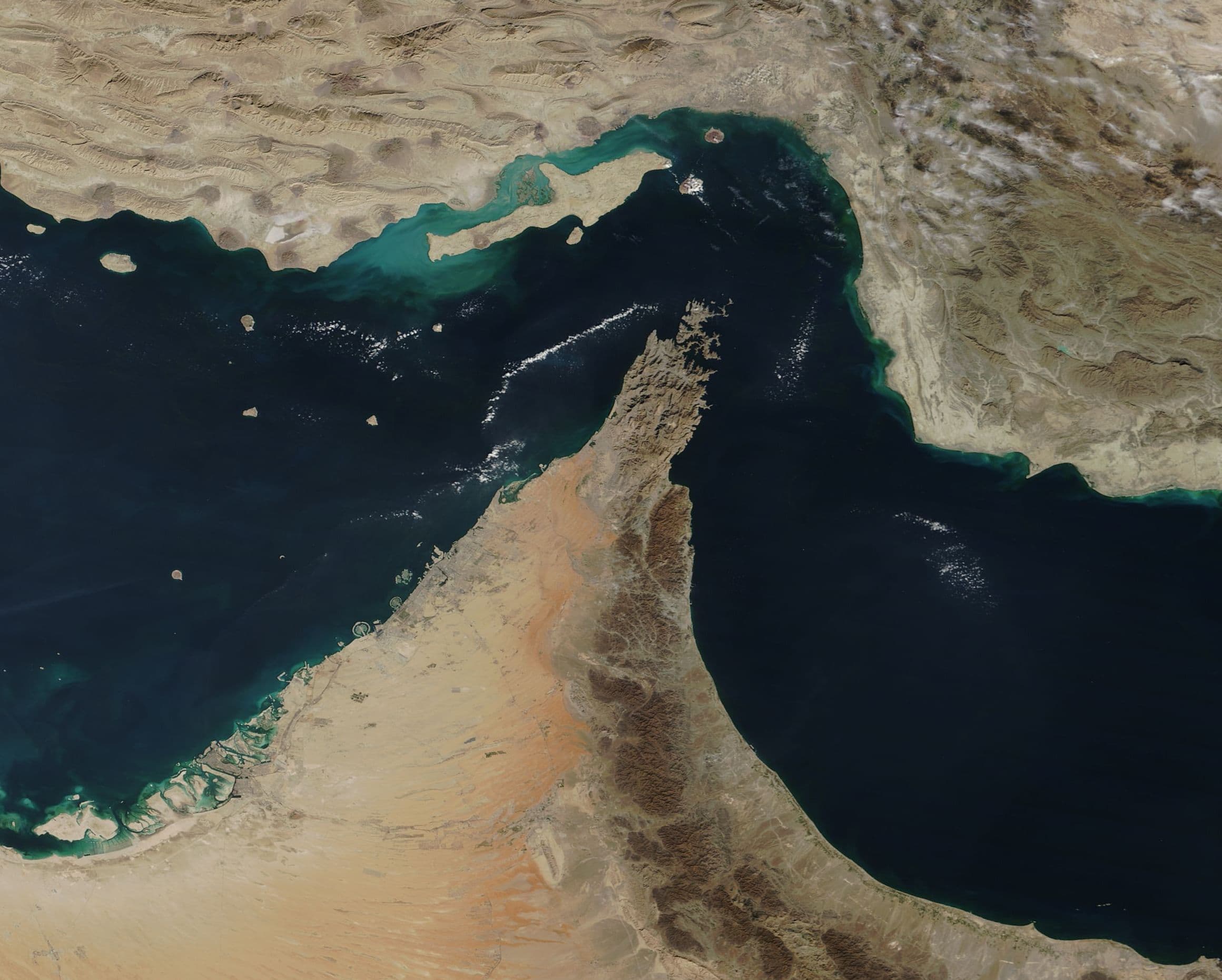
This critical meeting came after intense diplomatic activity aimed at de-escalating a conflict launched by the U.S. and Israel against Iran in late February 2026. Earlier in the week, reports indicated that U.S. and Iranian negotiators had reached a tentative agreement. This proposed deal included a 60-day extension of the existing ceasefire, a new round of talks focused on Iran's nuclear program, the reopening of the vital Strait of Hormuz, and an end to a U.S. naval blockade of Iranian ports.
President Trump had publicly outlined his conditions for any deal via a Truth Social post on the day of the meeting. He insisted that Iran must unequivocally agree to never possess a nuclear weapon or bomb, and demanded the immediate, toll-free, and unrestricted reopening of the Strait of Hormuz. Furthermore, the President called for Iran to collaborate with the U.S. in the "DESTRUCTION" of its highly enriched uranium. He also indicated that the U.S. naval blockade on Iranian ports and vessels "will now be lifted," and stated that "no money will be exchanged, until further notice," possibly referencing discussions about Iran's frozen assets.
The U.S. naval blockade, a significant point of contention, had been imposed on April 13, 2026. This came just five days after a temporary two-week ceasefire between Iran and the United States was announced on April 7, 2026. Iran had previously criticized the blockade as a violation of the ongoing ceasefire, retaliating by imposing its own restrictions on commercial vessels in the Strait of Hormuz. These actions severely limited traffic in the crucial shipping lane and contributed to a rise in global fuel prices.
Leading up to Friday's meeting, there were conflicting signals regarding the progress of the negotiations. Vice President JD Vance stated on Thursday, May 28, that while the U.S. and Iran were "not there yet" on a comprehensive deal, they were "very close." However, Iranian state media, citing a source close to their negotiating team, quickly pushed back, reporting later that Thursday that no agreement had been "finalized nor confirmed" and dismissing Western reports as "incorrect."

Iranian officials continued to express skepticism. Iran's semi-official Fars news agency reported on Friday that the potential deal was still "in the final stages of ratification in Iran and has not yet been decided," openly questioning President Trump's "claims about the Iran deal." Esmaeil Baqaei, Iran's Foreign Ministry spokesman, told state TV on Friday that there were "no negotiations" currently taking place on its nuclear program, emphasizing that their focus was solely on "ending the war." Mohammad Bagher Qalibaf, identified as Iran's main negotiator, voiced deep distrust on X, stating, "No step will be taken before the other side acts," and asserting, "We do not gain concessions through talks, but through missiles."
These stalled talks are set against a tumultuous history of U.S.-Iran relations. In February 2025, President Trump reinstated a "maximum pressure campaign" aimed at compelling Iran into a new nuclear deal and curbing its regional influence, following unsuccessful talks during the prior administration. A significant attempt at a nuclear peace agreement began on April 12, 2025, initiated by a letter from President Trump to Iranian Supreme Leader Ali Khamenei, setting a 60-day deadline. This deadline passed without an agreement, a failure that reportedly led to Israeli strikes against Iran and escalated into the current war. Adding to the volatility, reports in April 2026 indicated the assassinations of Khamenei and Ali Larijani, who was a key figure in negotiations.
The core issues that continue to block a comprehensive deal remain Iran's uranium enrichment activities, the fate of its nuclear stockpile, the demand for sanctions relief, and the full reopening of the Strait of Hormuz. Ethan A. Goldrich, a veteran U.S. diplomat, noted that the U.S. and Iran hold "fundamentally different ideas" on what should be discussed. While President Trump insists Iran cannot possess a nuclear weapon, Iran maintains an inherent right to enrich uranium for non-weapon purposes. The prospect of U.S. troops being involved in "digging up the uranium," as suggested by Trump, is seen as a particularly difficult proposition for Iran.
Compounding these technical disagreements is a deep-seated distrust between the parties, especially after past military attacks on Iran during previous negotiation attempts. This history makes any path to finalizing an agreement significantly more complex. Pakistan has been identified as a key mediator in these ongoing negotiations, with U.S. Secretary of State Marco Rubio reportedly meeting with Pakistan's Foreign Minister Ishaq Dar, though their discussions concluded without public comment on the specific details of the Iran talks.
The lack of a decision from the White House meeting underscores the immense challenges in bridging the divide between these two nations. With a war ongoing and critical shipping lanes affected, the world watches as diplomatic efforts continue to navigate the precarious balance of power and deeply entrenched positions, with no clear path forward immediately visible.