Home
Explore
Notifs
Profile

Black-owned · Built for the global diaspora · Curated pins from Black and melanated creators across hair, style, beauty, home, and art.

Formerly Melaninterest.com

m
melanin
AboutHelpTermsPrivacyCommunity GuidelinesCreators

© 2026 Melanin. All rights reserved.

Mmelanin
HomeExploreCreatorsNewsCreate
Ctrl+K
Log inSign up
Mmelanin
HomeExploreCreatorsNewsCreate
Ctrl+K
Log inSign up
IBM Lands Massive $1 Billion Quantum Deal, Igniting Tech Race — Melanin News | Melanin
Mmelanin
HomeExploreCreatorsNewsCreate
Ctrl+K
Log inSign up
All news
IBM Lands Massive $1 Billion Quantum Deal, Igniting Tech RaceCulture

IBM Lands Massive $1 Billion Quantum Deal, Igniting Tech Race

1w ago

IBM just locked down a game-changing $1 billion federal investment, a move that sent its shares surging and signaled a major push in the high-stakes world of quantum computing. This massive endorsement from the U.S. Department of Commerce marks a significant moment for the tech giant, which will match the federal funds with an additional $1 billion of its own cash.

This combined $2 billion investment is earmarked for establishing Anderon, a brand-new, standalone quantum foundry subsidiary. Set to be headquartered in Albany, New York, Anderon is poised to become America's first pure-play 300-millimeter quantum wafer foundry. Its core mission: manufacturing quantum-grade superconducting wafers. IBM will also contribute substantial intellectual property, assets, and a skilled workforce to this new venture, with expectations for additional investors to join as Anderon expands. Importantly, this foundry is designed to serve the broader industry, making its cutting-edge chipmaking technology available to external customers, including potential competitors.
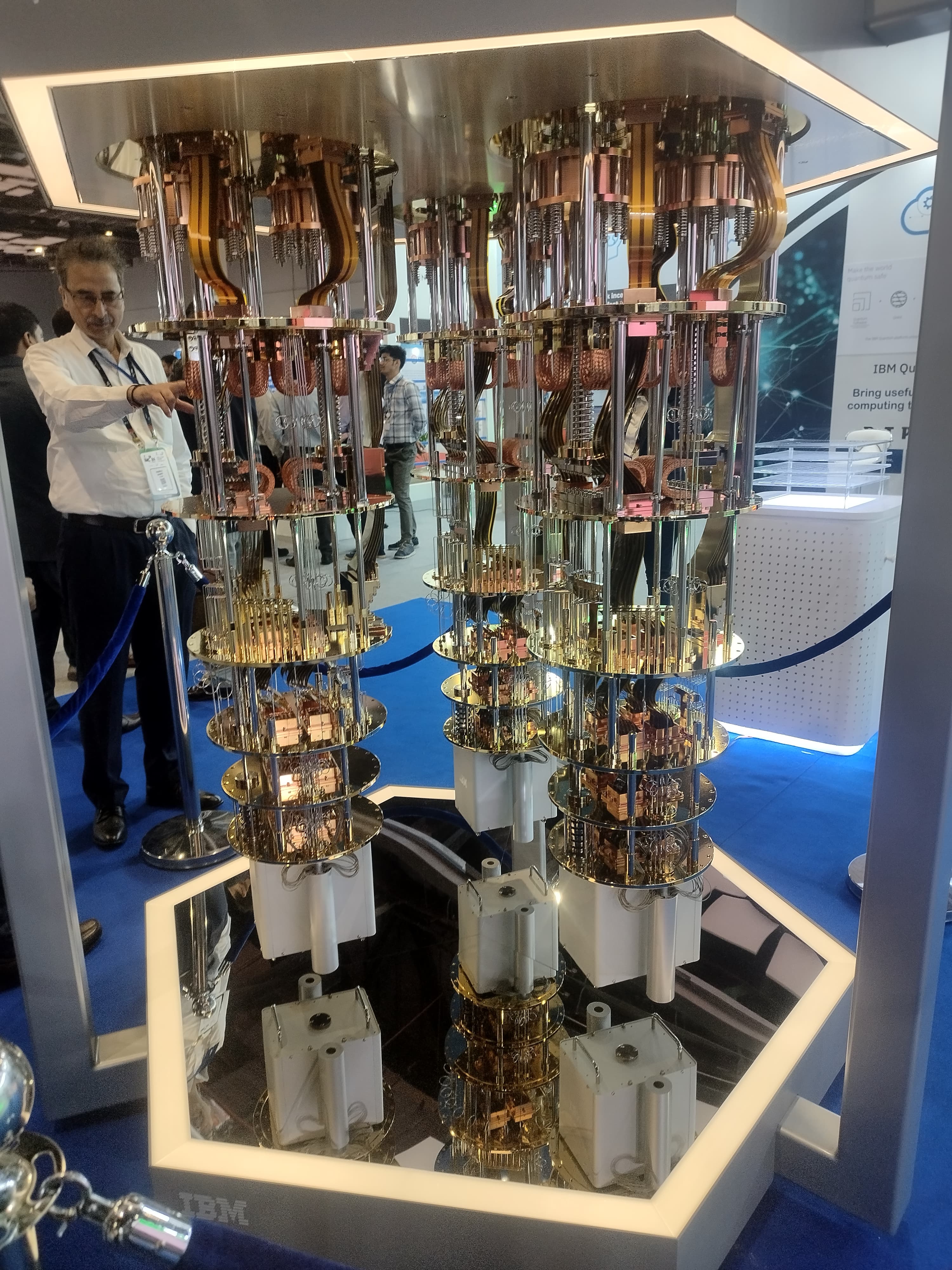
Quantum computing
Quantum computing Source

The announcement, made on Thursday, May 21, 2026, saw IBM's shares jump over 12%, adding approximately $26 billion to its market capitalization. This landmark deal is part of a larger federal initiative totaling $2.013 billion, distributed among nine quantum computing companies through letters of intent. Beyond IBM, other significant recipients include GlobalFoundries, which is slated to receive $375 million to establish a secure, domestic quantum foundry supporting various computing architectures. Atom Computing, D-Wave, Infleqtion, PsiQuantum, and Quantinuum are each proposed to receive $100 million in planned funding, while Diraq is set to receive up to $38 million, and Rigetti is also expected to receive up to $100 million. A key condition for receiving these funds is that the U.S. Department of Commerce will obtain a minority, non-controlling equity stake in each of the nine companies.
This federal push is rooted in the CHIPS and Science Act, enacted by President Joe Biden on August 9, 2022. The legislation authorizes approximately $280 billion in new funding aimed at bolstering domestic semiconductor research and manufacturing across the United States. Its dual objectives are clear: strengthen American supply chain resilience and counter China's technological advancements. The act includes $39 billion in subsidies for chip manufacturing and $13 billion for semiconductor research and workforce training. It also allocates $174 billion to the broader ecosystem of public sector research in science and technology, specifically advancing critical areas such as human spaceflight, quantum computing, and materials science.

IBM has long been a pioneer in quantum computing, having developed and tested scalable quantum wafer technology over decades. The company currently operates the world's largest quantum computing ecosystem, which includes 91 quantum computers serving over 300 clients. IBM's ambitious goal is to deliver the world's first large-scale, fault-tolerant quantum computer to commercial clients by 2029. This history positions IBM as a key player in the ongoing technological evolution.

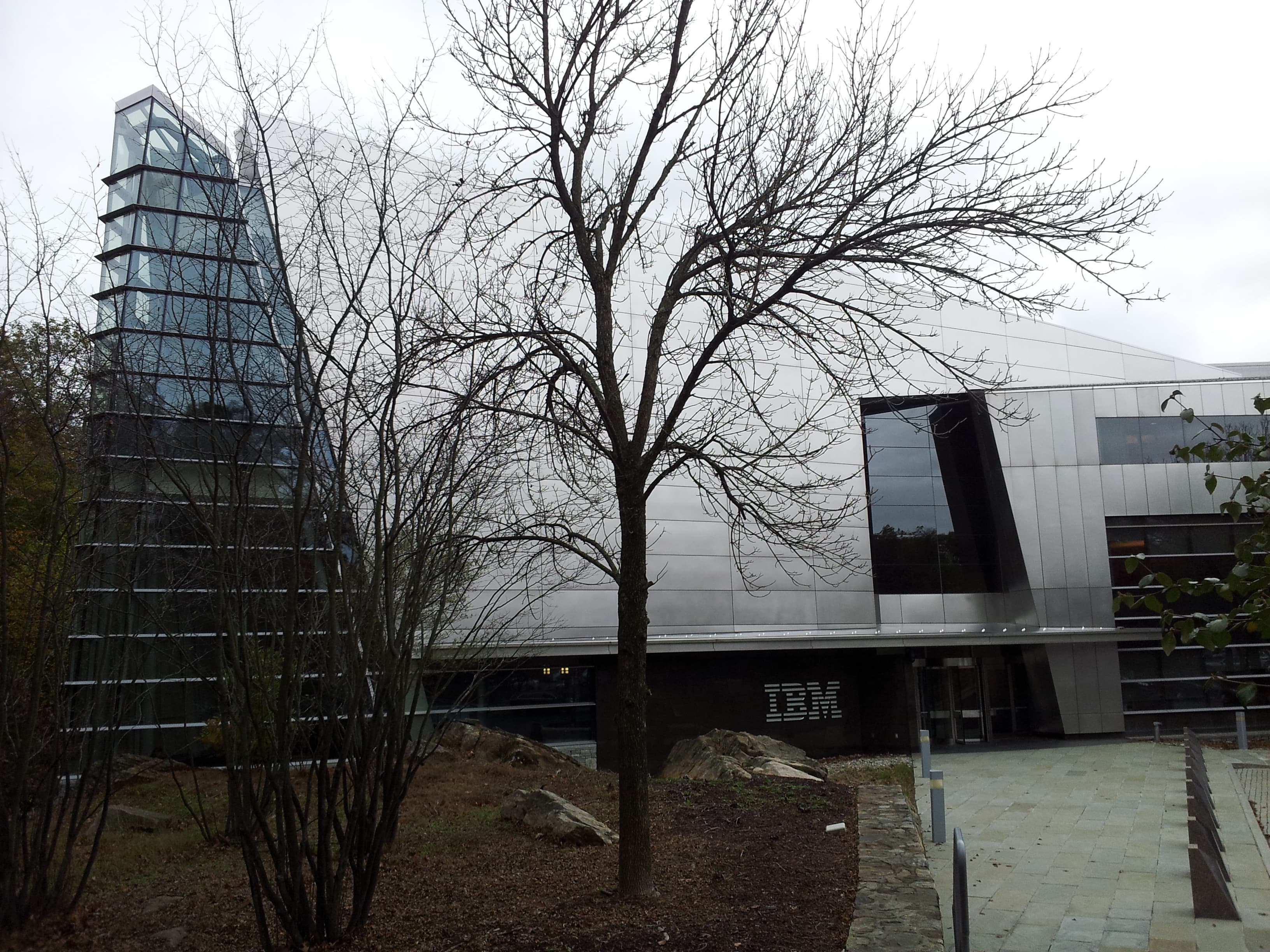
IBM
IBM Source

Secretary of Commerce Howard Lutnick commented on the investment, stating, "With today's CHIPS Research and Development investments in quantum computing, the Trump administration is leading the world into a new era of American innovation." He further added that these "strategic quantum technology investments will build on our domestic industry, creating thousands of high-paying American jobs while advancing American quantum capabilities." Bill Frauenhofer, Executive Director of Semiconductor Investment and Innovation at the Department of Commerce, underscored the broader implications, noting that the incentives "strengthen and accelerate U.S. quantum leadership and technological resilience." Frauenhofer also highlighted the significant implications quantum computing has for "national defense, advanced materials and biopharmaceutical discovery, financial modeling and energy systems."

IBM CEO Arvind Krishna remarked that "our work in silicon wafer fabrication has been a key to IBM's success and will be critical to enable a broader quantum technology landscape." Krishna also predicted that the industry would achieve a "quantum advantage" milestone by the end of 2026, a point where quantum computers can outperform classical computers for specific tasks. Jay Gambetta, Director of Research and IBM Fellow, who leads IBM's global research initiatives including quantum computing, stated, "For years, quantum computing has been a promise. Now, quantum computers are producing results that matter to science." Wedbush Securities analyst Dan Ives referred to IBM as a "sleeping giant" and praised its strategic direction, noting that it "continues to be one that has massive upside." Ives also anticipated aggressive government intervention, characterizing the situation as a technological "arms race" between the U.S. and China.

This story holds immense significance because quantum computing is an emerging technology with the potential to profoundly disrupt numerous industries, from drug discovery and financial modeling to cryptography. Establishing a robust domestic quantum ecosystem is deemed essential for U.S. national security, technological resilience, and long-term strategic leadership. The quantum computing market is projected to generate up to $850 billion in economic value by 2040. This federal investment also reflects an ongoing storyline of the U.S. government, particularly the Trump administration, taking equity stakes in strategic technology and industrial manufacturing companies, a strategy mirrored in a previous CHIPS Act award to Intel in August 2025.

The substantial federal backing for IBM and other quantum firms underscores a clear national priority. As the U.S. aims to solidify its position at the forefront of this critical technological frontier, these investments are set to shape the future of computing and potentially redefine global power dynamics for decades to come.