Home
Explore
Notifs
Profile

Black-owned · Built for the global diaspora · Curated pins from Black and melanated creators across hair, style, beauty, home, and art.

Formerly Melaninterest.com

m
melanin
AboutHelpTermsPrivacyCommunity GuidelinesCreators

© 2026 Melanin. All rights reserved.

Mmelanin
HomeExploreCreatorsNewsCreate
Ctrl+K
Log inSign up
Mmelanin
HomeExploreCreatorsNewsCreate
Ctrl+K
Log inSign up
Hybrids Outpace EVs as Car Buyers Rethink Their Ride — Melanin News | Melanin
Mmelanin
HomeExploreCreatorsNewsCreate
Ctrl+K
Log inSign up
All news
Hybrids Outpace EVs as Car Buyers Rethink Their RideCulture

Hybrids Outpace EVs as Car Buyers Rethink Their Ride

1w ago

The future of driving is here, but it's not as straightforward as many once imagined. While electric vehicles have dominated the conversation around sustainable transportation, a recent market shift reveals that hybrids are quietly making a powerful comeback, forcing car buyers to take a fresh look at their options.

Reports indicate a significant paradigm shift in the automotive industry, where electrified vehicles, encompassing both hybrids and EVs, are increasingly seen as major alternatives to traditional gasoline cars. In the first quarter of 2024, approximately 22% of all light-duty vehicles sold in the U.S. were either hybrids, EVs, or plug-in hybrids, marking an increase from 18% during the same period in 2023.
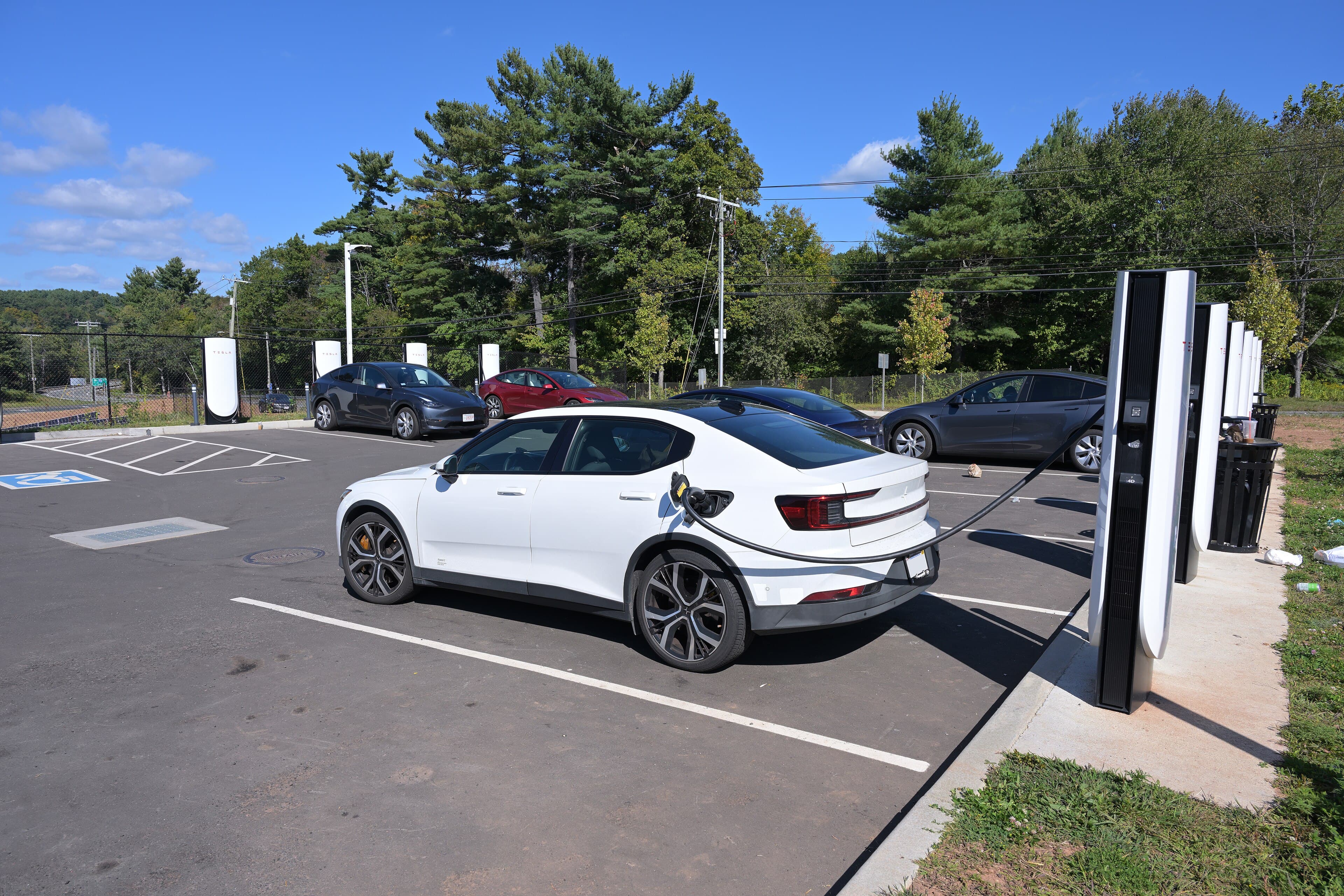
Electric vehicle
Electric vehicle Source

However, the growth wasn't uniform. Hybrid electric vehicles have demonstrated a more consistent gain in market share, growing faster than battery electric and plug-in hybrid sales in both 2024 and 2025. This surge for hybrids stands in stark contrast to U.S. electric vehicle sales, which reportedly faltered in 2025, with some forecasts even predicting the first annual decline in years.

A critical turning point for EV sales occurred with the expiration of key federal tax incentives. The New Clean Vehicle Credit and the Qualified Commercial Clean Vehicle Credit, each worth up to $7,500, ended on September 30, 2025. This policy change led to a sharp decline in EV sales in the subsequent months, marking what is reported as the first annual decline in battery electric vehicle sales and market share in the United States. Hybrids, which were not eligible for these federal tax credits, continued their upward trajectory, unaffected by the policy shift.

Several factors have contributed to this evolving consumer behavior. The upfront cost of electric vehicles remains a significant barrier for many, often being $5,000 to $15,000 higher than comparable hybrid models. The average transaction price for battery electric vehicles climbed from $55,500 in December 2024 to $59,200 in March 2025, while the average price for all new vehicles decreased to $47,500. In contrast, hybrid vehicle pricing has become notably more competitive.
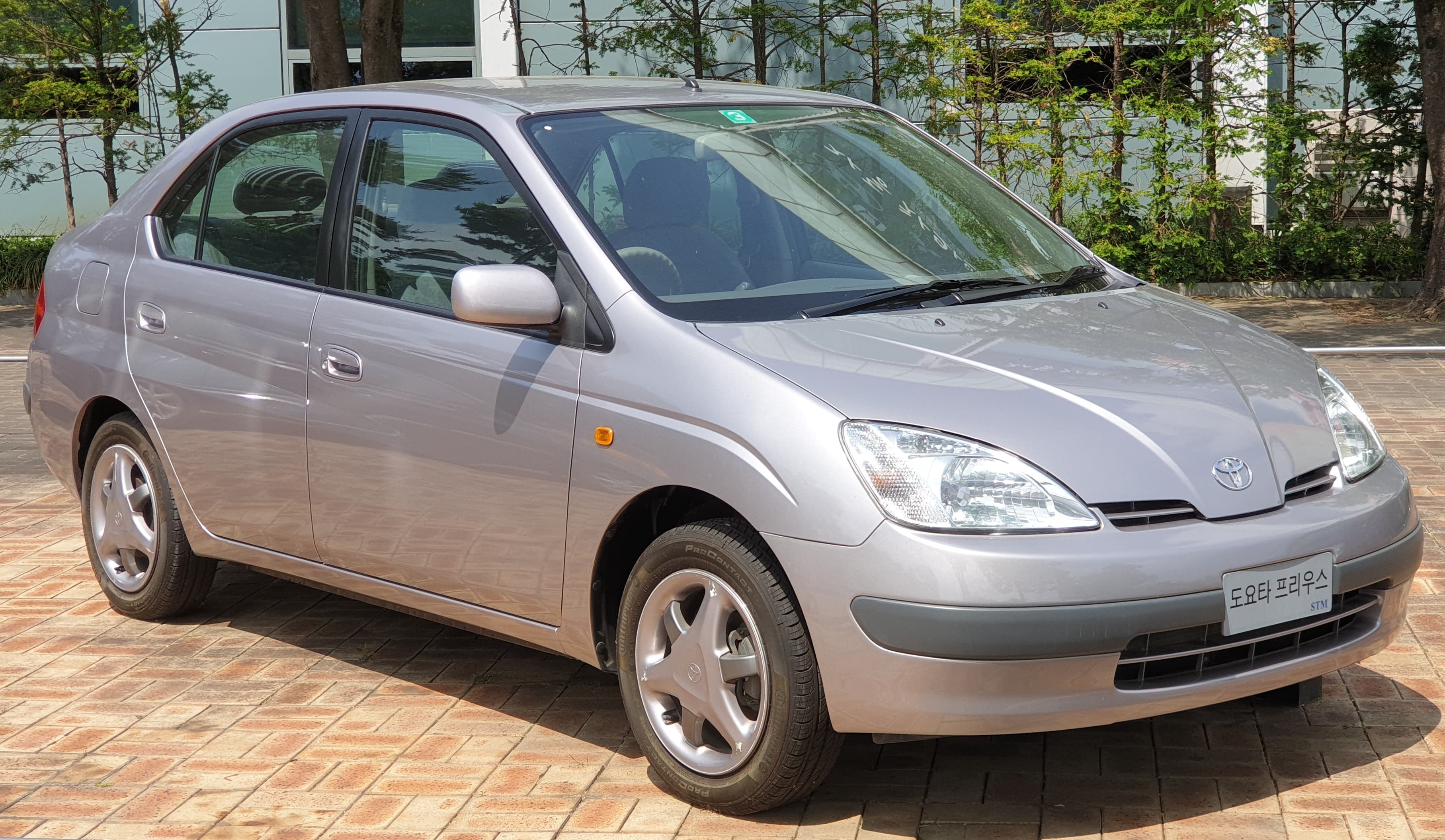
Hybrid vehicle
Hybrid vehicle Source

Consumer hesitancy is also fueled by concerns over charging infrastructure and what's known as "range anxiety." Sparse charging networks and reliability issues can make long-distance travel in an EV a planning-intensive endeavor. Hybrids largely eliminate this concern by offering a traditional gas engine as a fallback option, providing drivers with greater flexibility and peace of mind.

The fundamental distinctions between vehicle types are key to understanding consumer choices. Hybrid vehicles integrate a traditional internal combustion engine with an electric motor, utilizing separate battery systems for each. This category includes mild hybrids with modest electric assistance, series hybrids primarily using the engine as a generator, and plug-in hybrids (PHEVs) that can be externally charged for a substantial electric range before switching to gasoline. All hybrids share the crucial characteristic of a gas engine fallback when the battery depletes. Electric vehicles (EVs), on the other hand, operate solely on an electric motor powered by a single large battery, requiring no gasoline. A third category, fuel cell electric vehicles (FCEVs), uses an electric motor powered by a hydrogen fuel cell, refueled with hydrogen gas, and produces zero tailpipe emissions.

Practical considerations significantly influence a consumer's decision. Homeownership is highlighted as important, particularly for the installation of home charging infrastructure necessary for EVs and PHEVs. The availability of robust public charging networks is another critical factor; sparse networks can render an EV impractical, making a hybrid a more sensible alternative. The cost equation is complex: hybrids, with their dual systems, may incur higher long-term maintenance costs, while EVs, possessing fewer moving parts, generally have lower maintenance expenses, though their upfront purchase price is often higher and specialized repairs can be costly. While federal tax incentives previously softened the initial cost for EV buyers, those have now expired. EVs tend to retain their resale value more effectively over time.

Regarding environmental impact, both vehicle types surpass traditional gasoline-powered cars in terms of emissions. However, hybrids still combust gasoline, leading to tailpipe emissions (with FCEVs being an exception), whereas EVs produce no direct tailpipe emissions. The environmental narrative for EVs extends to the source of electricity used for charging, which, if derived from coal or natural gas power plants, introduces indirect emissions.

Ultimately, the suitability of an electric car "depends." It is considered a compelling choice for homeowners with access to robust charging, who primarily undertake local trips, and can manage a higher upfront cost. For those frequently covering long distances, residing in areas with limited charging infrastructure, or renting homes without dedicated charging access, a hybrid or plug-in hybrid may offer a more practical compromise.

Public and expert perceptions also play a role in the market's dynamics. While experts reportedly tend to favor battery electric vehicles, often influenced by the "exciting driving experience" provided by instant torque, the general public has shown a preference for plug-in hybrid electric vehicles, viewing them as a more established technology. This divergence in sentiment underscores the practical considerations that often sway mainstream buyers.

The shifting market trends underscore that the transition to electrified vehicles is not a simple, linear progression but a complex, consumer-driven evolution. The choices consumers make are shaping manufacturer strategies and influencing the pace at which the automotive industry moves towards a cleaner future. The market will continue to adapt to these evolving preferences, making the "right" choice a deeply personal one for the foreseeable future.