Home
Explore
Notifs
Profile

Black-owned · Built for the global diaspora · Curated pins from Black and melanated creators across hair, style, beauty, home, and art.

Formerly Melaninterest.com

m
melanin
AboutHelpTermsPrivacyCommunity GuidelinesCreators

© 2026 Melanin. All rights reserved.

Mmelanin
HomeExploreCreatorsNewsCreate
Ctrl+K
Log inSign up
Mmelanin
HomeExploreCreatorsNewsCreate
Ctrl+K
Log inSign up
Hawaiian Airlines Crew Leis Banned on Some International Flights — Melanin News | Melanin
Mmelanin
HomeExploreCreatorsNewsCreate
Ctrl+K
Log inSign up
All news
Hawaiian Airlines Crew Leis Banned on Some International FlightsCulture

Hawaiian Airlines Crew Leis Banned on Some International Flights

6d ago

A long-standing symbol of island hospitality is quietly fading from the skies on some Hawaiian Airlines flights.

Flight attendants assigned to certain international routes out of Seattle-Tacoma International Airport (SEA) are now prohibited from wearing traditional leis, floral hairpieces, and aloha shirts. This policy, which went into effect on May 27, 2026, impacts approximately 250 crew members and marks a visible shift in the airline's appearance standards on these specific long-haul services. These particular routes, many utilizing Boeing 787-9 Dreamliners, are now presented and marketed explicitly under the Alaska Airlines brand, requiring adherence to Alaska's more understated cabin appearance guidelines.
Hawaiian Airlines
Hawaiian Airlines Source

This change is a direct consequence of Hawaiian Airlines' ongoing integration into the Alaska Air Group. Rather than a full merger into a single product, the strategy involves maintaining separate brand experiences depending on the route and aircraft. For the Seattle-based international services, the onboard experience is designed to reflect Alaska Airlines, which means its flight attendants, even those from Hawaiian's workforce, must adopt Alaska's aesthetic. It's crucial to note this isn't a company-wide ban; flights directly to and from Hawaii continue to allow crew members to wear their cultural uniform elements.

For decades, the presence of leis, floral hairpieces, and aloha shirts has been more than just a uniform choice for Hawaiian Airlines; it has represented a promise of warmth, island hospitality, and an authentic flying experience deeply rooted in Hawaiian culture. The airline's brand is intrinsically linked to the islands' identity, with its signature look being a core part of its appeal. Many of the affected flight attendants have built their careers around this specific cultural identity, finding the uniform to be a significant aspect of their professional lives. The requirement to set these elements aside, even on a temporary and route-specific basis, has generated considerable frustration among some Seattle-based crews who voluntarily chose to work on the widebody international operation.
The current Hawaiian Airlines uniform, celebrated for its cultural elements, was meticulously designed by renowned Hilo-based artist Sig Zane, in collaboration with his studio Sig Zane Kaiao, and a committee of 40 front-line Hawaiian employees. Unveiled in November 2016 and launched in 2017, the uniform's distinctive print, named Kū Mākou, which translates to "Together We Stand," draws inspiration from an ancient chant about seafaring. It integrates symbolic lehua blossoms and 'ohe kapala, or bamboo stamps. Sig Zane himself described the lehua as "the symbol of the Hawaiian people," emphasizing the deep cultural roots embedded in the design. Avi Mannis, who served as senior vice president of marketing at Hawaiian Airlines at the time, underscored the importance of creating a uniform that would authentically represent Hawai'i wherever the airline flew. Affinity Apparel also partnered with Hawaiian Airlines on this extensive uniform program, which outfits over 7,000 team members.

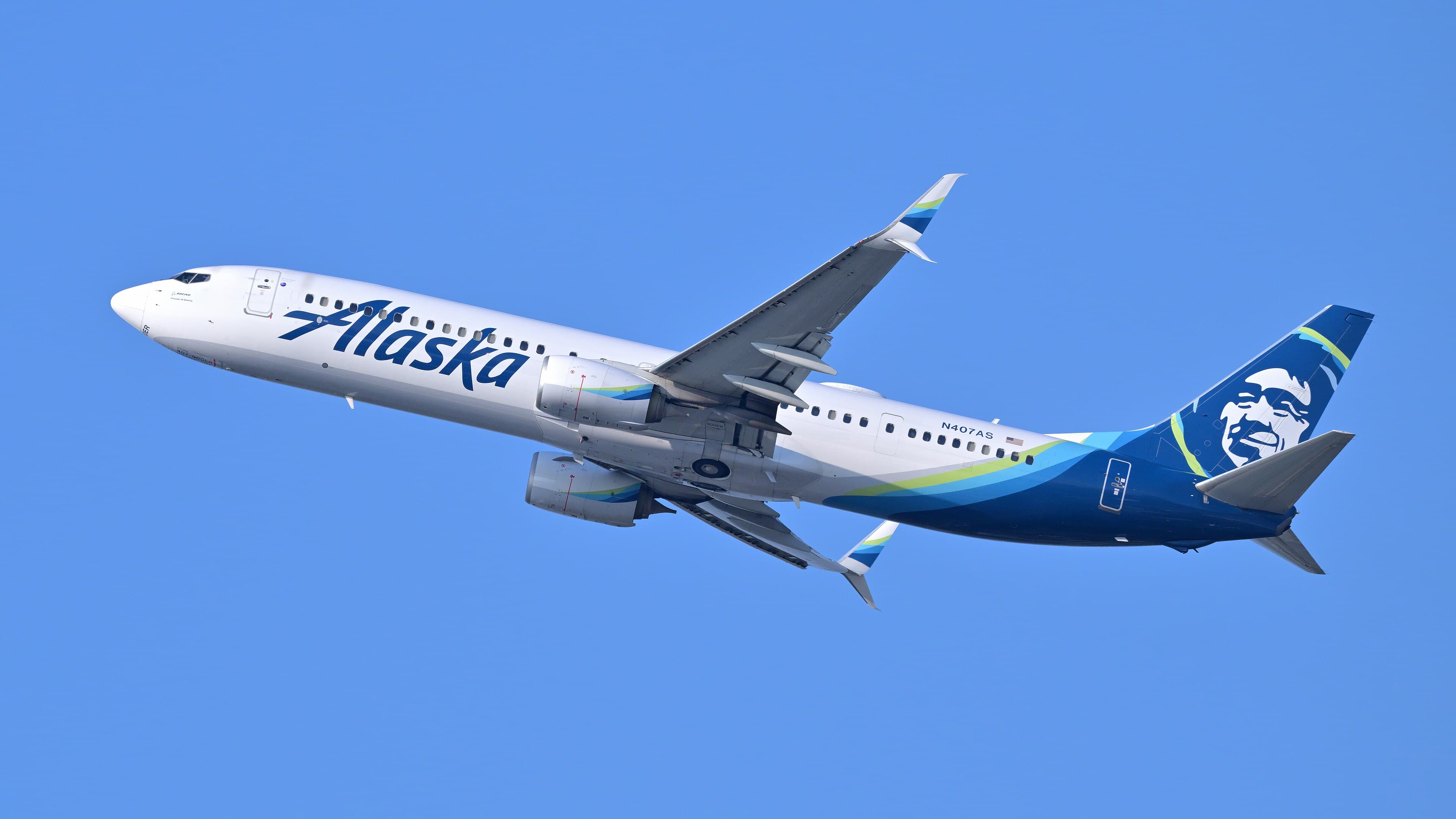
Alaska Airlines
Alaska Airlines Source

This uniform policy adjustment is another step in the broader integration process following Hawaiian Airlines' merger into Alaska Air Group. The two airlines have already transitioned onto a shared reservation system. A significant milestone was reached in October 2025 when the combined carrier received a single operating certificate, indicating a deeper infrastructural merger behind the distinct customer-facing brands.

This isn't the first time the integration has touched upon Hawaiian Airlines' cultural practices. In April 2026, Alaska Airlines ended a tradition spanning decades by prohibiting Hawaiian pilots from wearing beards, enforcing a strict no-beard policy across all pilots. Alaska Airlines cited safety concerns, referring to FAA guidance and historical protocols for oxygen mask effectiveness, despite Hawaiian Airlines pilots having operated safely with beards for over 40 years. This decision, too, aimed at aligning uniform and appearance standards. Earlier, in January 2026, a memo originating from Alaska Airlines but distributed by Hawaiian caused a stir. It suggested that Hawaiian words had been removed to make language "inclusive for our entire employee population across the entire U.S." This prompted a quick backlash from employees and Hawaii residents, leading Hawaiian Airlines to clarify that the memo was poorly worded and that the Hawaiian language remains integral to the airline's brand promise.

Alisa Onishi, who serves as managing director of Hawaii marketing for both Hawaiian and Alaska, has publicly acknowledged the challenging nature of these decisions. She was quoted stating, "We had to make difficult decisions that will be hard for our employees to adjust to, but ultimately as we explain why we are making these decisions the employees will understand." Onishi had previously been involved in uniform discussions in April 2025, when, as director of brand & marketing at Hawaiian Airlines, she expressed enthusiasm for a new uniform journey that would reflect Hawaiian roots.

The ongoing integration presents a delicate balancing act for Alaska Air Group. While operational efficiencies and a unified brand presentation on specific routes are clear objectives, the cultural identity of Hawaiian Airlines is a powerful asset, deeply valued by its employees and customers. Decisions like the uniform policy and the prior pilot beard ban highlight the complexities of merging two distinct corporate cultures, especially when one is so profoundly tied to a specific geographic and cultural heritage. The frustration expressed by some crew members underscores the emotional connection many have to their uniform and the cultural symbolism it embodies.

As the integration continues, the challenge for leadership will be to navigate these cultural sensitivities while achieving strategic business goals. The decisions made regarding appearance standards and cultural practices will continue to shape how both employees and the public perceive the future identity of Hawaiian Airlines within the larger Alaska Air Group.