 Culture
Global Markets Jittery Over US-Iran Peace Talks
Global financial markets are on edge, reacting to the latest twists in ongoing peace talks between the United States and Iran. The high-stakes negotiations are casting a long shadow over everything from stock performance to the price of oil, directly impacting the wallets of everyday consumers and the stability of the global economy. Investors are closely monitoring every development, understanding that the outcome could reshape energy costs and influence central bank decisions worldwide.
Recent reports point to a delicate balance of cautious optimism regarding these critical discussions. On Friday, May 22, 2026, major US stock futures registered modest gains, reflecting this guarded hope. The Dow Jones Industrial Average, the S&P 500, and the Nasdaq 100 each saw an increase of approximately 0.3%. This uptick signals that market participants are actively assessing how potential diplomatic breakthroughs might affect energy prices, broader inflation trends, and the future policies of the Federal Reserve.
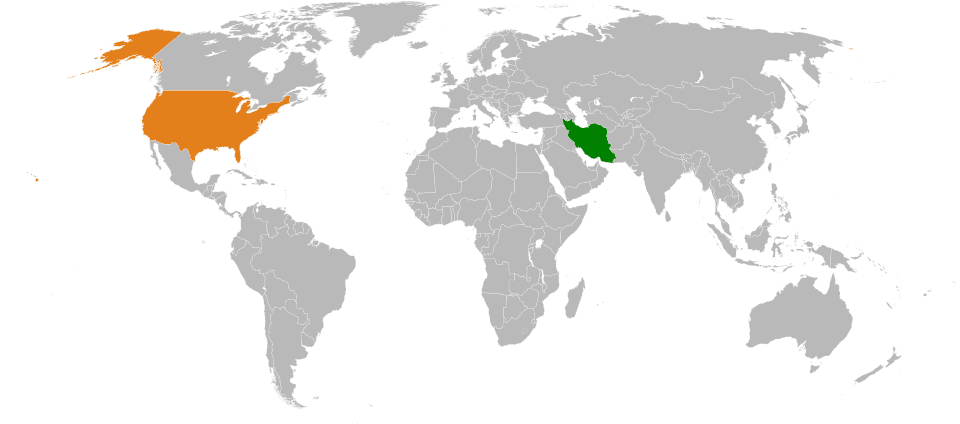
Despite these positive movements in stock futures, the energy sector told a different story on the same day. Oil prices experienced a notable climb, revealing investor skepticism about an immediate or definitive resolution to the talks. Brent crude futures, a key international benchmark, rose by 3.2%, reaching $105.88 a barrel. Similarly, US West Texas Intermediate (WTI) futures, another crucial indicator, saw a 2.6% increase, settling at $98.88. This divergence underscores a market grappling with conflicting signals: a desire for peace versus the hard realities of supply and demand.
The dynamics between the United States and Iran have long been a significant factor in global economic stability, particularly concerning the oil market. Tensions or potential resolutions often send ripples through energy trading, given Iran's substantial role as an oil producer. Any shift in its ability to export oil due to sanctions or political agreements can dramatically alter global supply, directly affecting pump prices and industrial costs.
These ongoing talks are not just about diplomatic relations; they are fundamentally about economic leverage and stability. For years, the international community has watched as various phases of negotiations have impacted everything from trade routes to the cost of manufacturing. The current discussions are seen as a pivotal moment that could either ease long-standing pressures or introduce new uncertainties, depending on their success or failure. The Federal Reserve's stance on interest rates, for instance, is heavily influenced by inflation figures, which are in turn sensitive to energy costs. A sustained rise in oil prices, fueled by geopolitical instability, could complicate the Fed's efforts to manage economic growth and price stability, potentially leading to higher borrowing costs across the board.
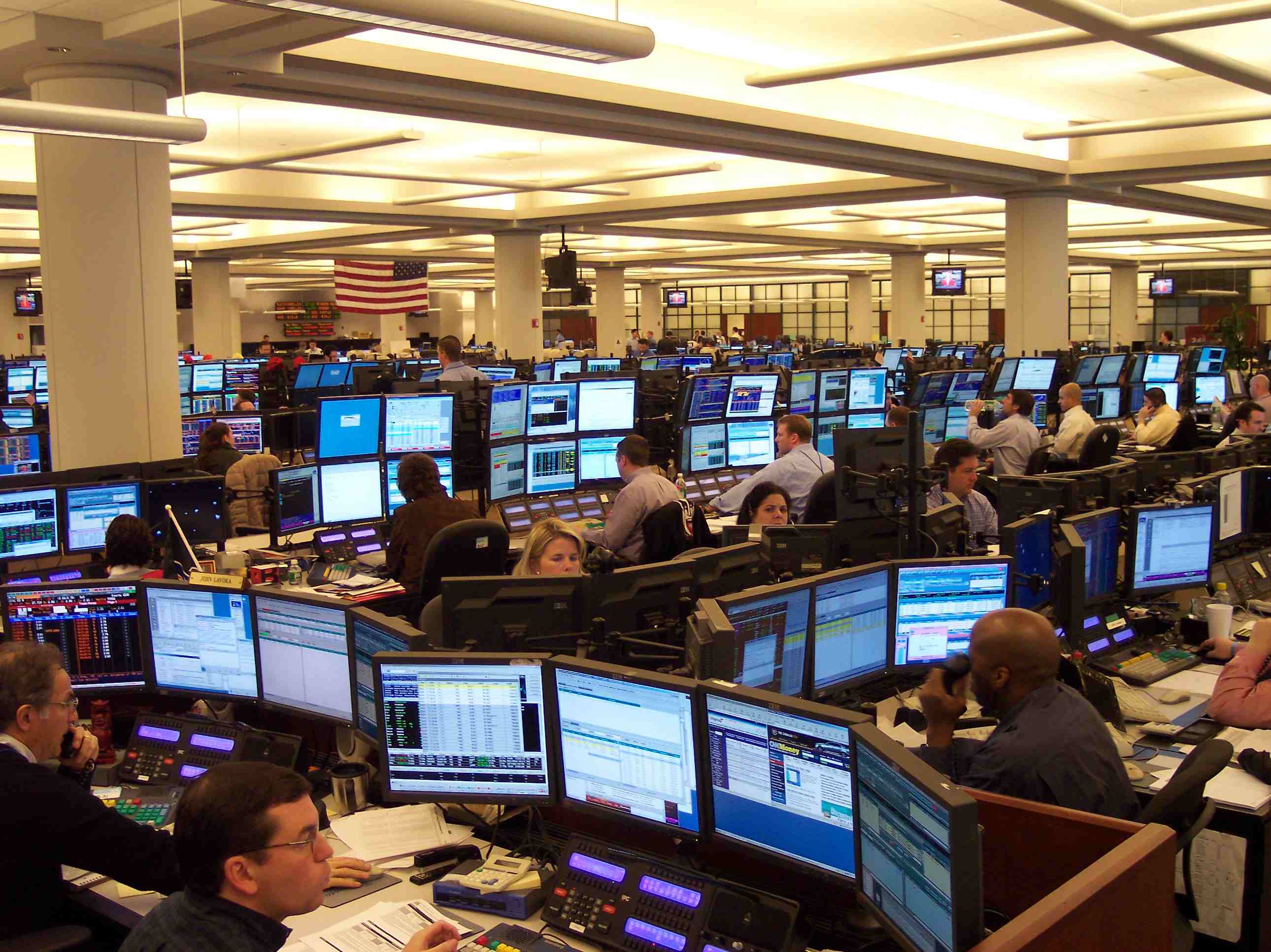
The interplay between geopolitical events and financial markets highlights how interconnected the global economy truly is. For consumers, the direct impact of these talks can be felt at the gas pump and in the prices of goods and services, as transportation and production costs are intrinsically linked to energy prices. Higher oil prices translate to increased expenses for businesses, which often pass these costs on to consumers, contributing to inflationary pressures.
Beyond immediate costs, the uncertainty itself can deter investment and slow economic growth. Businesses prefer stability, and the unpredictable nature of international relations, especially involving major energy producers, can lead to cautious spending and expansion plans. The implications extend far beyond the trading floors, affecting job markets, investment portfolios, and the overall economic outlook for nations worldwide.
As negotiations continue, the world will be watching for signs of progress or stalemate. The outcomes of these talks will not only shape diplomatic relations but will also play a crucial role in determining the trajectory of global energy markets, inflation rates, and the broader economic landscape for months, if not years, to come. The financial tremors felt this past Friday are a clear indication of the high stakes involved for everyone.