 Culture
Europe Scorched: Record Heatwave Grips Continent
Europe is burning. An unprecedented and deadly heatwave has gripped the continent, pushing temperatures to historic highs and triggering widespread alerts across 26 nations. This relentless heat is not just a weather event; it's a public health crisis unfolding in real time.
The continent has been in the throes of extreme heat since late May 2026, when an initial heatwave saw temperatures climb 10 to 15 degrees Celsius above normal. A second, even more severe wave commenced on June 17, intensifying the crisis. Since then, temperatures have consistently soared, with many areas seeing the mercury climb well past the 40°C mark. This intense meteorological event has shattered previous records across a broad swathe of Europe, impacting countries including Belgium, France, Germany, Ireland, Italy, the Netherlands, Spain, and the United Kingdom.
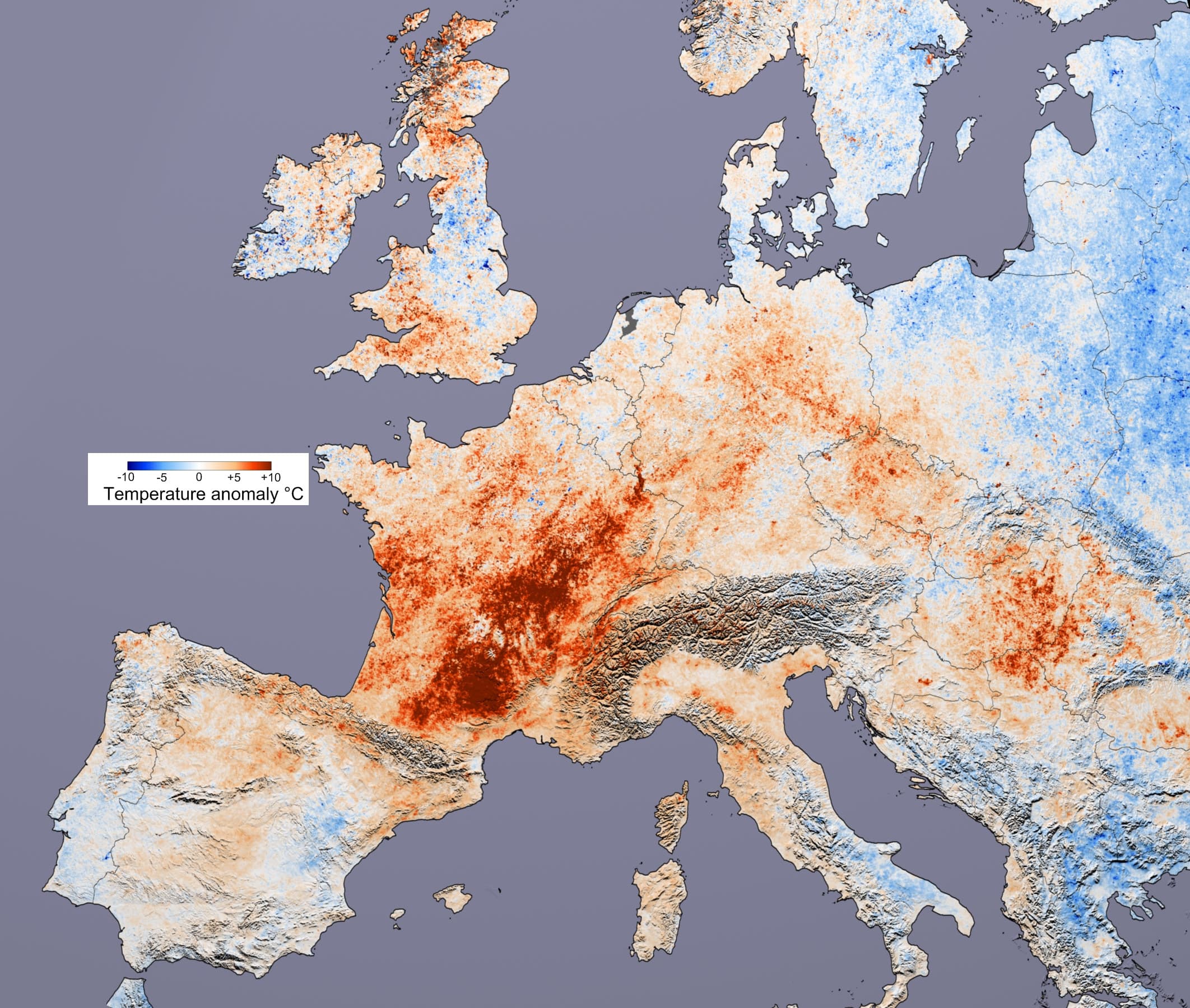
The sheer scale of this heatwave has led to extraordinary conditions. Spain, for instance, recorded its hottest June days on record on June 23 and 24, 2026. During these two days, multiple locations across the country reported temperatures exceeding 40°C, turning everyday life into a struggle against the suffocating heat. The ground baked under the intense sun, and cities typically bustling with activity felt the strain of the extreme conditions.
France experienced its own historic day on June 24, 2026, when the national average temperature hit an unprecedented 30.0°C. This figure surpassed previous records set in July 2019 and August 2003, marking a significant milestone in the country's meteorological history. The western French town of Pulluau registered an astonishing 43.8°C, a blistering temperature that tested the limits of endurance. Even overnight, the heat offered little reprieve, with temperatures setting a new national high, making it difficult for residents to cool down and recover.
In response to the escalating crisis, French authorities issued top-level red alerts for a record 58 departments, covering the majority of the country. These red alerts signify a very high level of danger, urging residents to take extreme precautions. Alongside these warnings, officials also highlighted the heightened wildfire risks due to worsening drought conditions, a stark reminder of the broader environmental impact of such prolonged heat. The United Kingdom's Met Office also responded decisively, issuing a red extreme heat warning for June 24 and 25. During this period, a provisional new June daily high of 36.1°C was reported at Gosport in southern England, a figure that underscored the widespread nature of the heatwave. Germany's national weather service likewise rolled out widespread red alerts, culminating in a new all-time national record high of 41.3°C measured in Saarbrücken on June 26, 2026, further cementing the heatwave's place in the record books.
These official warnings and alerts were not issued lightly; they reflect the serious health implications of sustained extreme heat. While no specific quotes from named individuals were provided, the actions of these national meteorological services and government bodies speak volumes. The top-level alerts from France, the red extreme heat warning from the UK, and Germany's widespread red alerts all convey a unified message: the situation is critical, and public safety is paramount. These institutional responses highlight the severe impact on infrastructure, public services, and daily life, prompting calls for vigilance and protective measures across the continent.
The current situation in Europe serves as a stark reminder of a growing global challenge. Reports indicate that heatwaves already contribute to nearly 500,000 deaths worldwide annually. This devastating figure is projected to rise significantly as the frequency, intensity, and duration of extreme heat events continue to escalate, driven by ongoing climate changes. The human cost of such events is immense, affecting not only immediate health but also long-term well-being and economic stability.
Vulnerable populations bear the brunt of these conditions with particular severity. Older adults, young children, outdoor workers, pregnant individuals, and those with pre-existing health issues face the greatest risk of heat-related illnesses and fatalities. The strain on healthcare systems during these periods is immense, as hospitals and emergency services contend with a surge in heatstroke, dehydration, and exacerbation of chronic conditions. This makes effective public health communication and robust emergency response plans absolutely crucial.
Beyond immediate health concerns, the heatwave's impact extends to critical sectors. Agriculture suffers from drought and crop damage, potentially leading to food security issues. Energy grids are strained by increased demand for air conditioning, raising concerns about blackouts. Transportation systems can be disrupted as infrastructure buckles under the heat. The economic ripple effects are substantial, highlighting the interconnectedness of climate, health, and prosperity.
Looking ahead, the heatwave is projected to spread further across large parts of Western, Central, and Southern Europe over the subsequent two weeks. The focus is expected to shift towards the Balkans, where residents and authorities must now prepare for the same intense conditions that have already swept across much of the continent. As Europe braces for continued sweltering conditions, the ongoing focus remains on public safety, preparedness, and managing the critical health risks associated with this historic and evolving meteorological event.