 Culture
Donnie Returns to Atlanta Jazz Fest Stage After Two Decades
Atlanta is buzzing for the return of one of its own. After nearly two decades away from major local stages, singer-songwriter and storyteller Donnie is set to grace the 49th Annual Atlanta Jazz Festival. His anticipated performance at Piedmont Park on Sunday, May 24, 2026, at 5 PM, marks a significant moment for the artist, who plans to delve into the profound concept of "Blackness in artistic form."
This theme, according to Donnie, serves as a unifying thread not only for his two-decade-plus musical journey but also for the diverse lineup of the festival itself. His set is expected to carry a deep social weight, confidence, and love, reflecting the core of what his music has always aimed to be. The festival appearance promises to be a powerful reintroduction for fans and a testament to his enduring artistic vision.
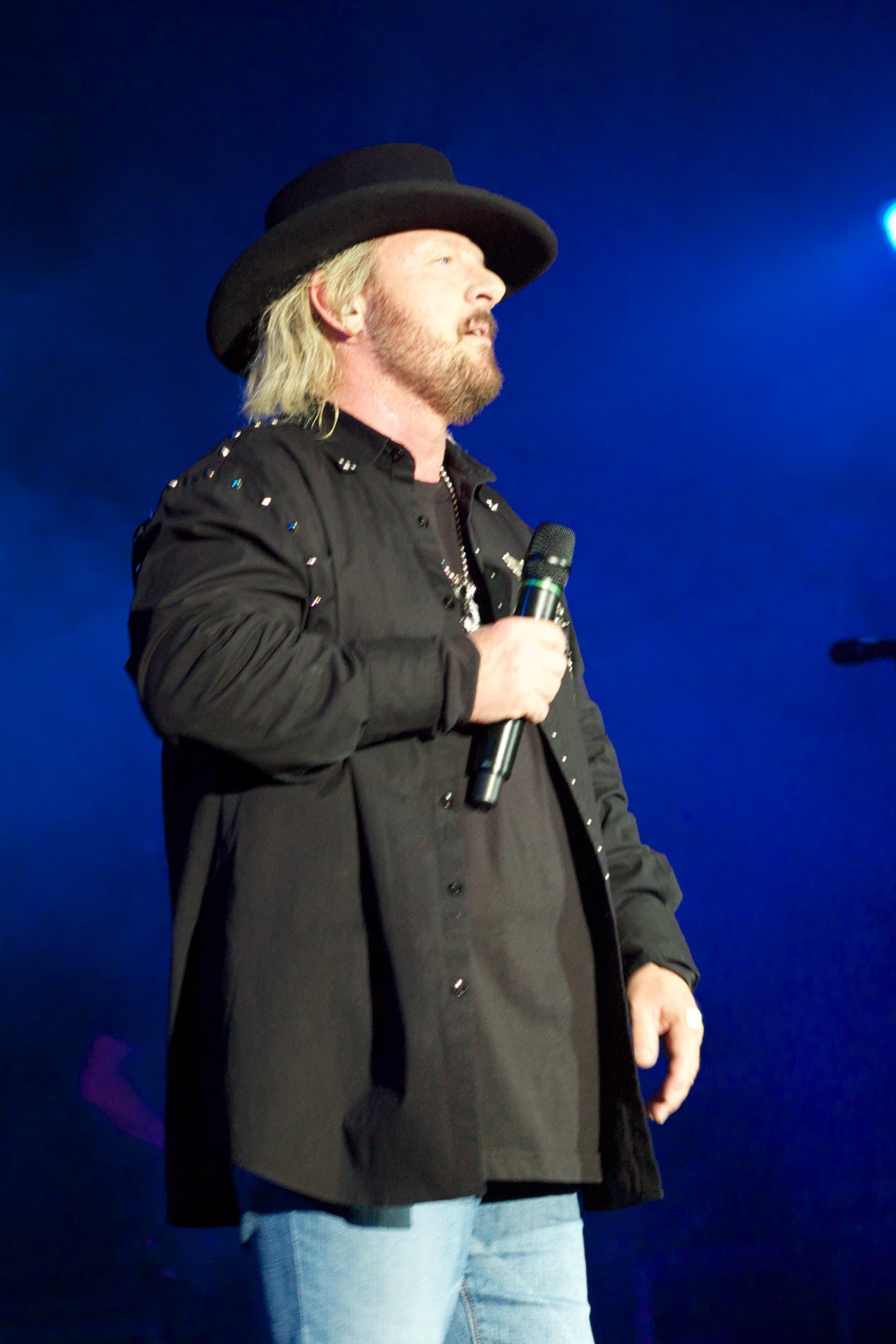
Born Don Johnson, Donnie's musical philosophy is deeply rooted in the intertwined traditions of soul music and the church. He views these two spaces as fundamentally the same, carrying the shared weight of community, spiritual conviction, and the responsibility to narrate a generation's story with honesty and care. This perspective was forged in his upbringing as the son of two ministers in the Hebrew Pentecostal Church, first in Lexington, Kentucky, and later in Atlanta, Georgia, where church attendance was a mandatory part of life.
His professional singing career began early, at fifteen, performing background vocals for gospel artists such as Tramaine Hawkins, André Crouch, Shun Pace Rhodes, and Yolanda Adams at the Curtis Mayfield Recording Studio in Ben Hill, Atlanta. This early training instilled in him the discipline of blending into an ensemble and serving a song, a humility he reportedly maintains to this day. This foundation would later inform his unique sound and lyrical depth.
Donnie's debut album, "The Colored Section," released in 2001 by Giant Step Records and re-released by Motown in 2002, garnered significant critical acclaim, drawing comparisons to Marvin Gaye's seminal work, "What's Going On?". He considers this comparison a profound honor, noting that growing up around the same people and attending the same church as his cousin Marvin Gaye lent a weighty authenticity to the parallel, extending beyond mere musical similarities. He expressed pride in honoring his family and the Black community, to whom the album was dedicated from its inception. The structural foundation of "The Colored Section" was notably influenced by gospel songwriters like Twinkie Clark, Fred Hammond, Michael Brooks, and Marvin Winans, and it peaked at No. 31 on the Billboard R&B/Hip-Hop Albums chart. His subsequent album, "The Daily News," continued to explore themes of love, identity, and contemporary social issues.

Donnie emerged from Atlanta's vibrant late 1990s indie soul scene, a collective known as Groovement, which included artists like India.Arie, Anthony David, Jeeva, and Serious B. He credits this collective for providing crucial support and cohesion during his early career. His experiences at downtown Atlanta's Yin Yang Café, and its proximity to Loretta's, a historic Black gay club, exposed him to diverse expressions of Black culture, which he described as an "art overload." Beyond his soul and gospel roots, Donnie also has a familial and artistic connection to jazz through his relative, jazz legend Les McCann, which reportedly influences his lyrical phrasing and improvisational instincts.
For his upcoming Atlanta Jazz Festival performance, Donnie will share the stage with a lineup that includes Cleveland Jones, Esperanza Spalding, and The Roots. Reflecting on this diverse bill, Donnie articulated his perspective: "I call it Blackness in artistic form. That is the through line connecting all of it." He further characterized his upcoming set as a "ministry," explaining, "Soul music never left the church for me. It just grew a bigger room. My set will carry social weight and confidence and love because that is what the music has always been for." He recalled a past instance where a woman reached out to him, crediting "The Colored Section" with her decision to live, underscoring the profound impact his music has had on individuals.
Now 51, Donnie reflects on his 25-year journey in music with a deeper, more grounded perspective. He acknowledges past mistakes and embraces personal growth, recognizing his music's significant impact on people's identity, culture, and roots. He expressed a renewed sense of clarity and purpose, aligning more strongly with his core values as an artist and a storyteller.
The Atlanta Jazz Festival, established in 1978 by then-Mayor Maynard Jackson, stands as one of the country's largest and longest-running free jazz festivals. It celebrates jazz as America's original art form and highlights Atlanta's role as an international arts center. The festival culminates each Memorial Day weekend in Piedmont Park, with events spanning the entire month of May, drawing crowds from across the nation and beyond.
Beyond his musical performances, Donnie is also developing a new theatrical project, "Born in the Colored Section: The American Mythology," a musical he has been working on since 2005. This project expands on the themes of his debut album, exploring Black American identity and shared human mythology. He views his upcoming performance at the festival as a "celebration," stating, "We need a celebration … because no matter what you do, the main thing is that a resilient people are still here to be in your face saying, 'We're not going anywhere'." This sentiment underscores the enduring power of his message and the cultural significance of his return to the stage.