CultureOn May 29, 2026, global oil markets witnessed a dramatic shift, as Brent crude, the international benchmark, saw its price plummet by nearly 20% from its peak earlier in the year. This significant downturn, which pushed the benchmark well below the $100 mark, was not the result of increased supply or a sudden drop in demand, but rather the surprising power of diplomacy in a highly volatile geopolitical landscape.
Reports indicate that Brent crude was trading around $92.56 on that pivotal day, reflecting a daily drop of over 1%. This substantial movement marked a nearly 19% decline from its 2026 highs, representing a sharp and sustained fall that sent ripples through financial markets worldwide. The rapid depreciation underscores a profound shift in global sentiment, moving away from the anxieties and speculative trading that had previously driven crude prices to elevated levels. The market’s reaction was swift and decisive, signaling a collective belief that the immediate future of global energy supply might be more secure than previously anticipated.
The primary catalyst for this market correction was a series of significant diplomatic advancements between the United States and Iran. These breakthroughs in ongoing negotiations managed to achieve what months of physical supply disruptions could not: effectively push traders who had been betting on continued price increases to the sidelines. The prospect of de-escalation between these key global players injected a newfound sense of stability into the energy sector, prompting a rapid and widespread adjustment in oil valuations as the geopolitical risk premium began to dissipate.
The roots of this prolonged market volatility trace back to late February 2026, with the outbreak of a conflict widely referred to as the "US-Israel war on Iran," or more broadly, the "war in Iran." This geopolitical clash immediately sent severe shockwaves through the global energy supply chain. The region at the heart of the conflict is a crucial artery for international oil shipments, and the hostilities led to widespread concerns about the consistent availability of crude, threatening to choke off vital supplies to major economies.
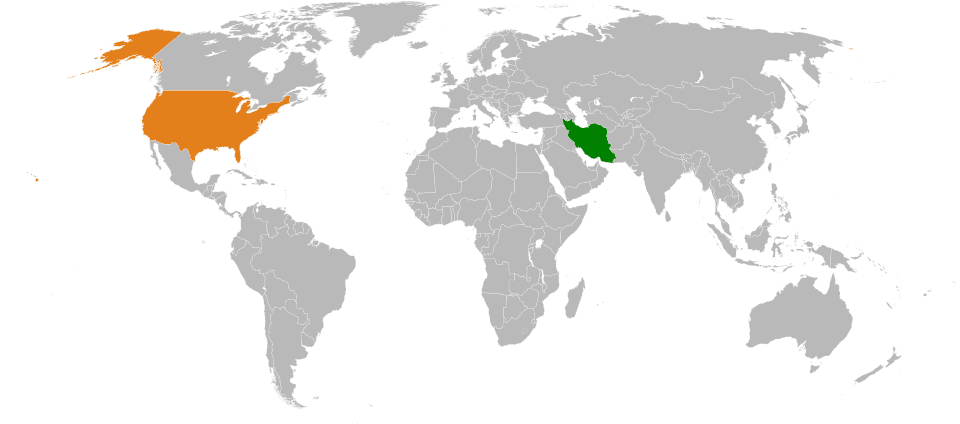
Throughout the months following the conflict's inception, these supply disruptions became a consistent and destabilizing feature of the global oil market. Shipping routes were deemed precarious, production facilities faced potential threats, and the overall reliability of the global oil network was called into question. Traders and investors reacted to this pervasive instability by aggressively pushing prices higher, anticipating further shortages and increased demand against a backdrop of constrained production and uncertain transit routes. The conflict created an environment where geopolitical risk premiums were not just a factor but a dominant force in the price of every barrel, making crude oil an exceptionally sensitive and expensive commodity for an extended period. This sustained tension between the United States and Iran had consistently kept global crude prices inflated, compelling market analysts to vigilantly monitor every development for signs of either further escalation or potential resolution. The ongoing uncertainty had created a "wait and see" approach among many major buyers, who often paid a premium to secure supplies in a precarious environment.

The economic repercussions of these prolonged high oil prices had been felt across economies worldwide. Consumers faced significantly elevated costs at the gas pump, impacting daily commutes and household budgets. Industries heavily dependent on fuel and energy, such as transportation, manufacturing, and agriculture, grappled with substantially increased operational expenses, which often translated into higher prices for goods and services. This pervasive inflationary pressure contributed to broader economic concerns, raising fears of recession and making the stability of oil prices a critical factor in global economic health and planning. Governments and central banks had been closely watching the energy sector, as it directly influenced their strategies for managing inflation and fostering economic growth.
The sudden and significant drop in oil prices, therefore, carries substantial and largely positive economic implications. For consumers, it could translate into tangible relief at the gas pump, potentially freeing up disposable income for other expenditures or savings. For businesses, lower energy costs could ease profit margins, reduce the cost of production, and even lead to reduced prices for goods and services, which in turn could help to curb persistent inflation. This dramatic shift highlights how profoundly global energy markets are intertwined with geopolitical stability and the efficacy of international relations, demonstrating that peaceful resolutions can have immediate and widespread economic benefits.
Ultimately, the events of May 29, 2026, serve as a potent reminder of diplomacy's capacity to reshape global markets and economic forecasts. The resolution of international tensions, even partial ones, can have a more immediate and profound effect on commodity prices and global trade than physical supply disruptions alone. What prolonged conflict and supply chain issues failed to achieve in terms of stabilizing prices, renewed dialogue and negotiation between the US and Iran reportedly accomplished. As these critical discussions between the United States and Iran reportedly continue, the global energy sector will remain highly attuned to any further developments, watching closely to see if this diplomatic momentum can sustain a new era of stability in the volatile world of crude oil, or if new challenges might emerge to disrupt the fragile balance once more.