 Culture
Clear Drains Naturally: The 10-Minute Household Fix
Clogged drains are a universal headache, turning everyday tasks into frustrating ordeals. But what if you could tackle those annoying blockages without resorting to corrosive chemicals that are bad for your pipes, your health, and the environment? A recent article by Gesi Lloyd, published on May 30, 2026, lays out a simple, effective solution that takes mere minutes and uses ingredients you likely already have in your pantry.
Lloyd's guide, featured in a news outlet focused on Black culture and hip-hop, details a straightforward process for clearing routine clogs using baking soda, salt, white distilled vinegar, and boiling water. This method offers a refreshing alternative to commercial drain cleaners, which are often costly, emit harsh fumes, and contain powerful chemicals that many homeowners prefer to avoid. The natural approach is designed to be quick, efficient, and much safer for your home environment.

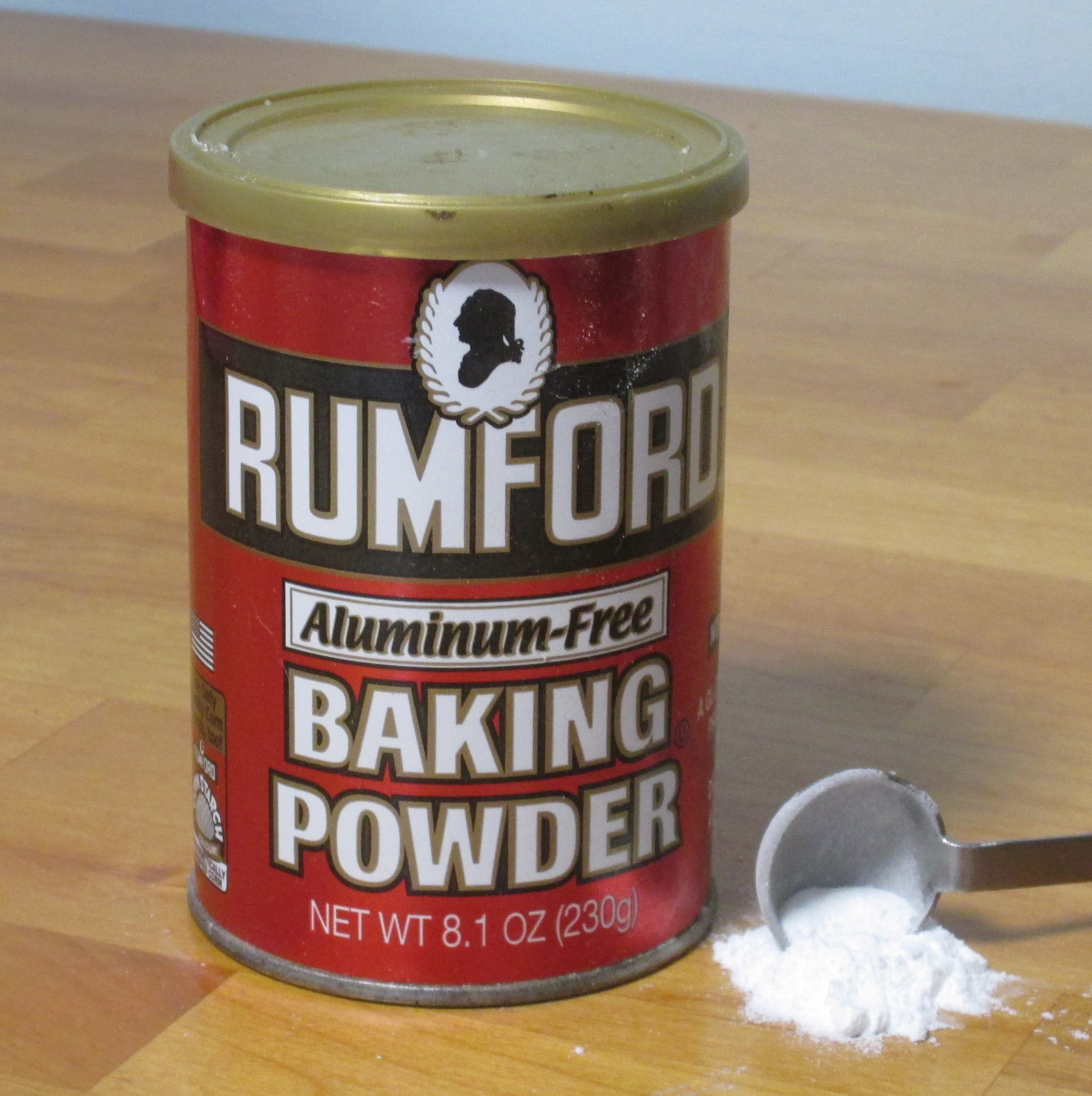
The steps are easy to follow. First, bring a pot of water to a boil. If your drain has a removable stopper, take it out. For particularly stubborn clogs, a drain snake can be used initially to loosen debris. Next, pour half a cup of baking soda directly into the drain, followed by half a cup of salt. After that, add two cups of white distilled vinegar. This combination will immediately begin to bubble vigorously as the baking soda and vinegar react, working to break down the material causing the blockage. The salt acts as an abrasive, helping to scour buildup from the pipe walls.
Once the bubbling subsides, slowly pour several cups of boiling water down the drain. This flush helps push the loosened debris further along and may even trigger another round of bubbling. Finally, run the tap to check if the water flows freely. If drainage improves but a slight blockage remains, the entire process can be repeated. This natural method is reportedly effective for most routine clogs caused by common culprits like hair, soap residue, and general debris found in bathroom sinks, showers, and tubs, typically resolving the issue in about 10 minutes without leaving behind any chemical residue.
The history of managing wastewater and clear drains stretches back to ancient civilizations. The Indus Valley, Egyptians, and Romans developed sophisticated drainage systems with brick-lined channels and expansive sewers to handle waste. Early methods for clearing blockages were largely manual, involving tools like flexible rods and scoops, alongside simple flushing with water. Even then, natural substances such as boiling water and mixtures of baking soda and vinegar were employed, showcasing an early understanding of basic chemistry for household maintenance.
With the Industrial Revolution came the expansion of urban sewer networks and the introduction of more durable piping materials. The 20th century marked significant advancements in drain cleaning technology. Innovations like motorized augers, famously exemplified by Samuel Blanc's Roto-Rooter in 1933, and later, high-pressure water jetting, revolutionized how professionals tackled severe blockages, including invasive tree roots, without extensive excavation. The subsequent development of chemical drain cleaners offered what seemed like a convenient solution for the average homeowner.
However, this convenience came with considerable drawbacks. Commercial drain cleaners often contain highly corrosive and toxic chemicals such as sulfuric acid, hydrochloric acid, or sodium hydroxide, also known as lye. These substances are known to generate intense heat upon contact with water, posing risks of severe burns to skin and eyes, and even eroding tooth enamel if fumes are inhaled. Exposure to these fumes can also lead to respiratory problems, irritation of the eyes, nose, and throat, and can emit volatile organic compounds (VOCs) that may cause headaches, nausea, dizziness, and long-term damage to organs like the liver and kidneys. Accidental ingestion can be fatal.
Beyond immediate health risks, these harsh chemicals threaten plumbing systems. Their corrosive nature can weaken and corrode metal pipes, degrade joint seals, and even warp or soften plastic pipes like PVC due to the heat generated by their chemical reactions. Repeated use can lead to cracks, leaks, and costly repairs or replacements. For homes with septic systems, these chemicals can disrupt the delicate balance of beneficial bacteria crucial for waste breakdown, potentially leading to system failure and expensive fixes. Environmentally, the chemicals can pollute rivers, lakes, and oceans, harming aquatic ecosystems as they are not always fully removed during water treatment processes.
In stark contrast, natural drain cleaning solutions like the baking soda and vinegar method offer numerous advantages. They are non-toxic and chemical-free, making them significantly safer for household use, particularly in homes with children or pets. These eco-friendly options are biodegradable, breaking down easily without leaving harmful residues, which helps protect waterways and ecosystems. Furthermore, natural cleaners are gentler on plumbing systems, preventing the corrosion and damage associated with harsh chemicals, which can extend the lifespan of pipes and reduce the need for costly repairs in the long run.
This shift towards natural alternatives for household maintenance is more than just a trend; it's a conscious choice for healthier living and greater environmental responsibility. While this natural method is highly effective for routine clogs and regular maintenance, it is important to remember that more severe blockages or those caused by structural issues may still require professional plumbing intervention. For everyday annoyances, however, this simple, 10-minute fix provides a powerful, natural solution that benefits both your home and the planet.