Home
Explore
Notifs
Profile

Black-owned · Built for the global diaspora · Curated pins from Black and melanated creators across hair, style, beauty, home, and art.

Formerly Melaninterest.com

m
melanin
AboutHelpTermsPrivacyCommunity GuidelinesCreators

© 2026 Melanin. All rights reserved.

Mmelanin
HomeExploreCreatorsNewsCreate
Ctrl+K
Log inSign up
Mmelanin
HomeExploreCreatorsNewsCreate
Ctrl+K
Log inSign up
Clarence B. Jones, MLK's Right Hand, Dies at 95 — Melanin News | Melanin
Mmelanin
HomeExploreCreatorsNewsCreate
Ctrl+K
Log inSign up
All news
Clarence B. Jones, MLK's Right Hand, Dies at 95Culture

Clarence B. Jones, MLK's Right Hand, Dies at 95

5d ago

America mourns the passing of Clarence B. Jones, a quiet force who stood at the very epicenter of the Civil Rights Movement. The trusted confidant, legal counsel, and strategic advisor to Martin Luther King Jr., Jones died on May 22, 2026, at the age of 95, leaving behind a legacy woven into the fabric of modern American history.

Jones passed away peacefully at an assisted living facility in Cupertino, California, surrounded by his family. His son, Clarence Jr., confirmed the news, with a public statement later released through the Associated Press. His death marks the end of an era for a man whose intellect and dedication helped shape some of the most pivotal moments in the struggle for equality.
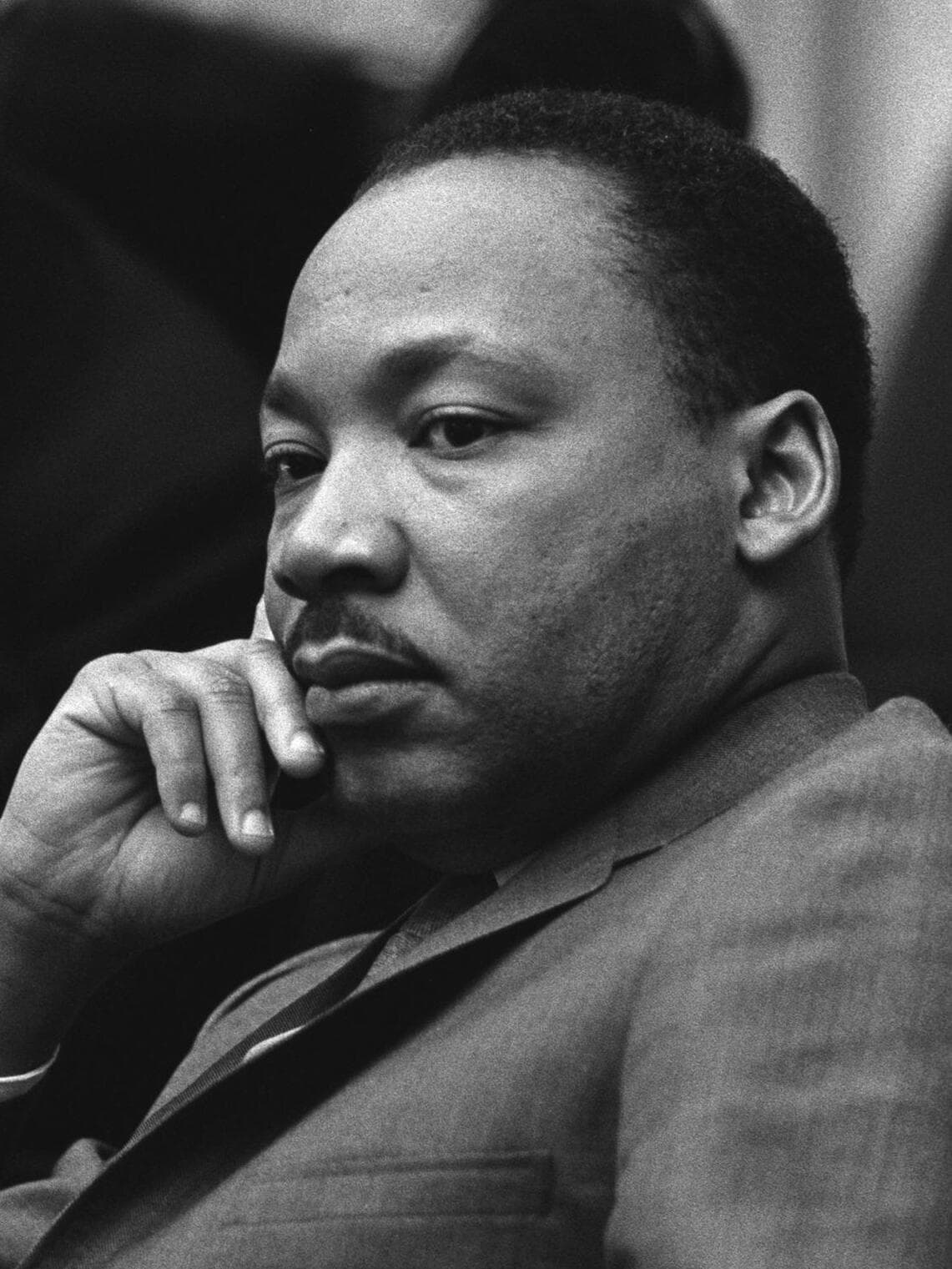
Martin Luther King Jr.
Martin Luther King Jr. Source

For nearly a decade, from 1960 until King’s assassination in 1968, Jones was an indispensable figure by King’s side. He wasn't just a lawyer; he was a political advisor and a key draft speechwriter, playing a direct role in crafting the language that would inspire a nation. His contributions include famously smuggling notes out of King's Birmingham jail cell, which became the foundation for the iconic "Letter from Birmingham Jail," and drafting the initial paragraphs of the legendary "I Have a Dream" speech.

Born Clarence Benjamin Jones on January 8, 1931, in Philadelphia, Pennsylvania, Jones overcame humble beginnings as the son of domestic servants, growing up in a foster home and attending a boarding school before his family settled in Palmyra, New Jersey. His talent for rhetoric was evident early, delivering a powerful graduation speech in 1949 as valedictorian of his integrated high school, speaking on the imperative of breaking racial barriers. He earned his bachelor's from Columbia College in 1953 and later a law degree from Boston University School of Law in 1959, though his college years were interrupted by military service and an "undesirable" discharge, later changed to "honorable," after he refused to sign a loyalty oath amidst FBI scrutiny for alleged ties to a Communist Party front organization.
His path intersected with Dr. King's in 1960 when King enlisted Jones for his legal defense during a tax fraud trial in Alabama, which King ultimately won. This connection solidified, leading Jones and his family to move to New York, where he became a partner at Lubell, Lubell, and Jones. From this vantage point, he served as general counsel for the Gandhi Society for Human Rights, the fundraising arm of the Southern Christian Leadership Conference (SCLC), and advised King on critical matters, even suggesting King write to President John F. Kennedy during the Cuban Missile Crisis.

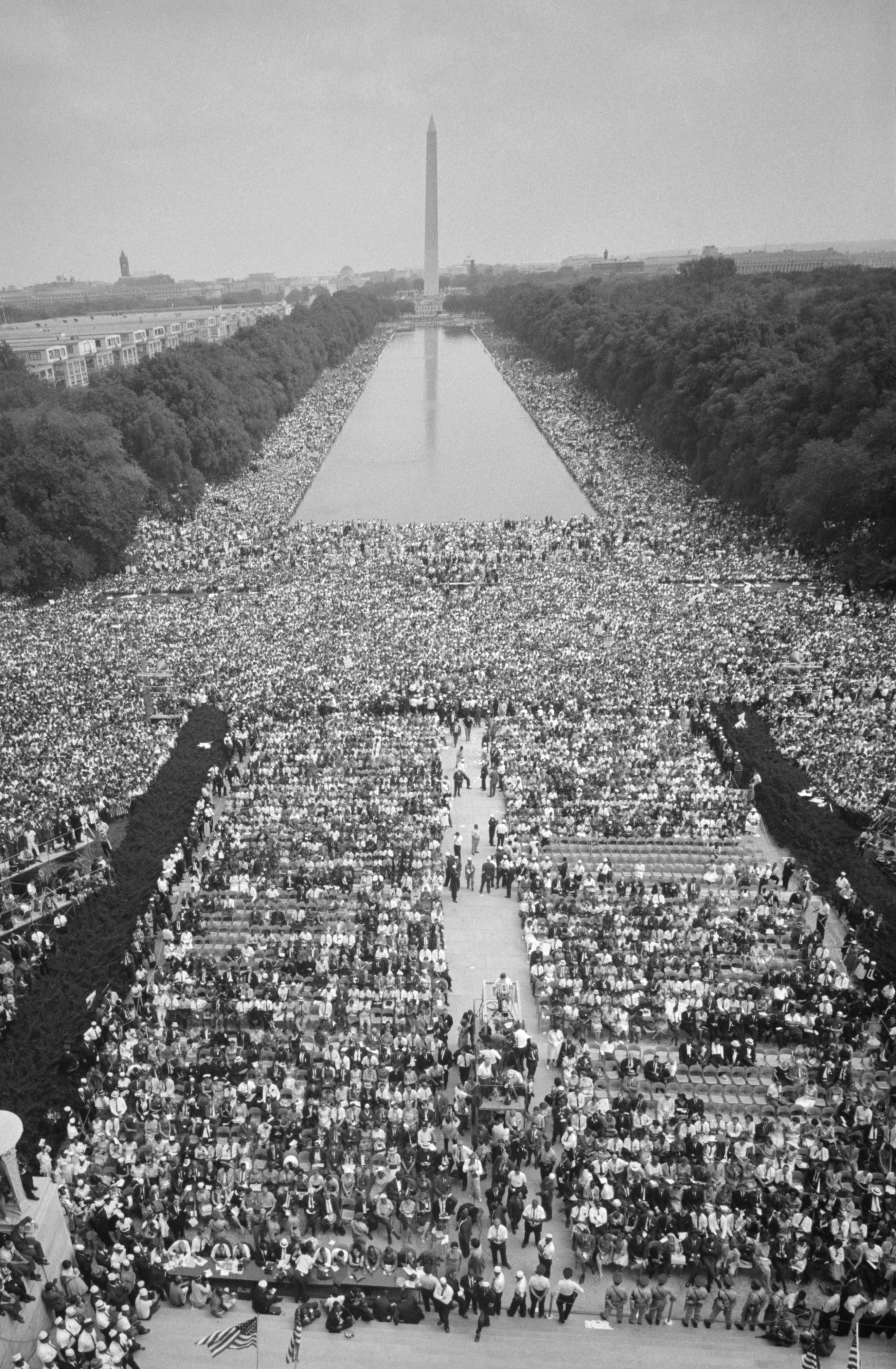
March on Washington
March on Washington Source

Jones’s strategic mind was crucial during the March on Washington for Jobs and Freedom on August 28, 1963. He was on stage when gospel singer Mahalia Jackson's spontaneous plea to "Tell 'em about the dream, Martin!" prompted King to pivot from his prepared text, enhancing the speech with its most memorable improvisational passages. Beyond the speeches, Jones was part of the successful SCLC defense team in the landmark 1964 New York Times v. Sullivan Supreme Court case, which redefined defamation law concerning public figures. He also contributed to King's "Beyond Vietnam" address in 1967 and served as a crucial intermediary between King and other prominent figures like Malcolm X, James Baldwin, and Robert F. Kennedy, all while being a target of illegal FBI wiretaps initiated by J. Edgar Hoover.

Dr. King himself recognized Jones's profound character. In 1962, when recommending Jones to the New York State Bar, King reportedly stated, "Ever since I have known Mr. Jones, I have always seen him as a man of sound judgment, deep insights, and great dedication. I am also convinced that he is a man of great integrity." This endorsement underscored the deep trust and respect shared between the two men.

After King's assassination, Jones's influence continued to manifest across diverse fields. He was a negotiator during the tumultuous 1971 Attica prison riot and served as editor and part-owner of the New York Amsterdam News from 1971 to 1974. Breaking barriers in finance, he became the first African-American allied member of the New York Stock Exchange in 1967, joining Carter, Berlind & Weill. His career also took an unexpected turn into sports, negotiating the legendary "Rumble in the Jungle" boxing match between Muhammad Ali and George Foreman in 1974. He was convicted of defrauding financial clients in 1982, after which he transitioned to a full-time business career.

In his later years, Jones dedicated himself to scholarship and advocacy. He served as a scholar in residence at the Martin Luther King Jr. Institute at Stanford University and co-founded the University of San Francisco Institute for Nonviolence and Social Justice in 2018, ensuring King's and Gandhi's teachings continued to inspire new generations. He authored several books, including What Would Martin Say? (2008), Behind the Dream: The Making of the Speech that Transformed a Nation (2011), and the recent Last of the Lions (2023). His contributions were widely celebrated, earning him honors from President Barack Obama in 2015, the Thurgood Marshall Award in 2021, and the nation's highest civilian honor, the Presidential Medal of Freedom, from President Joe Biden in 2024.

Clarence B. Jones's life was a testament to the power of intellect, advocacy, and unwavering commitment to justice. From the legal battles of the Civil Rights era to his enduring work as a scholar and activist, his impact reverberates, reminding us of the profound difference one dedicated individual can make in the pursuit of a more equitable world. His story is a crucial chapter in the ongoing narrative of Black excellence and American progress.