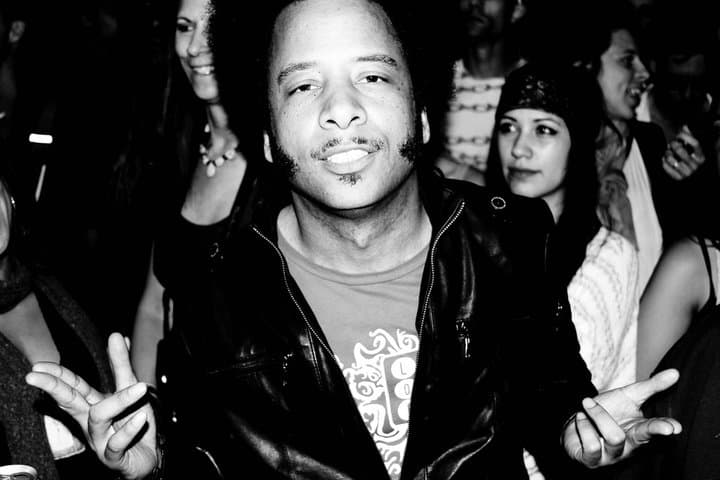
CultureBoots Riley, the visionary behind "Sorry to Bother You," has returned with another audacious cinematic offering: "I Love Boosters." This surreal, genre-bending crime comedy pulls no punches, diving deep into a vibrant critique of status, labor, and the exploitative underbelly of the fashion industry.
The film made its debut at the South by Southwest Film & TV Festival on March 12, 2026, before hitting theaters across the United States on May 22, 2026, distributed by Neon. International audiences will see the film through Focus Features and Universal Pictures. Produced with a $20 million budget, financed by Neon and Waypoint Entertainment, the project was reportedly shot quietly, wrapping production in November 2024.

The narrative unfolds in a distorted, almost dreamlike version of the San Francisco Bay Area, centering on a crew of highly skilled professional shoplifters known as the "Velvet Gang." At the helm is Corvette, portrayed by Keke Palmer, an aspiring fashion designer who finds herself squatting in an abandoned chicken restaurant, constantly battling creditors. Her initial hopes of breaking into the industry, even briefly taking a job at a Metro Design store and submitting her own creations, are quickly shattered by the stark reality of the industry's exploitative practices—particularly its treatment of underpaid labor and its tendency to pilfer creative concepts.
Corvette's disillusionment fuels the gang's operations. Alongside Sade, played by Naomi Ackie, and Mariah, brought to life by Taylour Paige, the Velvet Gang targets luxury clothing from Metro Design, a ubiquitous fast-fashion chain run by the ruthless fashion mogul Christie Smith, played by Demi Moore. The stolen goods aren't hoarded; they're resold to the community at a third of the retail price, providing affordable fashion and a means for the gang members to survive.
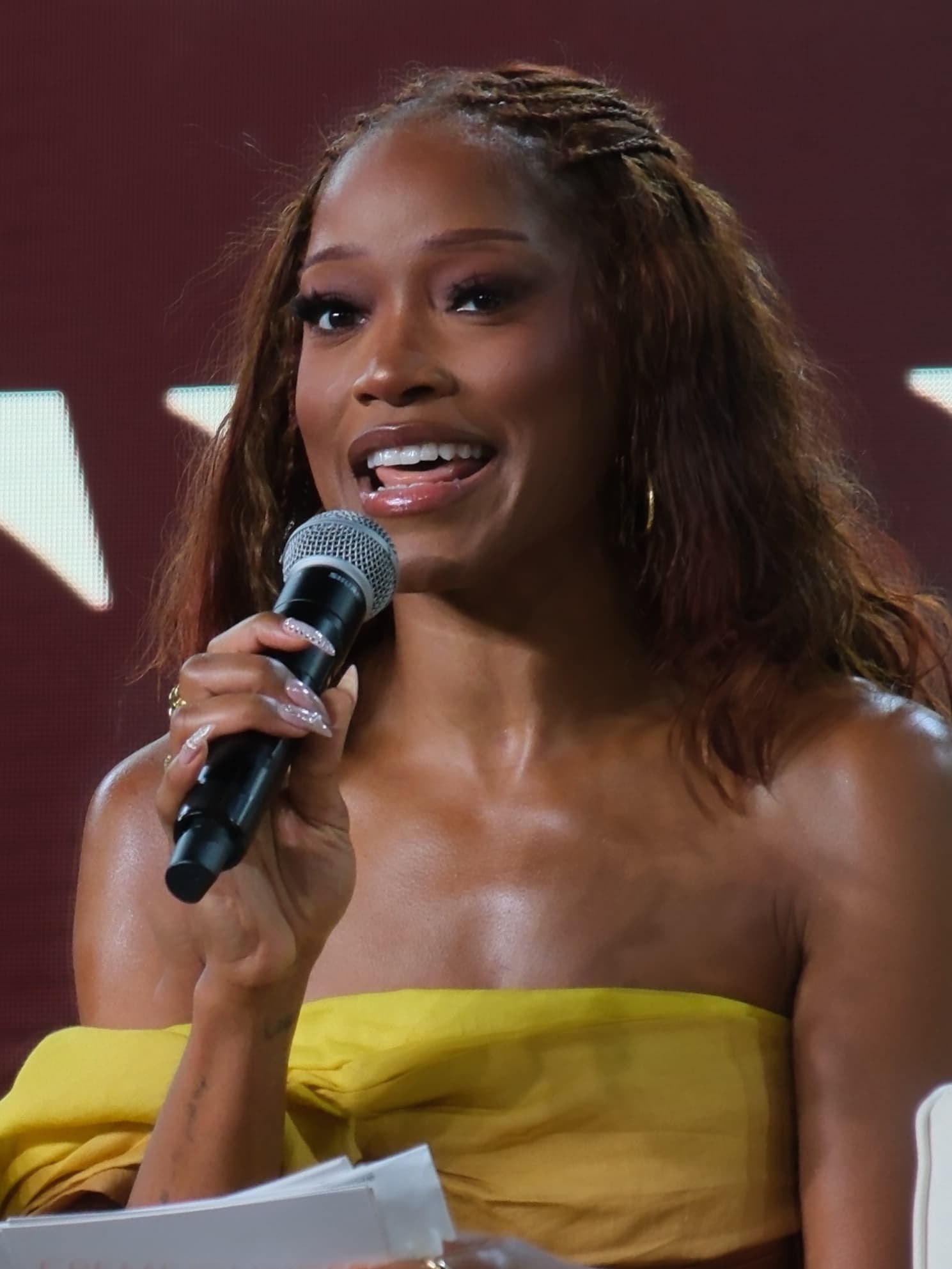
The stakes escalate with the arrival of Jianhu, a Chinese factory worker portrayed by Poppy Liu. Jianhu lands in the Bay Area armed with a mysterious "magic bag"—a sci-fi device capable of teleporting and transforming objects. Driven by a personal vendetta against Christie Smith and Metro Design for their history of exploited labor, Jianhu becomes the fourth member of the Velvet Gang. This new alliance leads to increasingly elaborate and often absurd robberies, characterized by intricate subterfuge and a series of ridiculous bespoke costumes.

Beyond the core trio and Jianhu, the film features a diverse cast of characters who weave into the narrative's social fabric. Eiza González appears as Violeta, a revolutionary figure actively working to organize a union among Metro Design workers, offering a different pathway to resistance against corporate power. LaKeith Stanfield takes on the role of an enigmatic stranger, while Will Poulter plays Grayson, a fussy store manager. Don Cheadle portrays Dr. Jack, the charismatic leader of a pyramid scheme called "Friends Being Friendly," which ensnares Sade.
Boots Riley, a self-identified communist and activist, has built a career on politically charged and surreal storytelling. His artistic vision is deeply informed by his background as the frontman of the influential political hip-hop group The Coup, which he formed in 1991. Themes of class struggle, labor rights, and resistance have been a consistent thread throughout his work, from the critically acclaimed 2018 absurdist anti-capitalist satire "Sorry to Bother You" to the 2023 Prime Video series "I'm a Virgo," which similarly blended political commentary with a unique, absurdist narrative style. "I Love Boosters" itself draws inspiration from a song of the same name featured on The Coup's 2006 album, *Pick a Bigger Weapon*.
Public reception to "I Love Boosters" has largely celebrated Riley's bold filmmaking and his unwavering commitment to his political message. Reports indicate the film garnered generally positive reviews from critics. On Rotten Tomatoes, a significant 92% of 99 critics gave positive reviews, resulting in an average rating of 7.40 out of 10. The website's consensus praised it as "A raucous capitalist critique, I Love Boosters careens through the carefully-controlled chaos of writer-director Boots Riley's imagination to deliver a comedy that's as funny as it is thought-provoking." Metacritic assigned the film a score of 70 out of 100, based on 31 critics, indicating "generally favorable" reviews. Critics often lauded the film's distinctive vision, vibrant aesthetic, and its ability to convey a sharp message despite its frequently chaotic and surreal elements. Some acknowledged that while its ambition occasionally outpaced its execution, the sheer creativity and incisive messaging made it a memorable experience.
Riley himself has been vocal about his intentions for the film. He stated, "I want to make a film that hopefully inspires people to get involved…" Addressing potential criticisms of his style, he remarked, "No matter how didactic they say my stuff is, let them accuse it of not being fun." He further elaborated on his creative philosophy, emphasizing, "The style and content are inextricably linked." Riley also offered a provocative perspective on the film's central theme of theft, asserting, "Theft is not outside of capitalism; it's what capitalism was built on – and not even, like, metaphorically." The film's score, composed and performed by Tune-Yards, was released on May 22, 2026, with an original soundtrack EP by Riley and Palmer dropping earlier, on May 8, 2026.
"I Love Boosters" continues Riley's compelling cinematic exploration of systemic inequalities and the transformative potential of collective action. Much like his previous projects, the film employs absurdist humor and surreal elements to shine a light on the dystopian realities of life under capitalism, particularly focusing on the pervasive issues of labor exploitation and consumer culture. Riley's films are consistently and unapologetically political, crafted to evoke emotional and visceral responses, ultimately encouraging audiences to critically examine and consider alternative societal structures.
Prior to its widespread release, Riley underscored the critical importance of the film's box office performance. He stated, “We need this to be big when it comes out… This is going to be wide, at least 2,500 theaters on day one. What that means is it's make it or break it.” This sentiment highlights the ongoing challenges faced by politically charged independent films in securing a broad audience within the mainstream film industry, making the film's reception a crucial benchmark for future projects of its kind.