CultureBaltimore found itself on high alert on Wednesday, May 20, 2026, as a severe thunderstorm watch descended upon the metropolitan area and northeast Maryland. This alert signaled a volatile end to a grueling spring heat wave that had settled over the region for days, with meteorologists predicting a narrow but intense window of dangerous weather.
The National Weather Service (NWS) issued Severe Thunderstorm Watch 234, effective from 12:39 p.m. EDT until 8 p.m. EDT. The watch encompassed a wide swath of territory, including 13 counties in Maryland: Allegany, Anne Arundel, Baltimore, Baltimore City, Carroll, Cecil, Frederick, Garrett, Harford, Howard, Montgomery, Prince George's, and Washington. The alert also extended to parts of the District of Columbia, Pennsylvania, Virginia, and West Virginia, indicating a regional impact from the impending weather system. The most threatening conditions were expected between 3 p.m. and 9 p.m. EDT, particularly for communities situated along and northwest of Interstate 95.

This severe weather event followed a prolonged period of oppressive heat that had gripped Maryland. On both Monday and Tuesday, May 18 and 19, 2026, temperatures soared into the upper 90s, nearing historic highs for the spring season. Wednesday, May 20, was anticipated to be the final day of this intense heat, with afternoon temperatures projected to approach or potentially tie the longstanding record of 95 degrees, a mark first established in 1962. Adding to the discomfort, humidity levels were expected to push the heat index in some areas perilously close to the triple-digit threshold before the storms made their arrival.
The anticipated storms brought with them a host of significant threats beyond typical thunder and lightning. Forecasters warned of damaging wind gusts, torrential downpours, and significantly reduced visibility. Reports specifically mentioned the possibility of hail, with isolated quarter-sized hail and scattered wind gusts up to 70 mph being a primary concern. Such conditions posed a clear risk to property and public safety, prompting local weather teams to issue special alerts.
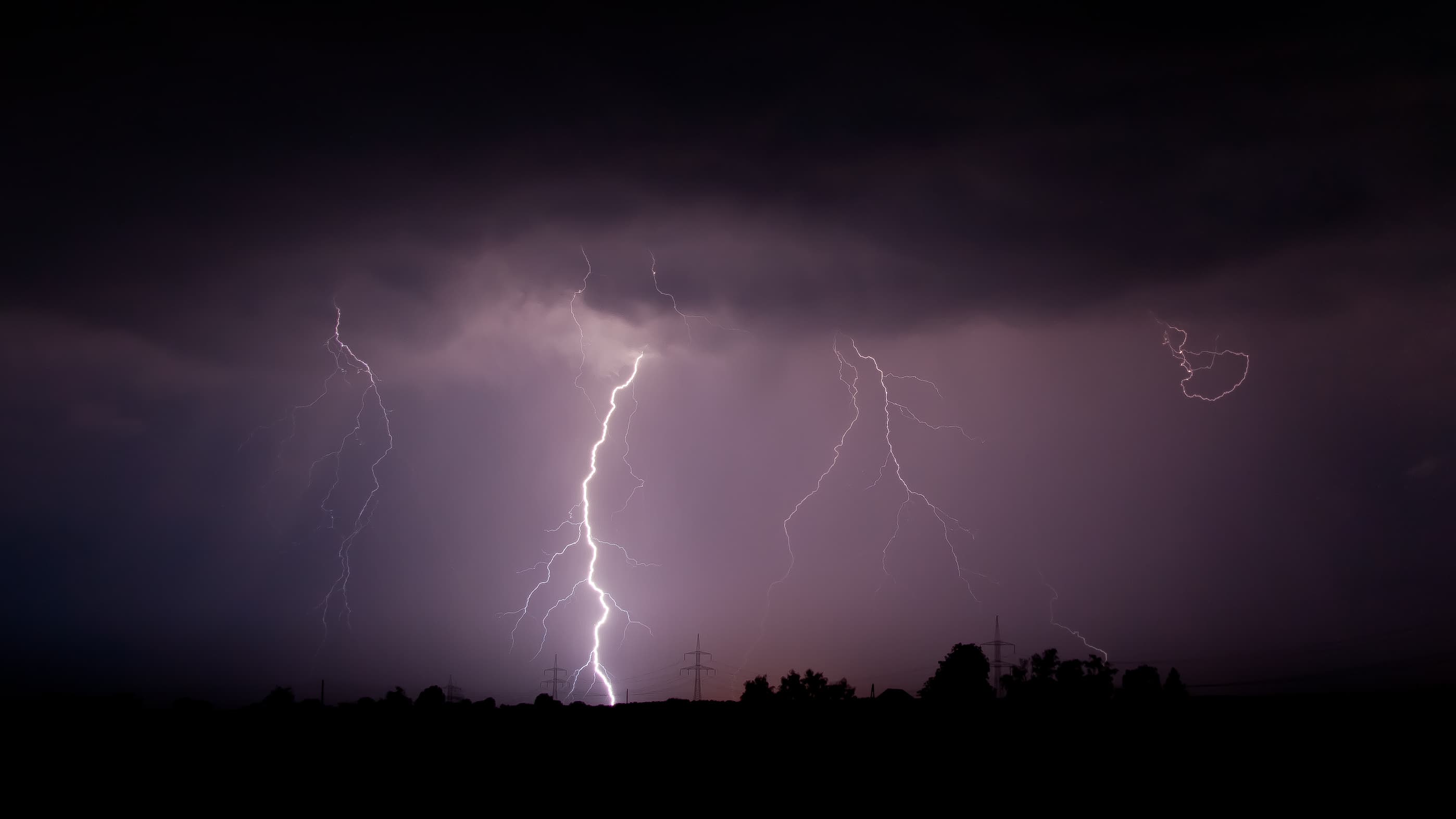
Jeremy Geiger, a meteorologist for the National Weather Service's Baltimore/Washington office, commented on the atmospheric dynamics at play, stating that the strong cold front colliding with the existing warm, humid conditions "could produce severe thunderstorms after 5 p.m." The WJZ First Alert Weather Team, a local news outlet, issued a "WJZ First Alert Weather Day" in response to the scattered strong to severe storms, underscoring the potential impact on the evening commute and any planned evening activities across the affected areas.

Beyond breaking the stifling heat, the impending rainfall was deemed crucial for the region. Jeremy Geiger highlighted this necessity, remarking, "Which we need, considering the lack of rain we've had over the past couple of months." This statement underscored the severe drought conditions that had been affecting nearly all of Maryland, prompting the Baltimore Department of Public Works to request residents to conserve water in the preceding weeks. Additionally, an Air Quality Alert (Code ORANGE) had been in effect for Northeast Maryland on Tuesday, May 19, 2026, due to elevated air pollution concentrations, indicating a broader pattern of challenging environmental conditions leading up to the thunderstorms.
In preparation for the severe weather, American Airlines issued a travel alert for the Northeast U.S., which included Baltimore/Washington International Thurgood Marshall Airport (BWI), for travel scheduled on May 20, 2026. This alert offered flexibility to passengers who had purchased tickets by May 19, 2026, allowing them to change their flights without incurring a fee. The condition for this waiver was that travel had to be rebooked between May 20 and May 23, 2026, without altering the original origin or destination city and remaining in the same cabin class.
Looking beyond the immediate threat, the severe weather was expected to usher in a significant and welcome change in the forecast. Much cooler and rainier weather was anticipated to persist through the upcoming Memorial Day weekend, with temperatures projected to drop into the 50s and 60s from Thursday through Sunday. Showers were also likely to extend into early the following week. This prolonged period of precipitation was expected to offer substantial relief from the prevailing drought conditions, marking a dramatic shift from the record-setting heat that had defined the preceding days.